
Plants
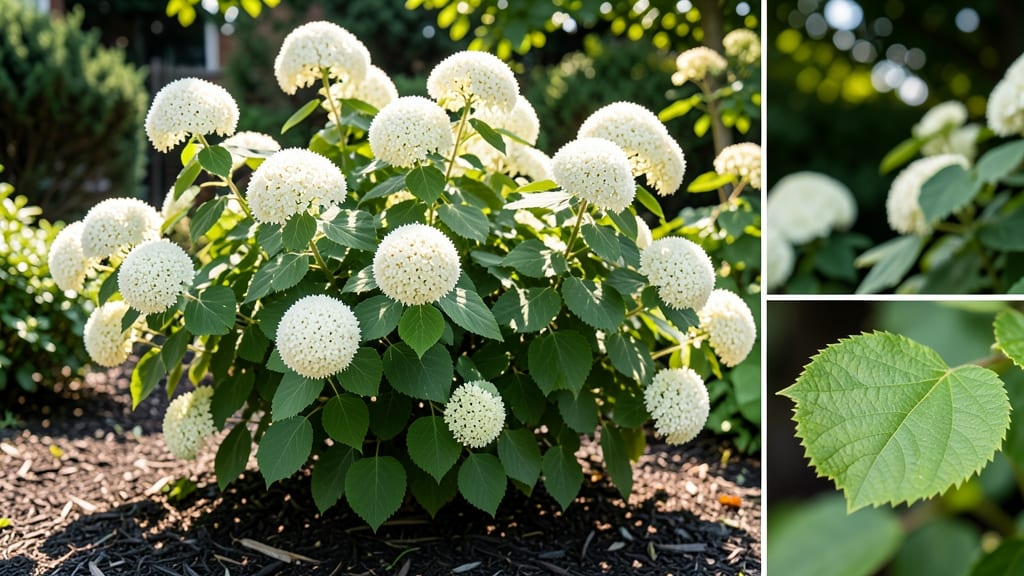
Your snowball bush leaves stay lush and vibrant all year when you focus on just three key habits—watering, feeding, and occasional pruning. 🌿 I’ve had mine stand tall for 15+ years with almost no maintenance, and the secret isn’t complicated: healthy leaves mean healthy growth, and healthy growth means that signature privacy hedge you planted for.
Start with well-draining soil and water deeply once a week during dry spells—never let the roots sit in soggy soil. A springtime dose of balanced fertilizer keeps the foliage thick, and a light pruning in late winter removes dead branches before new growth starts.
The result? Glossy, dark green leaves that block views without needing constant trimming.
📚 In This Guide
- What you need
- Instructions
- Tips and common mistakes
- Wrapping up and next steps
What you need
- ● Snowball bush (Viburnum opulus) plants: 1–3 mature plants (depending on desired shrub size and spacing)
- ● Note: Choose nursery-grown specimens with healthy, vibrant foliage and sturdy stems.
- ● High-quality potting soil or garden loam: 5–10 gallons (for planting 1–3 shrubs)
- ○ Optional boost: Mix in 1–2 cups of compost or organic matter for nutrient-rich soil.
- ● Organic mulch (e.g., shredded bark or pine straw): 2–3 cubic feet (spread 2–3 inches around the base of each plant)
- ● Garden trowel or spade: For digging holes (12–18 inches wide/deep per plant).
- ● Pruning shears or loppers: Sharp, clean tools for trimming (sterilize with rubbing alcohol if reusing).
- ● Gloves (gardening or work gloves): To protect hands from thorns and dirt.
- ● Watering can or hose with a gentle spray nozzle: For post-planting hydration.
- ● Measuring tape or ruler: To ensure proper spacing (6–10 feet apart for mature shrubs).
- ● Slow-release fertilizer (e.g., 10-10-10): 1–2 tablespoons per plant at planting time.
- ● Plant food or liquid fertilizer: For a mid-season nutrient boost (follow package instructions).
- ● Epsom salt (magnesium sulfate): 1 tablespoon dissolved in water for green, vibrant leaves (apply every 4–6 weeks).
- ● Thorn-proof barrier (e.g., heavy-duty fabric): If planting near high-traffic areas.
How to maintain healthy snowball bush leaves for year-round privacy
Here's how I keep my snowball bushes lush and full with almost no pruning work.
🌿 Step 1: Select the Right Planting Location
Snowball bushes thrive in full sun to partial shade—at least 6 hours of sunlight daily. I always plant mine where they’ll get morning sun and afternoon shade, especially in hotter climates. This prevents leaf scorch while keeping the foliage dense.
Their natural growth habit creates a thick, rounded canopy that naturally blocks views. Choose a spot where they’ll have 6-8 feet of space to spread—this ensures they fill in completely without needing aggressive pruning. If planting near a fence or wall, position them 3-4 feet away to allow airflow and prevent fungal issues.
💧 Step 2: Water Deeply and Establish a Routine
Water newly planted snowball bushes deeply once a week for the first year, ensuring the soil is moist 6 inches down**. After that, they’re quite drought-tolerant, but I still water during prolonged dry spells to keep leaves vibrant. You’ll know they need water when the top 2 inches of soil feel dry.
Avoid overhead watering, which can promote fungal diseases like powdery mildew. Instead, water at the base of the plant early in the morning. Mulch around the base with 2-3 inches of organic mulch to retain moisture and regulate soil temperature. This also suppresses weeds, which compete for nutrients and stress the plant.
✂️ Step 3: Prune Strategically for Fullness and Shape
Snowball bushes need minimal pruning, but a little effort goes a long way. The best time to prune is right after they finish blooming in late spring or early summer. Remove any dead, diseased, or crossing branches first—this keeps the plant healthy and encourages new growth.
To maintain a full, rounded shape, I trim back any leggy branches by one-third their length. This stimulates bushier growth and prevents the plant from becoming too sparse. Avoid heavy pruning in late summer or fall, as this can reduce next year’s flower production. You’ll see new leaves filling in within a few weeks of pruning.
☀️ Step 4: Fertilize for Lush, Dense Foliage
Feed your snowball bush in early spring with a balanced, slow-release fertilizer (like 10-10-10) to support new growth. I apply about ½ cup per plant and water it in well. This gives the plant the nutrients it needs to produce thick, healthy leaves that create that signature privacy screen.
Avoid over-fertilizing, which can lead to excessive leaf growth at the expense of flowers. If you notice the leaves turning yellow or the plant growing too fast, cut back on fertilizer and focus on watering deeply instead. The goal is strong, vibrant leaves—not just rapid growth.
🌱 Step 5: Protect Leaves in Harsh Weather
Snowball bushes are hardy, but their leaves can suffer in extreme conditions. If you’re in a region with heavy snow, gently brush snow off the branches to prevent breakage. In hot, dry climates, provide afternoon shade during peak summer months to prevent leaf scorch.
If you notice leaves curling or browning, it’s often a sign of stress from either too much sun or not enough water. Adjust your care routine accordingly—move the plant if needed or increase watering frequency. With the right conditions, your snowball bush will maintain its lush, full leaves year-round, giving you that perfect privacy screen with minimal effort.
Tips & tricks for perfect snowball bush leaf care
Here’s what nobody tells you about keeping those lush leaves looking their best all year—without the fuss.
Location is Everything: That 6 hours of sunlight in Step 1 is non-negotiable for vibrant leaves. If your yard has intense afternoon sun, position the bush where it gets morning light and afternoon shade. I’ve seen leaves scorch within weeks when planted in full sun—trust me, it’s not pretty. Also, if planting near a fence, keep it 3-4 feet away to prevent fungal issues from poor airflow.
Watering Wisdom: The once-a-week deep watering for the first year is critical—it encourages strong root growth. After that, let the top 2 inches of soil dry out before watering again. Overhead watering? Big no. It spreads fungal spores like powdery mildew. Instead, water at the base early in the morning so leaves dry quickly. Pro tip: A 2-3 inch layer of organic mulch keeps moisture in and weeds out—it’s like a built-in moisture blanket.
Pruning Like a Pro: When you trim those leggy branches by one-third in Step 3, you’re not just shaping the plant—you’re telling it to grow bushier. I always prune right after blooming because that’s when the plant is most resilient. And skip the heavy cuts in late summer or fall—you’ll sacrifice next year’s flowers. Within weeks, you’ll see fresh leaves filling in those gaps like magic.
Fertilizer Finesse: That ½ cup of 10-10-10 fertilizer in early spring is your secret weapon for dense foliage. But here’s the catch: If your leaves start yellowing or the plant grows too fast, you’ve overdone it. Cut back on fertilizer and focus on deep watering instead. The goal is strong leaves, not a jungle of weak growth. Think of it like feeding your bush a balanced diet—not junk food.
Pro Tips for Snowball Bush Leaves
- Here’s what nobody tells you about keeping those lush leaves looking their best all year—without the fuss.
- Location is Everything: That 6 hours of sunlight in Step 1 is non-negotiable for vibrant leaves.
- Watering Wisdom: The once-a-week deep watering for the first year is critical—it encourages strong root growth.
Frequently asked questions
Got questions about keeping your Viburnum opulus (snowball bush) lush and private? Here are answers to the most common ones!
Why are my snowball bush leaves turning yellow or brown?
Yellowing or brown leaves are often caused by overwatering or nutrient deficiencies. Check soil moisture—it should be evenly moist but not soggy. A balanced fertilizer in early spring can also help. If spots appear, fungal issues may be at play; prune affected branches and improve airflow.
How fast does a snowball bush grow, and when can I expect privacy?
Snowball bushes grow 12–24 inches per year, so expect noticeable height in 3–5 years. For full privacy (6–8 feet tall), plan for 5–7 years of growth. Fast-track results by planting multiple bushes in a staggered row or pairing with taller shrubs like arborvitae.
Do I really need to prune snowball bushes, or can I skip it?
You can skip pruning for years, but light shaping in late winter or early spring keeps the bush dense and flowering. Remove dead, crossing, or overcrowded branches to encourage new growth. Avoid heavy pruning after summer—it can reduce next year’s blooms!
What are the best alternatives if my snowball bush struggles in my climate?
If your area has hot summers or poor drainage, try these hardy privacy shrubs:
- Oakleaf Hydrangea – Loves shade, vibrant foliage.
- Boxwood – Slow-growing, evergreen, and drought-tolerant.
- Cherry Laurel – Fast-growing, glossy leaves, and deer-resistant.
- Japanese Holly – Spiky, dense, and thrives in partial sun.
Are snowball bushes deer-resistant, or will they get munched?
Unfortunately, deer love snowball bushes! While not their favorite, they’ll nibble if hungry. Protect young plants with deer repellent sprays or physical barriers (like fencing). Mature bushes are less tempting, but keep an eye out for chewed leaves in spring.
Wrapping up and next steps
Transforming your outdoor space with snowball bush leaves is a game-changer—offering lush, year-round privacy while keeping maintenance simple! 🌿 Whether you're a gardening pro or a beginner, this low-maintenance beauty delivers stunning visuals with minimal effort. Ready to elevate your garden?
🌱 Your Next Step: Plant & Enjoy!
Start by selecting the perfect spot, gathering your supplies, and following the care tips shared above. Before you know it, you’ll be basking in the serene, evergreen charm of your snowball bush. Happy planting! 🌟