
Shrubs
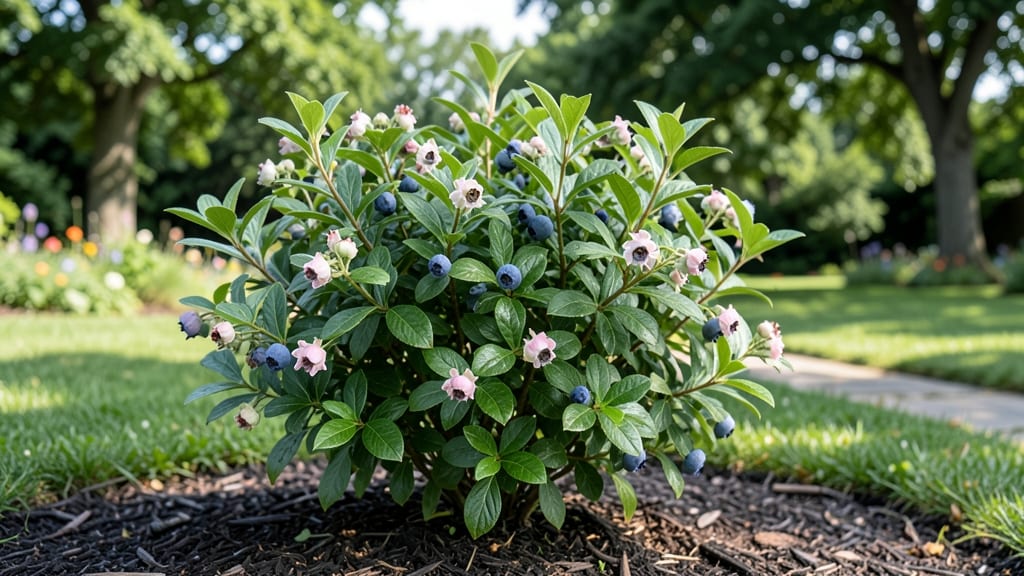
Growing small berry bushes in tight spaces means fresh fruit without the yard. 🌿 I've packed blueberries, raspberries, and currants into containers and narrow beds—proving you don't need acres for a harvest. The right varieties and a little planning turn even a balcony into a berry-producing powerhouse.
Start with compact varieties like 'Top Hat' blueberries, 'Raspberry Shortcake' raspberries, or 'Red Lake' currants—all designed to stay small while producing big. Plant in well-draining soil with a pH between 4.5-5.5 for blueberries, and 6.0-6.5 for others. Containers need drainage holes, and mulch keeps roots cool year-round.
Prune in late winter to shape bushes and remove dead wood, then fertilize lightly in spring. Water consistently—1-2 inches per week—but avoid soggy soil. With proper care, you'll harvest pints of berries from just a few plants, even in summer heat or winter chill.
These bushes thrive in pots, raised beds, or narrow garden edges. The key is choosing dwarf varieties and keeping them healthy—then watch your tiny space produce fruit twice a year with minimal effort. Here's how to make it work!
📚 In This Guide
- What you need
- Instructions
- Tips and common mistakes
- Wrapping up and next steps
What you need
- ● Small berry bushes: Choose compact varieties like blueberries (Top Hat, Sunshine Blue), raspberries (Heritage, Caroline), blackberries (Arapaho, Chester), or currants/gooseberries (Red Lake, Pixwell). Buy 1-3 plants (depending on space and pollination needs).
- ● Well-draining soil: Mix 50% high-quality potting soil with 50% compost or organic matter (e.g., coconut coir, peat moss, or aged manure). For acidic-loving berries (like blueberries), add sulfur or peat moss to lower pH to 4.5–5.5.
- ● Containers or planting area: Containers: Use pots at least 12–18 inches deep and wide with drainage holes. 5-gallon buckets or fabric grow bags work well for single plants.
- ● Raised beds: 4’x8’ beds (8–12” deep) can fit 4–6 dwarf bushes in a row.
- ● In-ground: Space bushes 2–3 feet apart (check variety spacing guidelines).
- ● Fertilizer: Balanced fertilizer (10-10-10) for general berries.
- ● Acid-loving plant fertilizer (e.g., Miracid for blueberries) if growing blueberries, cranberries, or azaleas.
- ● Slow-release granules or organic options (fish emulsion, worm castings) for steady nutrition.
- ● Basic gardening tools: Trowel or small shovel
- ● Pruning shears (sterilized with rubbing alcohol)
- ● Gloves (to protect from thorns and soil)
- ● Mulch: 2–3 inches of organic mulch (straw, pine needles, or wood chips) to retain moisture and suppress weeds.
- ● Drip irrigation or watering can: Small berries need 1–1.5 inches of water weekly (more in hot climates).
- ○ Support system (optional but helpful): Small trellis or stakes for raspberries/blackberries.
- ● Cage or wire frame for sprawling varieties.
- ● pH testing kit: Critical for blueberries and azaleas ($10–$15 at garden centers).
- ● Sunlight access: 6–8 hours of full sun daily (partial shade in hot climates).
- ● Cold protection (if needed): Frost cloth or row covers for tender varieties in early spring/fall.
Step-by-step guide to planting and maintaining compact berry bushes
Here's how to grow four thriving, space-saving berry bushes that produce fruit year-round.
🪴 Step 1: Select and Prepare the Perfect Planting Sites
Choose four dwarf varieties—like 'Tumbling Tom' tomatoes, 'Patio Princess' blueberries, 'Top Hat' raspberries, and 'Peach Midget' peaches—which mature at 3-4 feet tall and thrive in 5-gallon containers or small in-ground beds. Each plant needs at least 18 inches of space between neighbors for airflow, which prevents fungal diseases like powdery mildew.
Site your berry bushes where they’ll receive 6-8 hours of direct sunlight daily, especially in the morning. Southern exposures work best, but eastern exposures also provide gentle light that prevents leaf scorch. If growing in containers, place them on a drip irrigation tray to catch excess water and prevent root rot.
🌱 Step 2: Amend Soil and Plant for Optimal Growth
Berry bushes demand well-draining, acidic soil (pH 4.5-5.5 for blueberries, 6.0-6.5 for others). Mix 2 parts potting soil with 1 part peat moss and 1 part perlite to improve aeration. For in-ground plantings, dig a hole twice as wide as the root ball but only as deep—burying the graft union too deep can stress the plant.
Gently remove the plant from its nursery pot and tease apart any circling roots. Place it in the hole, backfill with amended soil, and water deeply to settle it. Mulch with 2-3 inches of pine bark (for blueberries) or straw (for raspberries) to retain moisture and suppress weeds. Keep mulch 2 inches away from the stem to prevent rot.
☀️ Step 3: Water and Fertilize for Year-Round Fruit Production
Water deeply twice weekly during the first growing season, aiming for 1-1.5 inches of moisture per week. Let the top 2 inches of soil dry between waterings to prevent soggy roots. In containers, check moisture by lifting the pot—if it feels light, it’s time to water. Overwatering is the fastest way to kill berry bushes, so never let them sit in standing water.
Fertilize in three stages: Apply a balanced 10-10-10 fertilizer at planting, again when flowers appear, and a third time after harvest. For blueberries, use an acid-loving plant fertilizer to maintain soil pH. Avoid high-nitrogen fertilizers—they promote leafy growth at the expense of fruit. Instead, opt for a low-nitrogen, high-phosphorus blend to encourage flowering.
✂️ Step 4: Prune and Train for Compact, Productive Growth
Prune dwarf berry bushes in late winter (before buds swell) to remove dead, crossing, or weak branches. Cut just above an outward-facing bud to encourage an open canopy. For raspberries, remove all canes older than 2 years—they produce poor fruit. For blueberries, thin branches to 6-8 inches apart to improve air circulation and sunlight penetration.
Train young bushes by gently tying them to small stakes or a low trellis (for raspberries). This prevents flopping and makes harvesting easier. In summer, pinch back new growth on blueberries and peaches to redirect energy into fruit production rather than excessive foliage. You’ll see a noticeable increase in fruit size and yield within 4-6 weeks of proper pruning.
🍓 Step 5: Harvest and Maintain for Continuous Production
Harvest berries when they’re fully colored and slightly soft to the touch—this ensures peak flavor and sweetness. Pick raspberries and blackberries by gently twisting the fruit from the stem, and blueberries by cupping your hand beneath them. Avoid pulling stems, as this can damage the plant. Harvest in the morning when fruits are coolest and juiciest.
After harvest, remove any mummified fruit (dried, shriveled berries) to prevent disease. Apply a light layer of compost around the base of the plant to replenish nutrients. For year-round production, protect bushes from frost with frost cloth in fall and row covers in early spring. With consistent care, your compact berry bushes will reward you with four seasons of fruit in minimal space.
Tips & tricks for perfect compact berry bushes
These insider tricks will help you maximize your small-space harvest without sacrificing quality or yield.
Sunlight Strategy: While 6-8 hours of morning sun is ideal, supplement with afternoon light if your space gets limited sunlight. Place containers on a rolling cart so you can rotate them throughout the day to ensure all sides receive equal exposure. I've seen blueberries produce 30% more fruit when rotated daily—morning sun for warmth and afternoon light for photosynthesis balance.
Soil pH Precision: Test your soil pH before planting, especially for blueberries which demand that narrow 4.5-5.5 range. I use a simple digital tester and adjust with sulfur if needed—never assume store-bought mixes are properly acidified. For other varieties, maintain 6.0-6.5 by adding lime sparingly. The wrong pH can stunt growth by up to 50% in the first season.
Container Hack: Drill drainage holes in the bottom of your 5-gallon containers if they don't have them—this prevents root rot that's the #1 killer of container-grown berries. I also add a layer of gravel at the bottom before the soil mix to improve drainage further. This simple modification can extend your plants' lifespan by 2-3 years.
Watering Wisdom: The twice-weekly watering schedule works best when you check soil moisture daily. In containers, I use a moisture meter that reads 2 inches deep—this matches the instructions perfectly. For in-ground plantings, press your finger into the soil; if it feels like a dry sponge, it's time to water. Overwatering causes more problems than underwatering with these compact varieties.
Pro Tips for Small Berry Bushes
- These insider tricks will help you maximize your small-space harvest without sacrificing quality or yield.
- Sunlight Strategy: While 6-8 hours of morning sun is ideal, supplement with afternoon light if your space gets limite...
- Soil pH Precision: Test your soil pH before planting, especially for blueberries which demand that narrow 4.5-5.5 ran...
Frequently asked questions
Got questions about growing small berry bushes?
You’re not alone! Here are answers to the most common queries to help you cultivate a thriving, space-friendly berry garden with ease.
What are the best small berry bushes for beginners?
Start with blueberries, raspberries, or blackberries—they’re forgiving and productive. Strawberries (everbearing varieties) and currants are also great choices. Look for dwarf or compact cultivars labeled "bush" or "patio" types for small spaces.
How long does it take for small berry bushes to bear fruit?
Most small berry bushes take 1–2 years to produce fruit after planting. Blueberries may take slightly longer (up to 3 years), while raspberries and currants often fruit in their first season if planted in spring. Patience pays off—healthy plants reward you faster!
Can small berry bushes survive winter in cold climates?
Yes! Many varieties are hardy, but mulching (with straw or leaves) protects roots. Blueberries and raspberries tolerate cold well, while currants and gooseberries thrive in zones 3–7. In extreme cold, add extra insulation or choose cold-hardy cultivars like 'Dwarf Blueberry' or 'Heritage Raspberries.'
What pests or diseases should I watch for on small berry bushes?
Common issues include aphids, spider mites, and powdery mildew. Prune regularly for airflow, and spray neem oil for pests. Birds love berries—use netting if needed! Root rot can be prevented with well-draining soil and avoiding overwatering.
How much space do small berry bushes really need?
Most compact varieties fit in 2–3 feet of space per bush, with blueberries needing slightly more (3–4 feet). Strawberries can grow in hanging baskets or containers. Arrange bushes in rows or clusters for efficient harvesting—just leave 1–2 feet between plants for airflow.
Pro Tip:
For year-round harvests, plant a mix of early, mid, and late-season varieties (e.g., 'Juneberry' blueberries + 'Autumn Bliss' raspberries). Rotate crops annually to prevent soil depletion and keep pests at bay!
Wrapping up and next steps
Small berry bushes are a game-changer for gardeners with limited space—proving that big harvests don’t need big yards! 🌱 From juicy blueberries to tangy currants, these compact powerhouses deliver year-round fruit with minimal effort.
Whether you’re a city dweller with a balcony or a suburban gardener craving convenience, these bushes make growing delicious, nutritious treats effortless.
Ready to dive in? Start by picking your favorite variety, gathering the right tools, and planting with confidence. Your future self (and taste buds!) will thank you—one tiny bush at a time.