
Pruning
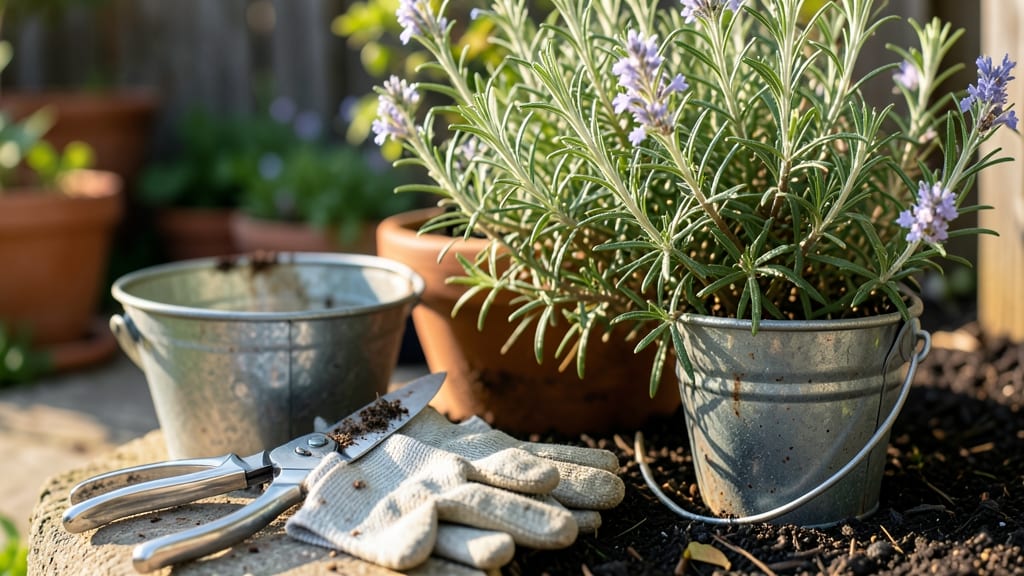
Trimming your rosemary bush isn’t just about keeping it neat—it’s the secret to year-round fragrant growth that tastes better than anything from the grocery store. 🌿 I’ve turned my once-lanky rosemary into a bushy, aromatic powerhouse by mastering just a few simple cuts, and the difference is shocking.
The key? Pruning at the right time, with the right tools, and knowing exactly where to snip.
Most people overdo it or wait too long, which leads to woody stems and sparse foliage. But with the right approach, you’ll encourage dense, vibrant growth and harvest fresh sprigs for months.
Start with clean, sharp pruners and focus on shaping the bush—not just hacking at the ends. A little effort now means a bush that stays lush, fragrant, and productive all season long.
After trimming, your rosemary will bounce back faster than you think. Within 2-3 weeks, you’ll see fresh green shoots pushing through, and the scent will be even stronger. The best part?
Regular pruning keeps your plant compact, prevents dead wood, and makes harvesting easier. No more struggling with overgrown, unruly stems—just a well-shaped bush ready for the kitchen or garden.
Whether you’re trimming in spring for new growth or shaping in fall for winter resilience, the same principles apply. This method works for both potted rosemary and in-ground plants, so you can use it no matter where your bush lives.
Let’s get those pruners out and make your rosemary the star of your garden!
📚 In This Guide
- What you need
- Instructions
- Tips and common mistakes
- Wrapping up and next steps
What you need
- ● Pruning shears or secateurs – Choose bypass pruners (sharp, clean blades) for precision cuts. Size: 5-7 inches (13-18 cm) for medium-sized bushes.
- ● Garden gloves – Opt for cut-resistant, breathable gloves (e.g., leather or synthetic mesh) to protect hands from thorns and sap.
- ● Disinfectant (rubbing alcohol or bleach solution) – 1 part bleach to 9 parts water to sterilize tools between cuts and prevent disease.
- ● Sharpie or permanent marker – For marking new growth areas if planning a structured trim.
- ● Bucket or trash bag – To collect pruned branches (great for compost or culinary use!).
- ● Ladder or step stool – If your rosemary bush exceeds 3-4 feet (1-1.2 meters) in height.
- ● Hand pruners (smaller) – For delicate trimming of tender new shoots.
- ● Hose or spray bottle – To rinse tools and clean sap from blades mid-trimming.
- ● Plant food or compost – A balanced fertilizer (10-10-10) to nourish the bush post-prune.
- ● Safety glasses – If working with overgrown, thorny bushes to protect eyes from debris.
Step-by-Step guide to trimming your rosemary bush
Here's how I keep my rosemary thriving year-round with simple, effective pruning.
✂️ Step 1: Prune in Early Spring for New Growth
Start your rosemary trimming in early spring when new growth begins—you'll see fresh green shoots emerging from the base. Use clean, sharp pruners to cut back any woody or overgrown stems by about one-third. This encourages bushier, fuller growth and prevents the plant from becoming leggy.
Focus on the outer stems first. Rosemary grows from the tips, so cutting back the oldest growth stimulates new shoots. Watch for leafy green stems—these are the ones you want to encourage. Avoid cutting into old, bare wood, as it won’t regrow. If you accidentally cut into bare wood, don’t worry—just trim back to a spot where you see fresh green growth.
✂️ Step 2: Light Trimming After Harvesting
Whenever you harvest rosemary for cooking, trim the stems just above a leaf joint. This keeps the plant compact and encourages branching. I like to harvest in late spring or early summer when the plant is at its most fragrant. After harvesting, give the plant a little water if the soil feels dry—rosemary prefers well-draining soil and doesn’t like to sit in moisture.
If your rosemary starts looking sparse or leggy, it’s time for a light trim. Cut back any stems that are growing too long or have lost their lower leaves. This keeps the plant tidy and ensures you always have fresh, flavorful sprigs to use in the kitchen. Avoid trimming more than one-third of the plant at a time—this can stress the rosemary and slow down its growth.
✂️ Step 3: Fall Cleanup for Winter Prep
In late fall, give your rosemary a final trim to prepare it for winter. Cut back any dead, damaged, or diseased stems first—these can harbor pests or diseases that might overwinter. Then, trim back the remaining growth by about one-third to keep the plant neat and reduce moisture retention, which can lead to rot in colder months.
Rosemary is a hardy plant, but a little extra care in fall helps it survive winter better. If you live in a colder climate, you can also give the plant a light mulch around the base to protect its roots from freezing temperatures. Avoid heavy pruning in winter—this is the plant’s dormant period, and it’s best to leave it alone until spring.
✂️ Step 4: Shape and Maintain Year-Round
Throughout the year, keep an eye on your rosemary’s shape. If it starts to look uneven or overgrown, do a little light trimming to maintain its form. Rosemary grows slowly, so you don’t need to prune often—just every few months or as needed. Always trim just above a leaf joint to encourage new growth and keep the plant bushy.
Here’s the thing—rosemary doesn’t need heavy pruning like some other plants. The key is to trim lightly and often rather than doing one big prune. This keeps the plant healthy, encourages new growth, and ensures you always have fresh, fragrant sprigs to enjoy. If you notice any yellowing leaves, trim those off as well—they’re a sign the plant is stressed or not getting enough light.
Tips & tricks for perfect rosemary bush pruning
Keeping your rosemary lush and fragrant takes just a few simple tricks—here’s how to avoid common mistakes and get the best results.
Timing is Everything: The early spring trim in Step 1 is your most important pruning of the year. This is when rosemary naturally starts its growth cycle, so cutting back by one-third at this time gives your plant the best chance to regenerate. I’ve seen rosemary bushes double in size after just one proper spring trim—it’s like hitting the reset button for new growth.
Tool Matters More Than You Think: Never use dull or dirty pruners—they crush stems and spread disease. I keep a small bottle of rubbing alcohol handy to wipe down my pruners between cuts. For thicker stems, I use bypass pruners (the kind gardeners use for clean cuts), while my smaller kitchen shears handle the finer trimming. Always cut at a 45-degree angle just above a leaf joint to prevent water from pooling on the cut.
Seasonal Adjustments: While the instructions cover the basics, here’s what I do differently in my zone 7 climate: In early spring, I might trim slightly earlier if I see new growth starting before the official spring date. In fall, I’m more aggressive with removing dead stems since our winters get chilly. The one-third rule is flexible—adjust based on how healthy your plant looks, but never take more than that in one session.
Visual Cues for Perfect Cuts: When trimming in Step 2 after harvesting, look for stems where the leaves are spaced about 1-2 inches apart. These are your growth points. If you’re unsure where to cut, imagine drawing an invisible line just above where the leaves meet the stem—that’s your target. For woody stems in Step 1, you’ll know you’ve gone too far if you see bare, brown wood without any green growth.
Pro Tips for Rosemary Bush Trimming
- Keeping your rosemary lush and fragrant takes just a few simple tricks—here’s how to avoid common mistakes and get the best results.
- Timing is Everything: The early spring trim in Step 1 is your most important pruning of the year.
- Tool Matters More Than You Think: Never use dull or dirty pruners—they crush stems and spread disease.
Frequently asked questions
Got questions about keeping your rosemary bush thriving?
Here are answers to the most common concerns—from timing to troubleshooting—so you can prune like a pro.
When is the best time to trim a rosemary bush?
The ideal time to trim rosemary is in early spring (just before new growth starts) or late summer (after flowering). Avoid heavy pruning in winter, as the plant is dormant. Light shaping can be done year-round, but avoid cutting into woody stems—focus on soft, green growth for best results.
How much can I trim off without harming the plant?
Never remove more than ⅓ of the plant’s foliage in a single session. For established bushes, aim for 10–15% of the total growth. Over-pruning can stress rosemary, leading to woody stems or poor regrowth. If your bush is leggy, trim back selectively to encourage bushier growth.
What should I do if my rosemary turns brown after trimming?
Brown tips after pruning usually mean over-trimming or underwatering. If it’s mild, trim the damaged tips and reduce watering (rosemary hates soggy soil!). For severe browning, check for pests like spider mites or fungal issues. Prune in the morning to allow foliage to dry quickly and prevent rot.
Can I use rosemary trimmings for cooking or propagation?
Fresh trimmings
are perfect for cooking—just rinse and chop. For propagation, take 3–4 inch cuttings from healthy stems, remove lower leaves, and root them in water or well-draining soil. Avoid flowering stems, as they root poorly. Prune just above a leaf node for best results.
How do I trim rosemary in hot or cold climates?
In hot climates, trim lightly to prevent stress—focus on air circulation to reduce fungal risks. In cold climates, prune in late spring after frost danger passes. If your rosemary is potted, move it to a sheltered spot before winter and trim back by ⅓ to protect tender new growth.
Wrapping up and next steps
Trimming your rosemary bush isn’t just about keeping it tidy—it’s the secret to unlocking its full potential! By following a year-round pruning routine, you’ll encourage vibrant growth, lush foliage, and even more of that intoxicating fragrance.
Whether you’re a seasoned gardener or just starting out, these steps make the process simple and rewarding.
Now that you’re armed with the know-how, grab those shears and get pruning! 🌿 Start small if you’re new, and soon you’ll be the proud caretaker of a thriving, fragrant rosemary bush. Happy gardening!