
Pruning
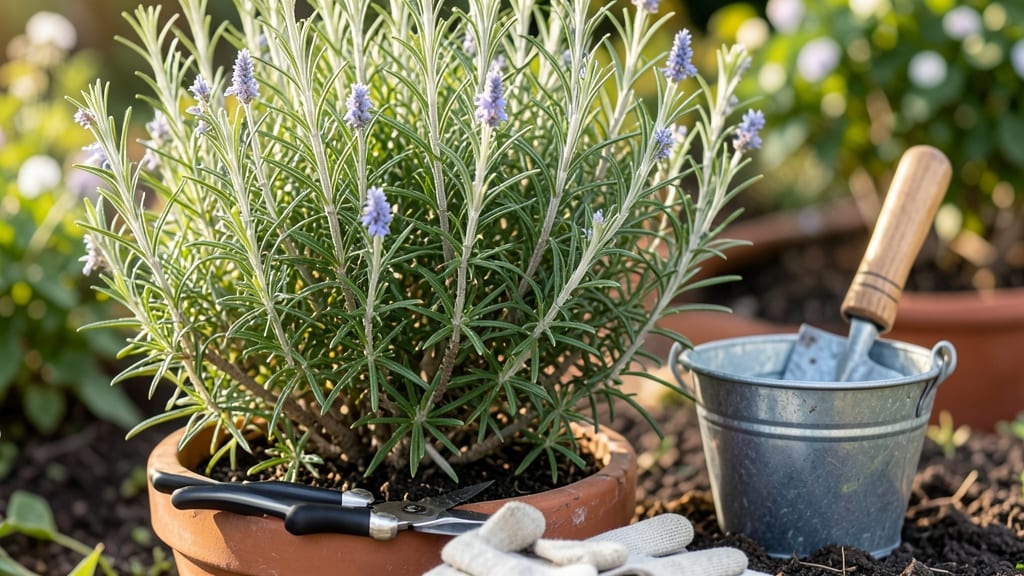
Cutting back rosemary bushes keeps them lush and fragrant year-round—but timing and technique matter. 🌿 I’ve learned the hard way that aggressive pruning in summer stresses these Mediterranean shrubs, while strategic cuts in late winter or early spring encourage bushier, healthier growth.
The key is working with rosemary’s natural rhythm, not against it.
You’ll need sharp pruning shears, a clean pair of gloves, and a clear day to avoid spreading disease. Focus on shaping the bush by cutting back leggy stems to just above a leaf node—never more than one-third of the plant at once.
Rosemary’s woody stems regenerate better when you prune gradually, so think of it as sculpting rather than trimming.
By late spring, you’ll see fresh green shoots pushing through, signaling the plant’s reward for your patience. The bush stays compact, dense, and bursting with piney fragrance—perfect for cooking or adding to floral arrangements. Just avoid pruning after midsummer, when rosemary’s energy shifts to flowering and new growth.
For container-grown rosemary, prune lightly in spring and again after harvesting to maintain shape. In hot climates, a light trim in early fall helps the plant toughen up before winter. Over-pruning is the biggest mistake—rosemary recovers slowly, so less is always more.
📚 In This Guide
- What you need
- Instructions
- Tips and common mistakes
- Wrapping up and next steps
What you need
- ● Pruning shears or secateurs: Sharp, bypass-style shears (4-6" blade length) for clean cuts. Disinfect with rubbing alcohol before and after use to prevent disease spread. (1 pair)
- ○ Hand pruners (optional for thicker stems): Heavy-duty pruners (5-8" blade) for woody stems thicker than ½ inch. (1 pair, if needed)
- ● Garden gloves: Cut-resistant gloves (e.g., leather or synthetic) to protect hands from thorns and sap. (1 pair)
- ● Rake or leaf blower: For clearing fallen debris after pruning. (1)
- ● Watering can or hose: To hydrate the plant post-pruning. (1)
- ● Sharpie or permanent marker: For labeling cuttings if propagating. (1)
- ● Compost bin or bag: To dispose of trimmings (avoid piling near the base of the plant). (1)
- ● Loppers: For larger, established rosemary bushes with thick stems.
- ● Hedge shears: If shaping a formal hedge (8-12" blade).
- ● Plant food or fertilizer: Organic or slow-release formula (e.g., 10-10-10) to boost recovery.
- ● Rooting hormone: If propagating cuttings (gel or powder form).
- ● Spray bottle with water: For misting cuttings if propagating indoors.
Step-by-step instructions for pruning rosemary bushes
Here's my go-to method for keeping rosemary vibrant and healthy through every season.
✂️ Step 1: Prune in Early Spring for New Growth
Start your rosemary pruning in early spring, just as new growth begins to emerge. This is when the plant has the energy to recover and produce fresh, lush foliage. Look for new shoots—these are your signal that it's time to prune. Use clean, sharp pruning shears to make cuts just above a set of leaves where new growth will emerge.
Trim back any leggy or overgrown stems by about one-third of their length. Avoid cutting into old, woody stems, as these won’t regrow. Focus on the younger, green growth to encourage a fuller bush. If your rosemary has become too woody over time, you can trim back even more aggressively in spring—just avoid cutting into bare wood.
✂️ Step 2: Light Pruning After Harvesting
After harvesting rosemary stems for cooking, always prune the plant back by cutting just above a leaf node. This encourages the plant to branch out and grow denser. I like to harvest and prune in late spring or early summer when the plant is actively growing. Never remove more than one-third of the plant at a time, as this can stress the rosemary and leave it vulnerable to pests or disease.
Watch for new side shoots forming after pruning—this is a good sign your plant is responding well. If you notice any yellowing or dead leaves, trim those off immediately to keep the plant healthy. Avoid pruning in late summer or fall, as the plant needs time to harden off before winter.
✂️ Step 3: Minimal Winter Pruning for Shape and Health
In late winter, if your rosemary looks untidy or overgrown, give it a light trim to shape it up. Focus on removing any dead, damaged, or crossing branches that could crowd the plant. Use your shears to make clean cuts at a 45-degree angle just above a leaf node. This helps water run off the cut and prevents rot.
Rosemary is evergreen, so it won’t go completely dormant, but it does slow down in winter. Avoid heavy pruning in winter, as the plant is less resilient. Instead, just tidy up the shape and remove any unsightly growth. If your rosemary is in a container, this is also a good time to check the roots and repot if needed.
✂️ Step 4: Revitalize Overgrown or Woody Rosemary
If your rosemary has become too woody or leggy, don’t panic—it can often bounce back with aggressive pruning. In early spring, cut back one-third to half of the plant, focusing on the oldest, woodiest stems. You might even trim it down to just a few inches above the base. While this looks drastic, rosemary is tough and will regrow from the base if you give it time and proper care.
After pruning, water the plant deeply and keep the soil consistently moist (but not soggy) for the first few weeks. New growth should appear within 4-6 weeks. If you see no new growth after 8 weeks, the plant may be too far gone, and it’s time to start fresh with a new cutting or plant.
Tips & tricks for pruning rosemary bushes
These game-changing techniques will help you transform your rosemary from leggy to lush year after year.
Timing is Everything: Early spring is your best window for aggressive pruning because that's when rosemary's growth hormones kick into high gear. I've seen dramatic turnarounds when I cut back woody stems in March rather than waiting until summer. The plant responds best when it has 6-8 weeks of warm weather ahead to recover—this gives those new shoots time to establish before winter sets in.
Precision Cutting Technique: Always make your cuts at a 45-degree angle just above a leaf node, not where branches intersect. This angled cut prevents water from pooling on the stem, which could lead to rot. I use my pruning shears to make clean cuts that look almost surgical—no jagged edges that can invite pests. For stubborn branches, I'll even use a small saw for thicker stems, but only when absolutely necessary.
The One-Third Rule: Never remove more than one-third of the plant's foliage in a single session, even when revitalizing. This rule prevents shock and maintains the plant's energy reserves. I've learned this the hard way after over-pruning and watching rosemary struggle to recover. For severely overgrown plants, spread aggressive cuts over two spring sessions rather than doing everything at once.
Post-Pruning Care: After any significant pruning, give your rosemary a deep watering that reaches at least 6 inches down into the soil. The roots need to establish new connections to support that fresh growth. I've noticed that plants watered properly after pruning show new shoots within 3-4 weeks, while neglected ones take twice as long—or don't recover at all. Mulch around the base with 1-2 inches of organic material to help retain moisture during the critical recovery period.
Pro Tips for Cut Back Rosemary Bushes
- These game-changing techniques will help you transform your rosemary from leggy to lush year after year.
- Timing is Everything: Early spring is your best window for aggressive pruning because that's when rosemary's growth h...
- Precision Cutting Technique: Always make your cuts at a 45-degree angle just above a leaf node, not where branches in...
Frequently asked questions
Got questions about pruning rosemary? You're not alone! Here are answers to the most common concerns—so you can keep your bushes thriving without the guesswork.
When is the best time to prune rosemary?
The ideal time is late winter or early spring (before new growth starts) or right after flowering (summer). Avoid heavy pruning in fall—rosemary needs time to harden off before winter. For mild climates, light trimming can happen year-round to shape bushes.
How much can I cut back without harming the plant?
Never remove more than one-third of the bush at once. For woody stems, trim back to green growth—this encourages bushier regrowth. Over-pruning can stress the plant, especially in hot climates. Think of it like a haircut: better to do a little often than one big chop!
What if my rosemary looks leggy or woody?
Leggy or woody rosemary is a sign of overgrowth or age. Prune aggressively in early spring, cutting back hard to just above a set of leaves or a bud. This stimulates new, bushier growth. For severely woody stems, you may need to rejuvenate the plant by cutting it back by half.
Can I propagate rosemary from cuttings after pruning?
Use 4-6 inch cuttings from healthy, non-flowering stems. Remove lower leaves, dip in rooting hormone (optional), and plant in well-draining soil. Keep moist (not soggy) and place in bright, indirect light. Roots should form in 2–4 weeks—perfect for expanding your garden!
How do I prune rosemary in cold climates?
In zones 7 and below, wait until after the last frost (spring) to prune. Avoid heavy cuts in fall—the plant needs energy to survive winter. If your rosemary freezes back, don’t panic! Trim dead growth in spring, and it’ll bounce back. For extra protection, mulch lightly around the base.
What should I avoid when pruning rosemary?
- Pruning too late in the season—this can stunt growth before winter.
- Using dull shears—they crush stems, inviting disease.
- Overwatering after pruning—rosemary hates wet feet!
- Leaving "stubs"—always cut just above a leaf node or bud.
Pro tip: Disinfect your tools with rubbing alcohol between cuts to prevent spreading pests or diseases.
Wrapping up and next steps
Cutting back your rosemary bushes doesn’t have to be intimidating—just a little timing, technique, and tenderness go a long way! With the right tools and a clear plan, you’ll keep your plants thriving year-round while enjoying their fragrant, evergreen beauty.
Now that you’re armed with the know-how, why not take action today? Grab those pruners and give your rosemary the fresh start it deserves—your garden (and your meals!) will thank you.
Next step: Mark your calendar for your next pruning session and watch your rosemary flourish! 🌿✨