
Flowers
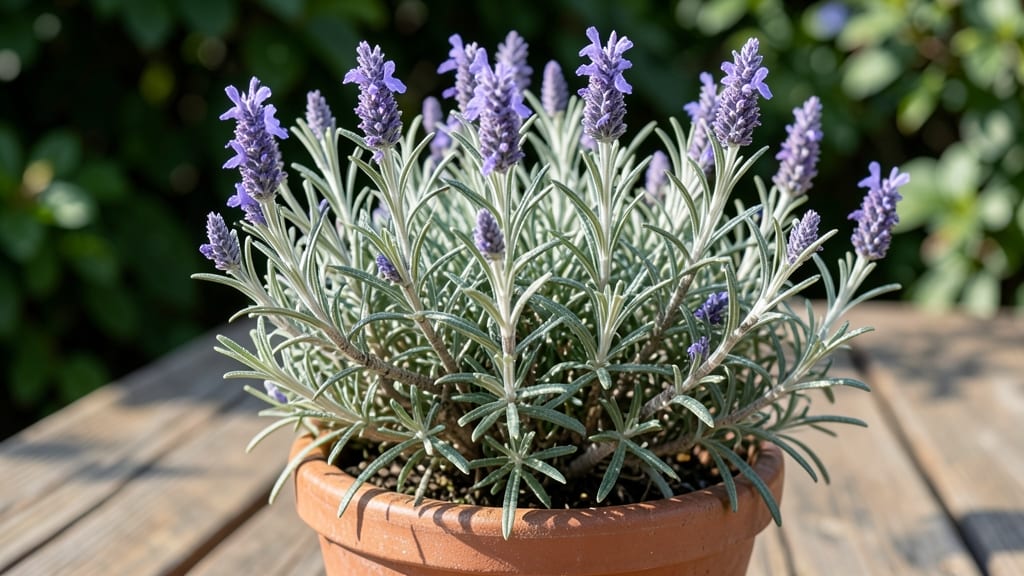
Growing rosemary bush flowers means transforming that familiar kitchen herb into a fragrant, bee-magnet showstopper. 🌿 I used to think rosemary was just for seasoning—until I discovered how to coax those delicate blue flowers into bloom.
The secret lies in sunlight, pruning, and a little patience that pays off with months of color and pollinator visits.
Rosemary thrives in full sun (at least 6-8 hours daily) and well-draining soil—think sandy or rocky mixes. Overwatering is the #1 flower-killer, so let the soil dry completely between drinks.
Prune strategically in early spring by cutting back one-third of the bush to encourage new growth, which is when those flower buds appear.
By midsummer, you'll see clusters of tiny blue flowers that smell like pine and attract bees and butterflies. The blooms may last 4-6 weeks, but with proper care, you can get a second flush in fall.
The fragrance alone makes it worth the effort—imagine snipping fresh sprigs for cooking while enjoying the garden buzz of pollinators.
Works for both container and in-ground rosemary, and even drought-tolerant varieties will flower better with these tweaks. Here's how to keep your rosemary blooming year after year without losing its culinary value.
📚 In This Guide
- What you need
- Instructions
- Tips and common mistakes
- Wrapping up and next steps
What you need
- ● Rosemary plants: Start with Rosmarinus officinalis (hardy, upright varieties like 'Arp' or 'Hill Hardy' work best for blooms). Choose 1-3 plants depending on space.
- ● Well-draining soil: Mix 50% potting soil with 50% perlite or coarse sand (rosemary hates soggy roots!). For garden beds, amend clay soil with compost.
- ● Sunlight access: A spot with 6+ hours of full sun daily (partial shade may reduce flowering).
- ● Watering can or hose: With a gentle spray nozzle to avoid disturbing soil.
- ● Pruning shears: Sharp, clean shears (sterilize with rubbing alcohol between cuts).
- ● Balanced fertilizer: A 10-10-10 or 20-20-20 formula (use sparingly—rosemary prefers lean soil!).
- ● Gloves: Garden gloves to protect hands from prickly stems.
- ● Containers (if potted): 5-7 gallon pots with drainage holes (terracotta or fabric pots work well).
- ● Mulch: Gravel or pebbles (rosemary dislikes organic mulch—it retains too much moisture).
- ○ Bee-friendly additives: Optional bee balm or lavender seeds planted nearby to attract pollinators!
- ● Support stakes: Only needed if growing tall varieties (3+ feet) in windy areas.
Step-by-Step guide to cultivating fragrant rosemary flowers
Here’s how to coax vibrant blooms from your rosemary bush—no fancy tricks, just proven techniques.
🌱 Step 1: Select and Prepare the Right Rosemary Variety
Not all rosemary thrives as a flowering bush. Choose upright varieties like 'Arp' or 'Hill Hardy'—they’re bred for bushy growth and abundant blooms. Avoid trailing types like 'Prostratus'; they focus energy on sprawling, not flowering. Start with 4-6 inch nursery plants for fastest results, or grow from cuttings if you’re propagating from an existing bush.
If using cuttings, take 4-inch stems from the tips of healthy growth. Strip lower leaves and dip in rooting hormone (optional but helpful). Plant in sandy, well-draining soil—rosemary hates soggy roots. Water lightly to settle the soil, then wait until the top inch feels dry before watering again. This mimics their Mediterranean drought tolerance.
☀️ Step 2: Position for Maximum Sun and Airflow
Rosemary flowers only when they get full sun—at least 6-8 hours daily. A south-facing spot is ideal, but even west-facing works if you’re in a hot climate. I’ve seen rosemary bushes in partial shade produce leaves but no flowers—skip the shade if blooms are your goal.
Space plants 3-4 feet apart to ensure good airflow. Crowded bushes develop fungal issues and focus energy on survival, not flowering. Prune back any leggy growth immediately—this encourages bushier, more compact growth that blooms better. Watch for tiny blue or purple flower buds forming in spring; these signal your plant is ready to burst into color.
💧 Step 3: Water and Feed for Blooming Success
Overwatering is the #1 killer of rosemary blooms. Water deeply once a week in summer, letting the soil dry completely between waterings. Stick your finger 2 inches down—if it’s damp, wait. Mulch with 1-2 inches of gravel or coarse sand to prevent moisture retention. Rosemary in containers? Use terra cotta pots with drainage holes and water only when the soil feels bone-dry.
Feed lightly in early spring with a balanced 10-10-10 fertilizer (½ strength). Too much nitrogen = lush leaves, no flowers. I swear by fish emulsion for a gentle boost—it mimics natural soil fertility without burning roots. Stop fertilizing after mid-summer; rosemary needs to focus on blooming, not new growth.
✂️ Step 4: Prune to Encourage Flowering
Prune right after flowering (late spring/early summer) to shape the bush and promote next year’s blooms. Use clean, sharp shears and cut back one-third of the plant’s height, targeting leggy stems and woody growth. Never prune into old wood—rosemary doesn’t regenerate from bare stems.
For bushier growth, pinch back new growth tips in early spring. This forces the plant to branch out instead of growing tall and sparse. Watch for new shoots at the base—these are your plant’s way of telling you it’s happy and ready to flower. Deadhead spent blooms regularly to redirect energy into new flowers, not seed production.
🐝 Step 5: Support Pollinators and Extend the Bloom
Rosemary flowers attract bees and butterflies, but you’ll get more blooms if you hand-pollinate occasionally. Gently tap stems when buds are open to release pollen. Plant nearby lavender or thyme—they share pollinators and create a fragrant, low-maintenance border that blooms together.
To extend blooms, move potted rosemary to a sheltered spot in fall if your climate dips below 20°F. In warm zones, a light winter mulch (straw or leaves) protects roots while allowing airflow. Harvest flowers in morning hours when dew is off the petals—this preserves their fragrance and encourages more blooms to form.
Tips & tricks for cultivating fragrant rosemary flowers
Here's what nobody tells you about getting those showstopping rosemary blooms—lessons I learned after watching three bushes fail to flower.
Variety Matters: In Step 1, when selecting your rosemary, avoid the common mistake of choosing 'Prostratus' or other trailing varieties. These focus energy on sprawling growth rather than flowering. For abundant blooms, stick to upright varieties like 'Arp' or 'Hill Hardy'—they're specifically bred for bushy, flowering growth. If you already have a non-flowering variety, consider propagating cuttings from a flowering bush instead.
Sunlight Secret: The 6-8 hours of full sun mentioned in Step 2 isn't just a recommendation—it's non-negotiable for flowering. I've seen rosemary bushes in partial shade produce leaves but no flowers. If your location gets less than 6 hours of direct sun, consider growing rosemary in containers that you can move to a sunny spot during peak sunlight hours. South-facing windowsills or patios work beautifully for container-grown rosemary.
Watering Wisdom: When Step 3 advises watering deeply once a week, remember this is a Mediterranean plant that thrives on drought conditions. The key is letting the soil dry completely between waterings. I've ruined multiple rosemary bushes by keeping the soil too moist—rosemary roots rot quickly in soggy conditions. For container-grown plants, use terra cotta pots which dry out faster than plastic, and always ensure they have drainage holes.
Pruning Precision: The timing for pruning in Step 4 is crucial. Prune right after flowering (late spring/early summer) to shape the bush and encourage next year's blooms. But here's the part nobody emphasizes: when you cut back one-third of the plant's height, focus on removing leggy stems and any woody growth. These are energy vampires that prevent flowering. Leave the healthy, green stems—they're your plant's future blooming powerhouses.
Pro Tips for Rosemary Bush Flowers
- Here's what nobody tells you about getting those showstopping rosemary blooms—lessons I learned after watching three bushes fail to flower.
- Variety Matters: In Step 1, when selecting your rosemary, avoid the common mistake of choosing 'Prostratus' or other trailing varieties.
- Sunlight Secret: The 6-8 hours of full sun mentioned in Step 2 isn't just a recommendation—it's non-negotiable for flowering.
Frequently asked questions
Got questions about growing and enjoying rosemary bush flowers?
Here are answers to the most common ones—from timing to troubleshooting—so you can cultivate a thriving, fragrant garden!
When do rosemary bush flowers bloom?
Rosemary typically blooms in late spring to early summer, but timing depends on your climate. In warmer regions, flowers may appear as early as March, while cooler zones might see blooms in May or June. Pruning after flowering can encourage a second, lighter bloom later in the season.
How long does it take for rosemary to flower?
Established rosemary bushes (2+ years old) usually flower within 1–2 years of planting. Younger plants may take longer, especially if stressed by poor soil or cold. Patience is key! Ensure full sun (6+ hours/day) and well-draining soil to speed up blooming.
Why aren’t my rosemary flowers attracting pollinators?
If bees and butterflies ignore your rosemary, check these fixes:
- Timing: Plant near other pollinator-friendly flowers (e.g., lavender, marigolds) for a "buffet effect."
- Health: Over-fertilizing (especially with nitrogen) reduces flowers. Use a low-phosphorus fertilizer instead.
- Water: Drought-stressed plants may produce fewer blooms. Water deeply but infrequently.
Pro tip: Avoid pruning flowers until they fade—pollinators need the nectar!
Can I grow rosemary bushes from cuttings with flowers?
Yes! Take 4–6 inch cuttings from non-flowering stems (flowering branches may struggle to root). Dip the cut end in rooting hormone, plant in moist potting mix, and keep in bright, indirect light. Roots typically form in 2–4 weeks. Remove flowers before rooting to focus energy on growth.
What’s the best way to preserve rosemary flowers?
Preserve rosemary blooms for dried arrangements or potpourri:
- Drying: Hang small bundles upside-down in a dark, dry place for 1–2 weeks.
- Freezing: Place whole sprigs in ice cube trays with water for infused oils or teas.
- Pressing: Use a flower press for flat, long-lasting displays (great for scrapbooking!).
Bonus: Dried rosemary flowers make a stunning (and fragrant) centerpiece for winter!
Will rosemary flowers survive winter in cold climates?
Rosemary is hardy to USDA Zone 7, but flowers may die back in colder areas. Protect plants with mulch or move potted rosemary to a sheltered spot. Prune dead growth in early spring—new flowers will return once temperatures warm. Zone 6 or colder? Grow rosemary in containers for easier overwintering.
Wrapping up and next steps
Growing rosemary bush flowers is a rewarding journey that brings beauty, fragrance, and life to your garden while supporting local pollinators. 🐝 Whether you’re a seasoned gardener or just starting, these hardy plants thrive with minimal fuss—just give them sun, well-drained soil, and a little patience.
Your efforts will soon be rewarded with vibrant blooms and the sweet scent of rosemary, making your outdoor space a haven for bees, butterflies, and you!
Ready to take the next step? Start small—plant a single rosemary bush this season and watch it flourish. Then, expand your garden with more fragrant herbs or pollinator-friendly flowers. Happy gardening! 🌱