
Diseases
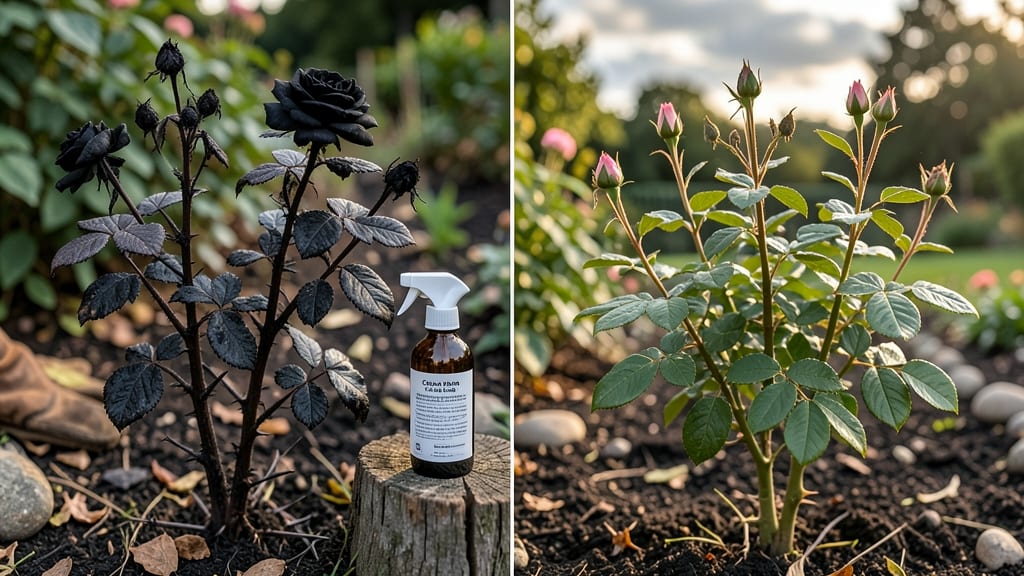
Your rose bush turning black isn’t a death sentence—it’s a fungal battle you can win. 🌿 The moment I saw those black spots and wilting leaves, I knew it was black spot or botrytis blight, but copper spray turned my struggling bushes into thriving ones within weeks.
The key? Acting fast and treating the roots, not just the leaves.
Fungal diseases like black spot or root rot thrive in damp, shaded conditions, and roses are prime targets. You’ll spot black spots on leaves, stems turning mushy, or even the entire bush looking like it’s been singed.
The good news? Copper spray kills fungal spores on contact, while proper pruning and airflow stop future outbreaks.
By pruning infected stems back to healthy growth, applying copper fungicide every 2 weeks, and improving drainage, you’ll see fresh green leaves within 3-4 weeks. The secret weapon? Prevention—spraying copper before symptoms appear keeps roses looking lush all season.
Works for hybrid teas, climbers, and shrub roses alike. Whether you’re dealing with a single bush or a whole garden, this method saves your roses—and your sanity. Let’s get those stems healthy again!
Understanding The Root Causes
When your once-vibrant rose bush starts turning black, it’s often a distress signal from the plant—one that demands attention. Fungal infections, environmental stressors, and even hidden pests can trigger this discoloration.
Below, we break down the most common culprits and the science behind why they turn your roses into a shadow of their former selves.
Fungi thrive in damp, shaded conditions, making roses a prime target. The most notorious offenders include:
Black Spot Disease (Diplocarpon rosae)
This fungal disease is the #1 reason roses develop black spots that spread rapidly.
Here’s how it works: - Spores land on leaves, stems, or buds, often during rainy or humid weather. - Germinate within 24–48 hours, forming dark, circular lesions with yellow halos. - Spread aggressively, weakening the plant by blocking sunlight (photosynthesis) and clogging stomata (breathing pores). - Result: Leaves turn black, crispy, and drop prematurely, leaving the bush vulnerable to further stress.
💡 Pro Tip: Black spot loves high humidity (above 75%) and poor air circulation. Prune for airflow and water at the base—not overhead—to stay ahead.
Botrytis Blight (Gray Mold)
While it starts as gray, this fungus can turn tissues black and mushy, especially in flowers and stems.
- Thrives in cool, wet conditions (50–77°F) and crowded plantings.
- Attacks injured or senescent tissue, like deadheading blooms or overripe fruit.
- Produces thick, leathery black patches that spread like a blanket, smothering growth.
🌡️ Watch for: Blackened petals on buds that fail to open, or stems that appear "drowned" in moisture.
Powdery Mildew (Erysiphe spp.)
Though it starts as a white powder, severe cases can cause blackened, distorted leaves as the fungus penetrates deeply.
- Loves dry heat (unlike black spot) but still needs high humidity to sporulate.
- Weakens roses by coating leaves, reducing photosynthesis, and inviting secondary infections.
- Blackened leaves appear when the mildew kills tissue and triggers rotting.
✨ Trick: Neem oil or baking soda spray (1 tsp baking soda + 1 quart water + drop of soap) can disrupt spore germination early.
Not all blackening is fungal—sometimes, it’s your rose’s way of screaming, "Fix my environment!"
Overwatering or Poor Drainage
Roses hate soggy feet. Excess moisture leads to:
- Root rot (Phytophthora or Pythium fungi), where roots turn black and mushy.
- Oxygen deprivation, causing stems to blacken at the base.
- Salt buildup in soil (from tap water), burning roots over time.
💧 Action Step: Test your soil’s drainage—stick a trowel in the ground after watering. If water pools after 1 hour, amend with compost or perlite.
Extreme Temperature Swings
- Frost damage: Blackened, wilted leaves after a freeze? Cells rupture from ice crystal formation.
- Heat stress: Leaves curl and darken when transpiration > water uptake, leading to sunscald (blackened patches on exposed stems).
🔥 Solution: Mulch with straw or wood chips (2–3 inches deep) to insulate roots and retain moisture.
Chemical Burn or Nutrient Deficiency
- Over-fertilizing (especially nitrogen) can cause leaf tips to blacken from salt buildup.
- Iron or magnesium deficiency leads to interveinal chlorosis (yellowing between veins) that progresses to blackened, dead patches.
- Herbicide drift or copper sulfate overuse can scorch foliage, turning it black.
📊 Diagnose: Pull a leaf—if veins stay green while tissue blackens, it’s likely magnesium deficiency (fix with Epsom salt).
Pests rarely cause direct blackening, but their damage opens doors for fungi and bacteria.
Japanese Beetles & Rose Slugs
- Feed on leaves, skeletonizing them and leaving blackened, chewed edges.
- Frass (insect poop) can harbor fungi, accelerating rot.
👨🍳 Trap them: Use floating row covers or neem oil sprays to deter adults.
Aphids & Spider Mites
- Sap-sucking weakens roses, making them prone to sooty mold (a black, fuzzy fungus that grows on their honeydew).
- Mites cause stippling (tiny black dots) on leaves, reducing photosynthesis.
🕷️ Combat: Spray with insecticidal soap or introduce ladybugs as natural predators.
If blackening appears suddenly and uniformly (not spotty), consider:
- Bacterial infections (e.g., Pseudomonas syringae), which cause oozing, blackened cankers on stems.
- Viruses (like rose rosette virus), which turn leaves black and brittle while stunting growth.
- Animal damage (e.g., rabbits chewing stems, leaving blackened bite marks).
🎯 Next Step: Send a sample to your local extension office for lab testing if unsure.
Revive Your Roses Fast
When your rose bush starts turning black, swift action can save it from permanent damage. Below are targeted solutions for the most common causes—fungal infections, environmental stress, and pests—along with preventive tips to keep your roses healthy and vibrant.
If black spots, powdery mildew, or stem rot are the culprits, copper-based fungicides are your best defense. These disrupt fungal spores without harming your roses (when used correctly).
🔥 Step-by-Step Fix:
- Prune the Damage 🔪
- Use sterilized pruners (wipe with rubbing alcohol) to cut off blackened leaves, stems, and canes—at least ½ inch below the affected area.
- Dispose of infected debris in the trash (not compost).
- Apply Copper Fungicide 🛡️
- Choose a liquid copper spray (like copper sulfate or copper fungicide).
- Mix according to label instructions (typically 1–2 tbsp per gallon of water).
- Spray early morning or late evening to avoid leaf burn from sunlight.
- Cover both sides of leaves and stems thoroughly—fungi hide in crevices!
- Reapply Preventatively ⏰
- Spray every 7–14 days during wet or humid weather.
- Continue for 4–6 weeks to break the fungal cycle.
💡 Pro Tip:
- Avoid copper on young, tender growth—it can cause leaf scorch. Wait until roses are established.
Blackened leaves from extreme temperatures (frost or scorching heat) require environmental fixes rather than chemicals.
🍳 Quick Fixes:
- Shade Cloth for Heat Stress 🌞
- If leaves turn black in hot sun, drape 30–50% shade cloth over the bush for a few days.
- Water deeply at the base (not overhead) to cool roots.
- Protect from Frost ❄️
- Cover roses with frost blankets or burlap if temps drop below 28°F (-2°C).
- Avoid mulching too early—wait until soil temps stabilize (late fall/winter).
- Improve Airflow 💨
- Trim back overgrown branches to reduce humidity buildup (fungi love stagnant air).
- Space bushes 3–4 feet apart for better circulation.
🎯 Prevention Checklist: ✔ Water in the morning (leaves dry by night). ✔ Avoid overhead watering (use drip irrigation). ✔ Mulch with 2–3 inches of organic matter (straw or wood chips) to regulate soil temp.
Sap-sucking pests like Japanese beetles, spider mites, or aphids can cause blackened, wilted leaves as they drain nutrients.
👨🍳 Pest Control Plan:
- Blast Off Pests 💦
- Spray with neem oil or insecticidal soap (mix 1 tbsp neem oil + 1 tsp mild soap per quart of water).
- Apply early morning for best results.
- Handpick Beetles 🪰
- Drop Japanese beetles into soapy water to reduce populations.
- Attract Predators 🐞
- Plant marigolds or basil nearby to lure beneficial insects (like ladybugs).
✨ Long-Term Defense:
- Install row covers in early spring to block pests before they arrive.
- Prune regularly to remove egg-laying sites.
If the entire bush is blackening at the base, root rot from overwatering or poor drainage may be the issue.
🔪 Emergency Steps:
- Stop Watering Immediately 🚰
- Let soil dry out completely before watering again.
- Improve Drainage 🏗️
- Dig around the base and amend soil with:
- Perlite or sand (for sandy soil).
- Compost (for clay-heavy soil).
- Consider raising beds if water pools consistently.
- Dig around the base and amend soil with:
- Fungicide for Roots 🌿
- Apply mycorrhizal fungi or beneficial bacteria (like Trichoderma) to outcompete rot-causing microbes.
💡 Pro Tip:
- Test your soil’s pH—root rot thrives in acidic (below 6.0) or waterlogged conditions. Aim for 6.0–7.0.
No matter the issue, these basic care boosts help roses recover faster:
- Fertilize lightly with balanced rose food (10-10-10) after treating the problem.
- Avoid heavy nitrogen—it encourages soft growth that’s prone to disease.
- Mulch properly—keep 3 inches away from the stem to prevent rot.
🚀 Final Reminder: Act fast—the sooner you address blackening, the better your roses’ chances of bouncing back! Monitor daily and adjust treatments as needed. With the right care, your roses will be thriving in no time. 🌹
Frequently asked questions
Why do rose leaves turn completely black instead of just spotting?
Total blackening usually signals advanced fungal infection (like botrytis blight) or root rot. Black spot often starts as spots but spreads to full leaf blackening when humidity stays above 75% for days. Check stems too - mushy black areas mean root rot from overwatering.
Can I save a rose bush if half the stems are black and mushy?
Yes, but act fast! Prune back all blackened canes to healthy green growth (cut ½ inch below the blackened area). Apply copper fungicide immediately and improve drainage. If roots are mushy, you may need to replant the top growth in fresh, well-draining soil.
How often should I spray copper fungicide after treating blackened roses?
Spray every 7-10 days for 4-6 weeks to break the fungal cycle. For prevention, switch to every 2-3 weeks during rainy seasons. Always spray in the early morning or evening to avoid leaf burn from sunlight.
Will my blackened roses come back green next season if I treat them now?
Yes! With proper treatment, new growth will emerge green next spring. The key is removing all infected debris and improving growing conditions. Healthy canes you prune back now will sprout fresh leaves in 4-6 weeks if the roots are still viable.
Can I use household items like baking soda or vinegar instead of copper spray?
Baking soda spray (1 tsp baking soda + 1 quart water + drop of soap) works well for powdery mildew prevention, but vinegar is too harsh for roses. For established blackening, copper fungicide is more effective. Test any homemade remedy on a small area first.