
Pests
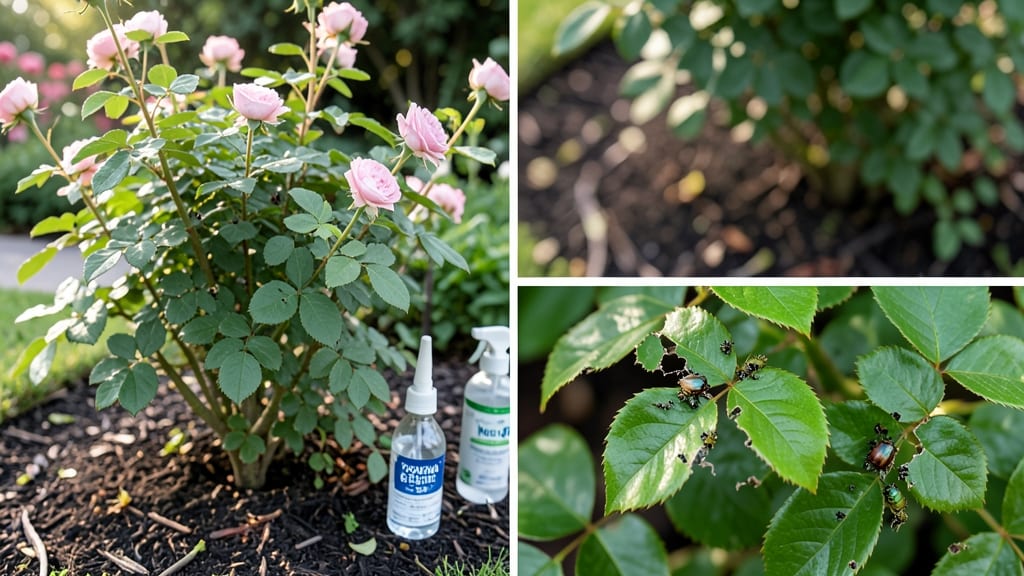
Your rose bush leaves being eaten is a classic gardening mystery—and the good news is, it’s almost always fixable without harsh chemicals. 🌿 I’ve seen everything from tiny aphid clusters to deer nibbling down entire bushes, and the solutions are simpler than you’d think, especially when pets are around.
Most leaf munchers fall into three categories: insects (like Japanese beetles or sawfly larvae), slugs/snails, or larger critters (deer, rabbits, or even squirrels). The key is identifying the culprit first—look for chewed edges, skeletonized leaves, or telltale trails to narrow it down.
Once you know who’s responsible, you’ll have pet-safe options like neem oil sprays, diatomaceous earth barriers, or even a simple beer trap for slugs. Companion plants like garlic or lavender can also act as natural deterrents without harming furry friends.
The best part? Most damage happens in spring or fall, so you can act early and watch your roses bounce back—stronger and more lush than ever.
Common Culprits Behind Leaf Loss
If your rose bush leaves are disappearing faster than you can say "pruning shears," don’t panic—you’re not alone. 🐛🌿 The culprits are often stealthy, but understanding their behavior is the first step to reclaiming your garden.
Below, we break down the most likely reasons your rose bush is being feasted on, complete with scientific insights and actionable clues to identify the troublemakers.
Insects are the most common culprits when it comes to rose bush leaves being munched. Their feeding habits leave distinct signs, and their life cycles can escalate quickly if left unchecked. Here’s how to spot them:
🌿 Japanese Beetles: The Gluttonous Invaders
Why they strike: These metallic green-and-copper beetles are voracious feeders, targeting roses, linden trees, and over 300 other plant species. Adult Japanese beetles chew irregular holes along the edges of leaves, often skeletonizing them (leaving only the veins). Their larvae, known as grubs, feed on grass roots but don’t directly harm roses.
Identification clues:
- Adults: ½-inch-long, iridescent green heads and coppery wings.
- Feeding pattern: Leaves develop a "lace-like" appearance with large, jagged holes.
- Time of year: Peak activity in late June through August.
Science behind the damage: Japanese beetles produce pheromones that attract more beetles to the same plant, creating a feeding frenzy. A single beetle can consume up to 40 rose leaves in one day!
🐛 Aphids: The Sap-Sucking Swarms
Why they strike: These tiny, pear-shaped insects (often green, black, or yellow) pierce leaves and stems to suck out sap, causing leaves to curl, yellow, or become sticky with honeydew (a sugary excretion that attracts sooty mold). While they don’t eat entire leaves, their damage weakens the plant, making it more susceptible to disease.
Identification clues:
- Size: 1/16 to 1/8 inch long.
- Location: Clustered on new growth, buds, or undersides of leaves.
- Symptoms: Sticky residue, black sooty mold, and distorted leaves.
Science behind the damage: Aphids reproduce asexually and can give birth to 50-100 live nymphs in a week without mating. Their saliva contains toxins that stunt plant growth.
🦋 Rose Slugs (Sawfly Larvae): The Leaf-Skeletonizing Menace
Why they strike: These pale green, worm-like larvae (often mistaken for caterpillars) are the offspring of sawflies. They devour rose leaves from the edges inward, leaving behind a "windowpane" effect. Unlike caterpillars, they lack true legs and move in a looping motion.
Identification clues:
- Appearance: Soft-bodied, up to 1 inch long, with a dark head.
- Feeding pattern: Leaves look like Swiss cheese or lace.
- Time of year: Active in late spring to early summer.
Science behind the damage: Rose slugs prefer young, tender leaves and can defoliate an entire bush in 2-3 weeks if unchecked. They’re most active at night and hide under leaves during the day.
While insects get most of the blame, larger animals can also turn your rose bush into an all-you-can-eat buffet. Here’s what to watch for:
🐇 Deer and Rabbits: The Lawn Decorators
Why they strike: Deer and rabbits are selective grazers and often target roses because they’re palatable, thorny (but not too much), and nutrient-rich. They typically nibble leaves, young shoots, and even buds, which can stunt flower production.
Identification clues:
- Bite marks: Clean, straight edges (deer) or 45-degree angles (rabbits).
- Time of day: Most active at dawn and dusk.
- Other signs: Trampled plants, droppings nearby, or nearby browse lines.
Science behind the damage: Deer have a ruminant digestive system optimized for high-fiber plants, but they’ll happily munch roses when other food is scarce. A single deer can consume up to 6 pounds of vegetation per day!
🐹 Squirrels and Chipmunks: The Thorny Snack Seekers
Why they strike: These small mammals are opportunistic foragers and may gnaw on rose leaves, buds, or even bark—especially if other food sources are limited. They’re more likely to target young, tender growth or roses near bird feeders.
Identification clues:
- Bite marks: Irregular, jagged tears (not as clean as deer/rabbit bites).
- Other signs: Chewed bark, scattered seed hulls, or burrows near the base.
- Time of year: Most active in fall and winter when natural food is scarce.
Science behind the damage: Squirrels have sharp, ever-growing incisors that require constant gnawing. They’re attracted to high-protein plant parts, like rose buds.
While not "eating" leaves in the traditional sense, certain pathogens consume plant tissue, weakening it enough to make it an easy target for pests—or to cause leaves to fall prematurely.
🍄 Black Spot Disease: The Leaf Curler
Why it strikes: Caused by the fungus Diplocarpon rosae, black spot thrives in humid, shaded conditions and creates dark, circular spots with yellow halos. Infected leaves yellow and drop, leaving the bush vulnerable to other pests.
Identification clues:
- Spots: Black with a reddish-brown border, often with a white or gray center.
- Pattern: Starts on lower leaves and spreads upward.
- Time of year: Worst in spring and fall.
Science behind the damage: The fungus overwinters in fallen leaves and spreads via splashing water or wind. It blocks chlorophyll production, causing leaves to die and fall.
🦠 Bacterial Leaf Spot: The Slimy Threat
Why it strikes: Bacteria like Pseudomonas syringae cause water-soaked, brown spots that ooze a yellowish fluid when wet. Infected leaves may drop prematurely, leaving the bush stressed and open to insect attacks.
Identification clues:
- Spots: Dark brown to black with yellow edges.
- Weather trigger: Spreads rapidly in wet, warm conditions.
- Smell: Foul odor from oozing bacteria.
Science behind the damage: Bacteria enter through w
Quick fixes for chewed rose leaves
When your rose bush leaves start looking like a buffet after a garden party, it’s time to take action! The good news? Most cases of leaf munching can be resolved with practical, pet-friendly solutions.
Below, we’ve mapped out targeted fixes based on the most common culprits—whether it’s hungry critters, pests, or even your own furry friends. Each remedy is designed to be simple, effective, and safe for your pets while keeping your roses thriving.
If large animals are the culprits, physical barriers are your best defense. Deer and rabbits have a knack for turning gardens into salad bars, but you can outsmart them with these steps:
🔥 Build a Temporary Barrier
- Materials needed: Chicken wire, fencing, or even sturdy branches.
- How to do it: Wrap the wire around the base of the rose bush, burying it at least 6 inches deep to deter diggers. For rabbits, extend the barrier at least 2 feet outward—they can jump!
- Pro tip: 💡 Use flexible mesh fencing (like hardware cloth) for a cleaner look, and secure it tightly to avoid gaps.
🌱 Plant Deterrents Nearby
- Try these: Marigolds, lavender, or rosemary. Their strong scents mask the allure of your roses.
- Bonus: These plants also repel pests like aphids and Japanese beetles!
🎯 Motion-Activated Scare Tactics
- DIY options: Hang old CDs or aluminum pie plates near the bush—they reflect light and startle animals.
- Commercial tools: Solar-powered motion-activated sprinklers (like ScareCrow) spray water when movement is detected—harmless but effective!
Tiny invaders like Japanese beetles and aphids can defoliate a rose bush in days. Here’s how to evict them without chemicals:
🍳 Handpick and Drown
- Best time: Early morning when pests are sluggish.
- How to do it: Fill a bucket with soapy water (1 tsp dish soap per gallon). Shake beetles or aphids into the bucket daily.
- Pro tip: 🔥 Wear gloves—some gardeners swear by a damp paper towel to gently wipe off aphids from leaves.
🌡️ Use Neem Oil Spray (Pet-Safe!)
- Recipe: Mix 2 tbsp neem oil + 1 tsp mild castile soap + 1 quart water in a spray bottle.
- How to apply: Spray leaves thoroughly, focusing on undersides where aphids hide. Reapply every 5–7 days.
- Caution: 🌡️ Test on a small leaf first—neem oil can burn sensitive plants in direct sunlight.
✨ Deploy Beneficial Insects
- Ladybugs and lacewings are natural aphid predators. Buy them online or attract them with:
- Dill or fennel plants (they love the flowers).
- A shallow dish of water with a bit of honey (for adult ladybugs).
Dogs and cats often nibble on leaves out of boredom or teething. Redirect their energy with these pet-safe strategies:
👨🍳 Offer Chew Alternatives
- For dogs: Provide pet-safe chew toys or edible treats like bully sticks or frozen carrots.
- For cats: Try catnip-filled toys or a scratching post near the garden (but far from roses!).
- Pro tip: 💡 Sprinkle citrus peels around the base—many pets dislike the smell!
🔪 Create a "No-Go Zone"
- Use physical barriers: Wrap the rose bush in bamboo fencing or plastic plant guards (available at garden centers).
- Train with taste aversion: If your pet nibbles, spray the leaves with bitter apple spray (pet-safe, non-toxic).
⏰ Increase Supervision and Playtime
- Boredom breeds chewing! Schedule 10–15 minutes of play before leaving the house.
- Puzzle toys (like Kongs for dogs) can keep them occupied for hours.
Once your roses are safe, lock in those gains with these low-maintenance habits:
- 🌱 Mulch properly: A 2–3 inch layer of wood chips or straw around the base deters burrowing pests.
- 📊 Prune regularly: Remove chewed leaves immediately to reduce attractants. Trim back to healthy growth.
- 🎯 Rotate deterrents: Animals and pests get used to the same tricks—switch up barriers or sprays every few weeks.
- 🥗 Plant companion flowers: Alliums, snapdragons, or nasturtiums confuse pests and add color.
With these solutions, your rose bush will bounce back faster than you think—and your garden will stay off the menu! 🌹💪 For stubborn cases, combine methods (e.g., fencing + neem oil) for maximum protection.
Frequently asked questions
Why do Japanese beetles specifically target my rose bush?
Japanese beetles are drawn to roses because they contain phenolic compounds that make them irresistible. These beetles use pheromones to recruit others, creating a feeding frenzy. A single beetle can eat 40 rose leaves in one day, so early intervention is key—look for their telltale lace-like chewing patterns along leaf edges.
Can I use coffee grounds to protect my rose bush from pests?
Yes! Coffee grounds are a natural deterrent for slugs, snails, and some insects due to their strong smell. Sprinkle 1-2 inches around the base of your rose bush (but not directly on leaves). Refresh weekly, especially after rain, as the scent dissipates quickly. This method is pet-safe and doubles as a slow-release fertilizer!
How do I tell if deer or rabbits are eating my rose leaves?
Deer leave clean, straight-edged bites (like a cookie cutter), while rabbits create 45-degree angle nibbles from the bottom up. Check for droppings nearby—deer pellets are larger and rabbit droppings are smaller and clustered. Both are most active at dawn/dusk, so inspect your bushes during these times for fresh damage.
Is it safe to use neem oil around pets?
Yes, when used correctly! Neem oil is pet-safe when diluted properly (2 tbsp neem oil + 1 tsp soap per quart of water). Avoid spraying directly on flowers if pets might eat them. Apply in the evening when bees are less active, and always test a small leaf area first. Keep pets away until the spray dries completely.
Will my rose bush recover if most leaves are eaten?
Roses are remarkably resilient. If 50% or fewer leaves are damaged, your bush will regrow quickly. Focus on removing chewed leaves to reduce disease risk, and fertilize lightly with compost. New growth will emerge within 2-3 weeks, especially if you water deeply during hot weather.