
Shrubs
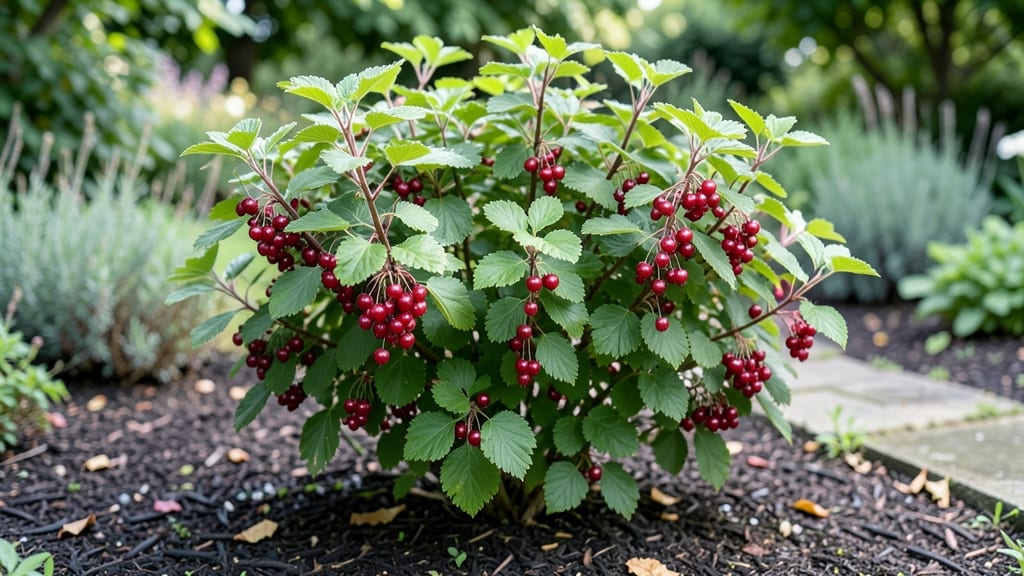
Growing a red current bush means waking up to tart-sweet berries that taste like childhood summers. 🌿 I planted my first bush three years ago after struggling with finicky raspberries, and now it’s the star of my backyard—producing buckets of fruit with almost no fuss.
The secret isn’t complicated: rich, well-draining soil, 6+ hours of sunlight daily, and winter protection in colder zones. Varieties like 'Jonker’s Red' and 'Rovada' handle heat and humidity better, while 'Red Lake' thrives in cooler climates. Prune in late winter to shape the bush and boost next year’s harvest.
By midsummer, you’ll be snipping clusters straight from the vine, their deep red color signaling peak ripeness. The flavor improves with frost, so don’t rush—wait until the berries soften slightly for the best taste. Works in containers for small spaces or as a hedge for privacy.
Here’s how to keep yours thriving year after year.
📚 In This Guide
- What you need
- Instructions
- Tips and common mistakes
- Wrapping up and next steps
What you need
- ● Red current bush plants: 1-3 healthy nursery-grown bushes (choose disease-resistant varieties like ‘Red Lake’ or ‘Consort’).
- ● Well-draining soil: Mix of garden soil, compost (20-30%), and sand or perlite (10-20%) for optimal aeration.
- ● Fertilizer: Balanced 10-10-10 fertilizer (1 lb per bush) for planting.
- ● Slow-release organic fertilizer (e.g., 5-5-5) in early spring.
- ● Mulch: 2-3 inches of organic mulch (straw or wood chips) to retain moisture and suppress weeds.
- ○ Support structure: Optional but helpful—small stakes or a trellis for young, flexible branches.
- ● Garden trowel or spade.
- ● Pruning shears (sterilized with rubbing alcohol).
- ● Watering can or hose with a gentle spray nozzle.
- ● Gloves (to protect from thorns and sap).
- ○ pH testing kit (optional, to check soil acidity—ideal range: 6.0-6.5).
- ● Sunlight: Full sun (6+ hours daily).
- ● Space: 3-5 feet apart for mature bushes (or container depth of 18+ inches if growing in pots).
- ● Water access: Consistent moisture (1-2 inches per week, more during fruit development).
- ● Patience: Red currants take 2-3 years to bear fruit but thrive for decades!
Step-by-step instructions for planting and caring for red current bushes
Here's the straightforward method I use to grow healthy red current bushes that produce fruit year after year.
🌱 Step 1: Choose the Right Location and Prepare the Soil
Red current bushes thrive in full sun with at least 6-8 hours of direct sunlight daily. Pick a spot with good air circulation to prevent fungal diseases. I always test the soil pH first—red currents prefer a slightly acidic to neutral range of 6.0-7.0.
Before planting, loosen the soil to a depth of 12-15 inches to encourage root growth. Mix in a 2-3 inch layer of compost to improve drainage and fertility. If your soil is heavy clay, add a handful of coarse sand to help roots establish. The planting hole should be twice as wide as the root ball but no deeper.
🪴 Step 2: Plant the Bushes at the Correct Depth and Spacing
Place the red current bush in the hole so the top of the root ball sits 1-2 inches above ground level. This prevents soil from washing over the graft union during heavy rains. Space multiple bushes 6-8 feet apart to allow for proper airflow and future growth.
Fill the hole with soil, pressing gently to remove air pockets. Water deeply right after planting to settle the soil and encourage root contact. The soil should feel moist but not soggy around the roots. Mulch with 2-3 inches of organic mulch (like wood chips) to retain moisture and suppress weeds, but keep it 3-4 inches away from the stem.
☀️ Step 3: Water and Fertilize for Strong Growth
Water your red current bush 1-2 inches per week, especially during the first growing season. Young bushes need consistent moisture to establish strong roots. You'll know you're watering correctly when the top 2-3 inches of soil feel damp but not waterlogged.
Apply a balanced 10-10-10 fertilizer in early spring before new growth begins, then again in late spring. Avoid high-nitrogen fertilizers—they promote leafy growth at the expense of fruit production. Red currents are light feeders, so too much fertilizer can lead to weak stems and poor fruit quality.
✂️ Step 4: Prune for Shape and Fruit Production
Prune your red current bush in late winter or early spring before new growth starts. Remove any dead, diseased, or crossing branches first. Then, thin out crowded stems to improve air circulation. I aim to keep the bush open and vase-shaped, with strong branches evenly spaced.
Cut back any suckers or water sprouts that grow from the base or along the trunk. These compete with the main structure for nutrients. You'll see healthy growth when new shoots emerge with bright green leaves and strong stems. Prune lightly in summer to shape the bush and redirect energy toward fruit production.
🍒 Step 5: Harvest and Prepare for Winter
Harvest red currents when they're fully ripe and deep red in color, usually in late summer. Pick them gently to avoid damaging the delicate stems. You'll know they're ready when they separate easily from the bush. Spread them out in a single layer to dry or process them into jams, jellies, or juices.
In fall, apply a 3-4 inch layer of mulch around the base of the bush to insulate roots during winter. Red currents are hardy but benefit from protection in colder climates. Prune lightly in late winter to remove any winter-damaged branches before new growth begins.
Tips & tricks for perfect red current bushes
Here's what I've learned from years of growing these delicious bushes—small details that make all the difference.
Sunlight Secret: That 6-8 hours of sunlight is non-negotiable, but here's the thing: morning sun is more important than afternoon. Position your bushes so they get direct morning rays first—they'll develop stronger stems and better fruit quality. If you're in a hot climate, provide afternoon shade during peak summer months to prevent leaf scorch.
Soil Prep Pro Tip: When loosening that 12-15 inch depth of soil, don't just dig—score the sides of your planting hole with a spade. This creates channels for roots to grow into, giving them more surface area to absorb water and nutrients. Think of it like making a root highway for your bush!
Watering Wisdom: The 1-2 inches per week guideline works, but timing matters more than quantity. Water deeply in the morning so the soil has all day to absorb moisture before evaporation. I've seen bushes struggle when watered at night—it encourages fungal growth. And always water at the base, not the leaves, to prevent disease.
Pruning Precision: When you're pruning those crossing branches in Step 4, cut back to the main stem at a 45-degree angle. This prevents water from pooling on the cut and helps new growth emerge from the right spot. I also recommend sterilizing your pruners with rubbing alcohol between cuts to prevent spreading any potential diseases.
Pro Tips for Red Current Bush
- Here's what I've learned from years of growing these delicious bushes—small details that make all the difference.
- Sunlight Secret: That 6-8 hours of sunlight is non-negotiable, but here's the thing: morning sun is more important than afternoon.
- Soil Prep Pro Tip: When loosening that 12-15 inch depth of soil, don't just dig—score the sides of your planting hole with a spade.
Frequently asked questions
Got questions about growing your red current bush? We’ve got answers! Here are some of the most common queries from gardeners—whether you're a beginner or a seasoned pro.
How long does it take for a red current bush to bear fruit?
A red current bush typically takes 2–3 years to produce its first harvest after planting, depending on climate and care. Patience is key—young plants focus on root and branch growth before fruiting. In ideal conditions, expect a full harvest by year three!
When is the best time to prune a red current bush?
Prune your red current bush in late winter or early spring (before buds swell) to shape the plant and encourage healthy growth. Avoid pruning in fall, as it can stimulate new growth that may be damaged by frost. Use clean, sharp tools to prevent disease.
What pests or diseases commonly affect red current bushes?
Red current bushes are generally hardy, but watch for aphids, sawfly larvae, and powdery mildew. To prevent issues, ensure good airflow, water at the base (not leaves), and remove fallen fruit. Organic neem oil or insecticidal soap can help manage pests naturally.
Can red current bushes grow in containers? What size pot should I use?
Yes! Red current bushes thrive in containers if given enough space. Choose a 15–20 gallon pot with drainage holes and use well-draining soil. Dwarf varieties work best, and repot every 2–3 years. Place in full sun and water consistently—containers dry out faster!
Are red currents easy to harvest, and how do I know when they’re ripe?
Harvest red currents when they’re deep red and plump (usually July–August). Gently twist or cut clusters with scissors to avoid damaging the bush. Wear gloves—berries stain easily! Store in the fridge for up to a week or freeze for longer shelf life.
Wrapping up and next steps
Growing a red currant bush is a rewarding journey that combines patience, care, and a touch of nature’s magic! With the right soil, sunlight, and seasonal attention, you’ll soon enjoy a burst of tangy-sweet berries that brighten up jams, desserts, or fresh snacks.
Whether you’re a seasoned gardener or just starting out, every pruned branch and harvested cluster is a step toward self-sufficiency and flavor.
Ready to take the next step? Start small—plant your bush this season, then expand your garden with complementary shrubs like gooseberries or blackcurrants. Happy growing! 🌱✨