
Plants
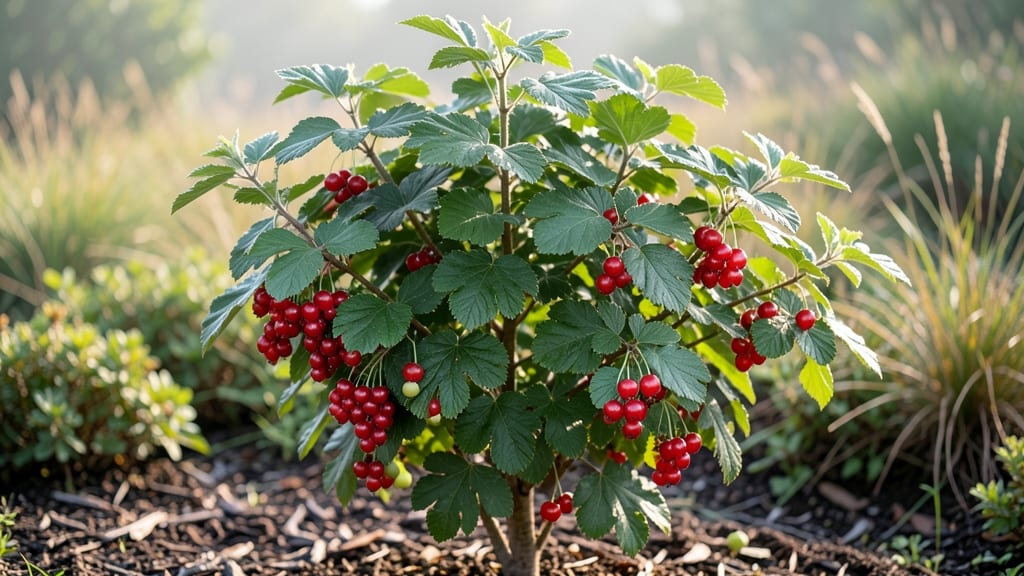
Your red currant bush leaves aren’t just pretty—they’re nature’s pest repellent. 🌿 I’ve watched aphids and sawfly larvae avoid these plants entirely, thanks to their natural chemical defenses. The trick lies in understanding how to keep them healthy so they can do their job protecting your garden.
Most problems start with powdery mildew or leaf spot, often from poor air circulation or wet foliage. Prune for sunlight and space, and avoid overhead watering—those simple steps cut issues by half. The leaves themselves contain compounds that deter pests, but only when the plant is thriving.
You’ll see fewer holes in leaves, stronger growth, and fewer visits from garden pests. The berries stay sweeter too, since the plant isn’t fighting off stress. It’s a two-for-one benefit: healthier plants and a natural pest barrier.
Works for backyard bushes, container plants, or even small-space gardens. Here’s how to keep those leaves working their magic all season.
Understanding Leaf Stress Factors
When your red currant bush starts showing signs of distress—yellowing, curling, or spotted leaves—it’s often a cry for help from the plant itself. Understanding the root causes behind these symptoms is key to restoring your bush’s health.
Below, we break down the most common reasons why leaves may deteriorate, from environmental pressures to unseen invaders.
Red currant bushes thrive in moderate climates, but sudden shifts in temperature or harsh weather can wreak havoc on their foliage.
- Frost Damage: Young leaves are particularly vulnerable to late spring frosts. When temperatures dip below 28°F (-2°C), cell membranes rupture, causing leaves to turn brown or black at the edges. Pro tip: Use frost cloths or row covers during late spring to protect emerging leaves. 🌡️
- Heat Stress: Prolonged exposure to temperatures above 85°F (29°C) can lead to scorch, where leaves develop crispy, brown edges. This is common in drought-prone areas or during heatwaves. Solution: Ensure consistent moisture (1–2 inches of water per week) and mulch to retain soil coolness. 💧
- Windburn: Strong, dry winds desiccate leaves, causing them to curl or develop a papery texture. This is especially problematic for new growth, which lacks the protective waxy cuticle of mature leaves. Action: Plant windbreaks or prune bushes to improve airflow. 🌬️
Water is the lifeblood of your red currant bush, but imbalances can lead to leaf problems faster than you’d think.
- Underwatering: Inconsistent watering causes wilting, yellowing, or leaf drop. Red currants have shallow roots, so they need 1–1.5 inches of water weekly. Signs of thirst include dry, brittle leaves and soil pulling away from the pot (if container-grown). Fix: Water deeply at the base, avoiding overhead sprinkling to prevent fungal risks. 🚰
- Overwatering: Soggy soil suffocates roots, leading to yellowing leaves, mold, or root rot. Overwatered bushes often develop leaf spot diseases due to poor drainage. Solution: Amend soil with compost to improve drainage and avoid watering until the top 2 inches of soil are dry. 🌱
- Poor Drainage: Clay-heavy or compacted soil traps excess moisture, creating anaerobic conditions that stunt root growth. Test: Dig a small hole near the bush—if water pools after 30 minutes, amend the soil with perlite or sand. ⛏️
Leaves often reflect what’s missing—or overabundant—in the soil. Red currants are particularly sensitive to imbalances in key nutrients.
| Symptom | Likely Cause | Solution |
|---|---|---|
| Yellowing older leaves (interveinal chlorosis) | Nitrogen deficiency | Apply balanced fertilizer (e.g., 10-10-10) in early spring. Compost or aged manure can also help. 🌿 |
| Purple or red tinges on leaves | Phosphorus deficiency or cool soil temps | Use a phosphate-rich fertilizer (e.g., bone meal) and ensure soil temps are above 50°F (10°C) for absorption. 🔥 |
| Brown, crispy leaf edges | Magnesium deficiency (chlorosis) or salt buildup from over-fertilizing | Apply Epsom salt (1 tbsp per gallon of water) or chelated magnesium. Flush soil with water if salts are suspected. 🧂 |
| Stunted growth with dark green, thick leaves | Excess nitrogen or poor drainage | Reduce fertilizer use and improve soil aeration. Prune to encourage airflow. 🌿✂️ |
While red currant bushes are hardy, they’re not immune to pests and pathogens that target leaves directly.
- Currant Witches’ Broom: Caused by the Taphrina species fungus, this disease twists and stunts new growth, forming dense, broom-like clusters. Prevention: Prune and destroy infected branches immediately, and apply copper fungicide in early spring. 🍄
- Aphids and Spider Mites: These sap-sucking pests cause yellowing, curling, or stippled leaves. Heavy infestations lead to sooty mold (a black fungal growth). Control: Spray with neem oil or introduce ladybugs for biological pest management. 🐞
- Powdery Mildew: A white, powdery coating on leaves reduces photosynthesis. It thrives in humid, shady conditions. Solution: Improve airflow, avoid overhead watering, and apply baking soda spray (1 tsp baking soda + 1 quart water + a drop of soap). 🧴
Pro tip: Always inspect the underside of leaves for early signs of pests or disease—this is where many issues first appear! 🔍
Revive Your Red Currant Bush Leaves
When your red currant bush leaves start looking less than vibrant, the good news is that most issues have simple, organic fixes. Whether it’s pests, disease, or environmental stress, taking action early can save your bush and keep it thriving.
Below, we’ll tackle common problems with practical solutions—no harsh chemicals required!
If tiny invaders are munching on your leaves, don’t panic. These organic methods will help you reclaim your bush without harming pollinators or the soil.
🔥 Aphids & Spider Mites: Blast Them Away
Cause: These sap-sucking pests weaken leaves, causing yellowing, curling, or sticky residue (aphids leave "honeydew"). Fix: - Spray with soapy water 🧼: Mix 1 tsp mild liquid soap (like Castile) with 1 quart water.
Spray leaves thoroughly, focusing on undersides where pests hide. Repeat every 3–4 days until gone. - Introduce beneficial insects 🐞: Ladybugs, lacewings, and parasitic wasps love aphids.
Buy them online or attract them with nectar-rich flowers nearby. - Neem oil treatment 🌿: Mix 1 tbsp neem oil + 1 tsp mild soap in 1 quart water. Spray in the evening to avoid harming bees. Reapply weekly.
Prevention:
- Encourage biodiversity 🌼: Plant marigolds, dill, or fennel nearby—their strong scents repel pests.
- Prune regularly ✂️: Remove heavily infested leaves and dispose of them in a sealed bin (not compost).
🍄 Fungal Issues: Fungus Fighters
Cause: Overwatering, poor airflow, or humidity can lead to powdery mildew, rust, or leaf spot—white fuzz, orange spots, or brown patches. Fix: - Baking soda spray 🧂: Mix 1 tbsp baking soda + 1 tsp soap + 1 quart water.
Spray leaves every 7–10 days. (Test on a small area first to avoid leaf burn.) - Copper fungicide 🛡️: Use an organic copper-based spray (like Bonide Copper Fungicide) as directed. Reapply after rain. - Improve airflow 🌬️: Thin out dense branches and avoid overhead watering.
Water at the base in the morning so leaves dry quickly.
Prevention:
- Space plants properly 📏: Ensure 3–4 feet between bushes for airflow.
- Water wisely 💧: Deep water 1–2 inches into soil, but avoid soggy conditions.
🍂 Yellowing or Wilting Leaves: Nutrient & Care Fixes
Cause: Poor soil, over/under-watering, or nutrient deficiencies can stress your bush. Fix: - Test your soil 📊: Use a DIY kit (available at garden centers) to check pH and nutrient levels.
Red currants prefer slightly acidic soil (pH 5.5–6.5). - Feed with compost or organic fertilizer 🌱: Spread 2–3 inches of compost around the base in early spring.
For a quick boost, use a balanced organic fertilizer (like fish emulsion or seaweed extract). - Adjust watering 💦: Water deeply 1–2 times per week (more in extreme heat). Mulch with straw or wood chips to retain moisture.
Prevention:
- Mulch annually 🌿: Refresh mulch in spring to lock in nutrients and suppress weeds.
- Monitor soil moisture 🌡️: Stick your finger 1–2 inches into soil—if dry, it’s time to water.
🌡️ Environmental Stress: Shield Your Bush
Cause: Heatwaves, frost, or harsh winds can scorch or damage leaves. Fix:
- Shade cloth ☀️: In extreme heat, drape lightweight shade cloth (30–50% coverage) over the bush for a few hours daily.
- Windbreaks 🌬️: Plant a row of tall shrubs (like willow or privet) on the windward side to protect young leaves.
- Frost protection ❄️: Cover bushes with frost cloth or old bedsheets if temperatures dip below 25°F. Remove when temps rise above freezing.
Prevention:
- Choose the right spot 📍: Plant red currants in a location with partial shade (especially in hot climates) and shelter from strong winds.
- Gradual acclimation 🌱: If moving potted bushes, harden them off over 1–2 weeks before transplanting.
- Prune in late winter/early spring ✂️: Remove dead or crossing branches to improve airflow and sunlight penetration.
- Rotate crops 🌱: If growing red currants in the same spot for years, rotate them to prevent soil-borne diseases.
- Harvest regularly 🍇: Picking ripe berries encourages more fruit and keeps the bush productive.
By addressing issues early and using these organic, low-effort solutions, your red currant bush will bounce back stronger than ever. Happy gardening! 🌿💚
Frequently asked questions
Why do red currant bush leaves sometimes develop holes or ragged edges?
Those holes are often caused by currant sawfly larvae, tiny green caterpillars that chew through leaves. They appear in late spring to early summer. Remove heavily infested leaves immediately and introduce parasitic wasps (their natural predator) or use neem oil to deter them.
Can I use red currant bush leaves in cooking or teas?
While the leaves contain natural compounds that repel pests, they're not typically used in cooking due to their slightly bitter, astringent taste. However, some herbalists use them in small amounts for infusions—just steep 1-2 leaves in hot water for 5 minutes max to avoid bitterness.
How do I tell if my red currant bush leaves have powdery mildew?
Check for a white, powdery coating on leaf surfaces, especially on the undersides. The leaves may also yellow and curl. This fungus thrives in humid, shady conditions. Improve airflow by pruning and apply a baking soda spray (1 tsp baking soda + 1 quart water + drop of soap) every 7-10 days.
Are red currant bush leaves toxic to pets or children?
While not highly toxic, red currant leaves contain mildly irritating compounds that may cause stomach upset if ingested in large quantities. Keep pets away from chewing leaves, and supervise children playing near the bush. The berries themselves are safe in moderation, but leaves should be avoided.
What's the best time of year to prune red currant bush leaves for better growth?
Prune in late winter or early spring (before new growth appears) to remove dead, diseased, or crossing branches. This improves airflow and sunlight penetration, helping leaves stay healthier. Avoid heavy pruning in fall as it may stimulate new growth vulnerable to frost damage.