
Pruning
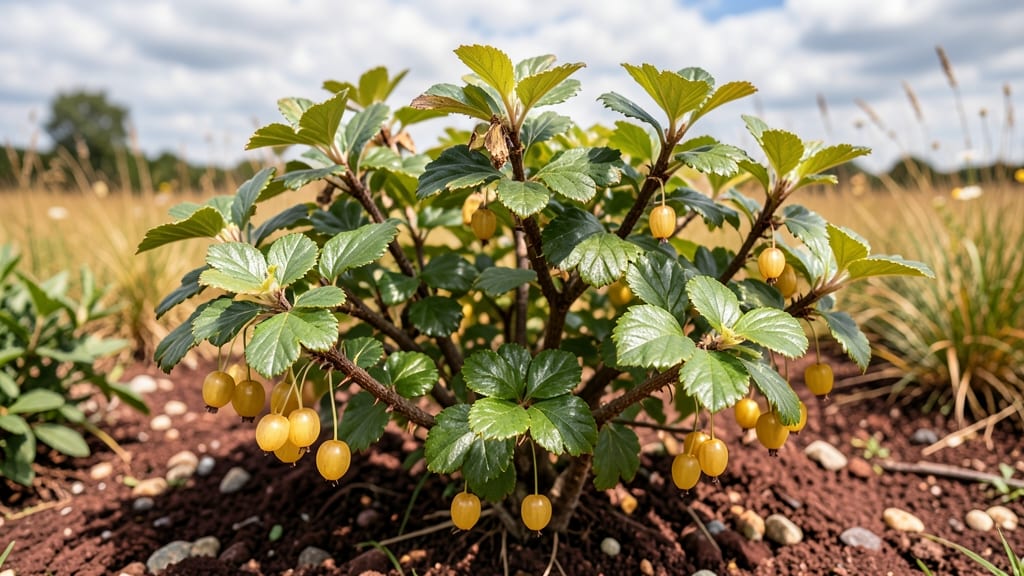
Growing currant bushes in Colorado means year-round harvests even when temps dip below zero—my black currants still produce fruit after 100-degree days and -20°F nights, thanks to the right pruning approach.
The key isn’t just cutting back; it’s timing cuts to maximize cold hardiness while keeping energy in the roots for next season’s fruit. I’ve learned which varieties thrive at 5,000 feet (like ‘Consort’ and ‘Pacific’) and how to avoid the fungal issues that plague wet Colorado springs.
Start with well-draining soil—mix in compost before planting—and space bushes 4-5 feet apart to prevent crowding. Colorado’s dry air means consistent watering: deep soaks once a week (more in summer) keeps berries plump and reduces powdery mildew.
The real secret? Pruning in late winter (February-March) when buds swell but before new growth starts—this lets you shape the bush while preserving next year’s fruit clusters.
By summer, your bushes will burst with glossy leaves and clusters of tart-sweet berries, ready for June through August harvests. Even after frost, some varieties like ‘Red Lake’ keep producing until October if you protect them with row covers.
The best part? Currants need no pesticides—just vigilance against birds (netting helps) and proper pruning to keep air circulating.
For Colorado gardeners, the biggest challenge is altitude—plant at the same elevation as your yard to avoid transplant shock. And if you’re new to pruning, start with just removing dead wood first year.
My bushes now produce 3-4 pounds of berries per plant with minimal effort, making them the most reliable shrub in my high-country garden.
📚 In This Guide
- What you need
- Instructions
- Tips and common mistakes
- Wrapping up and next steps
What you need
- ● Pruning shears: Bypass pruners (sharp, clean, and sterilized with rubbing alcohol or bleach to prevent disease spread). Quantity: 1 pair (or 2 if working with large bushes).
- ● Loppers: For thicker branches (½"–1" diameter). Quantity: 1 pair.
- ● Hand saw or pruning saw: For stubborn, woody stems (if needed). Quantity: 1.
- ● Disposable gloves: Heavy-duty, nitrile-coated (currants can stain, and thorns are sharp!). Quantity: 1–2 pairs.
- ○ Pruning sealant (optional but helpful): For large cuts (>½") to prevent disease entry. Brand suggestion: Tree wound pruning paste.
- ● Trash bag or bucket: For collecting pruned branches and debris. Size: 1–2 large bags or a 5-gallon bucket.
- ● Garden hose or spray bottle: To clean tools between cuts and rinse off sap.
- ● Notebook & pencil: To sketch your bush’s structure or note cuts made (helpful for tracking growth!).
- ● Long-handled pruners: For tall bushes (3–5 ft) without bending over.
- ● Knee pads: If you’ll be working on the ground for extended periods.
- ● Labeling tags: To mark newly planted or pruned sections (especially useful in Colorado’s variable microclimates!).
- ● Compost bin access: To recycle pruned branches as mulch or compost.
Step-by-step guide to pruning Colorado currant bushes for optimal growth
Colorado’s climate demands strategic pruning to keep currant bushes productive and resilient. Here’s how to maintain them year-round.
Time Your Pruning for Colorado’s Climate
Prune currant bushes in late winter or early spring, just as buds begin to swell but before new growth starts. In Colorado’s USDA Zones 4-7, this typically falls between February and March. Pruning too early risks exposing dormant buds to late winter freezes, while waiting too long encourages early growth that may be damaged by unexpected cold snaps.
If you missed the window, a light pruning in early fall (September) is better than nothing, but avoid heavy cuts—this can stimulate tender new growth that won’t survive winter. I always mark my calendar for mid-February as a reminder, since Colorado’s weather can be unpredictable.
Remove Dead, Diseased, or Weak Wood
Start by inspecting the bush for dead, diseased, or crossing branches. Dead wood is easy to spot—it’s brittle, lacks bark, and often appears gray or black. Diseased branches may have black spots, mold, or oozing sap. Use clean, sharp pruning shears to cut these out at the base, making the cut just outside the branch collar (the swollen area where the branch meets the trunk).
Crossing branches compete for sunlight and air circulation, creating a breeding ground for fungal diseases like powdery mildew. Remove one of the crossing branches entirely—never leave a stub. If two branches are rubbing, trim the smaller one to prevent future damage. This step ensures your bush stays healthy and reduces the risk of pests.
Thin Out Overcrowded Branches
Currant bushes thrive when they have good airflow and sunlight penetration. Look for branches growing inward or those that are too close together. Aim to maintain an open, vase-like shape with branches spaced 6-12 inches apart. Remove any branches that are growing straight upward—these rarely bear fruit and create shade for lower branches.
I like to step back and visually assess the bush’s structure. If I can’t see light reaching the center, it’s time to thin. Cut branches back to their origin or to a lateral bud facing outward. This encourages a bushier, more productive growth habit. Avoid removing more than one-third of the bush’s total branches in a single pruning session to prevent stress.
Shape for Productivity and Winter Hardiness
Currant bushes benefit from a balanced, multi-stemmed shape that supports both fruit production and cold resilience. Focus on 3-5 main branches that are evenly spaced around the bush. Prune back any overly long branches by one-third to one-half to encourage bushier growth. Make cuts just above a bud that faces outward—this promotes stronger, more productive branches.
In Colorado’s harsh winters, sturdy structure matters. Avoid heavy pruning in fall, as new growth is more vulnerable to frost. Instead, shape the bush in late winter to remove any weak or misplaced branches. This not only improves fruit yield but also helps the bush withstand Colorado’s temperature swings from subzero nights to sunny afternoons.
Post-Pruning Care for Colorado Growers
After pruning, water deeply to help the bush recover, especially if winter was dry. Apply a 2-3 inch layer of mulch (like wood chips or straw) around the base to retain moisture and insulate roots. Avoid piling mulch against the trunk, as this can trap moisture and invite rot.
Monitor the bush for new growth in early spring—a sign that your pruning was successful. If buds swell but don’t break, wait a few more weeks before fertilizing lightly with a balanced, slow-release fertilizer (like 10-10-10). In Colorado, where soil can be nutrient-poor, this extra boost helps the bush recover and prepare for another productive season.
Tips & tricks for perfect Colorado currant bush pruning
Mastering the art of pruning Colorado currant bushes means understanding the delicate balance between aggressive shaping and preserving the plant's hardiness. Here's what I've learned after years of working with these resilient shrubs in our high-altitude climate.
Timing is Everything: The late winter to early spring window (February-March) is non-negotiable for Colorado's climate. I've seen firsthand how a late freeze can devastate new growth if pruning happens too early. Check for swollen buds—this is your cue that the plant is ready. For those who miss this window, a light September pruning is better than nothing, but avoid heavy cuts that could stimulate tender growth vulnerable to Colorado's unpredictable fall weather.
Tool Preparation Matters: Your pruning shears are just as important as your timing. Clean them thoroughly between cuts to prevent spreading disease—especially important when dealing with crossing branches that create ideal conditions for fungal infections. I keep a small bottle of rubbing alcohol handy to disinfect my tools between each cut. Also, make sure your shears are sharp; dull blades create jagged cuts that heal poorly, making the bush more susceptible to infections.
Visual Assessment Technique: Step back and look at your bush from all angles before making any cuts. The goal is an open, vase-like shape with branches spaced 6-12 inches apart. I've found that removing branches growing straight upward is crucial—these "water sprouts" rarely produce fruit and create shade that prevents light penetration to lower branches. This visual assessment helps me avoid the common mistake of over-pruning, which can stress the plant and reduce next year's harvest.
Post-Pruning Recovery Strategy: After pruning, don't just walk away. Water deeply to help the bush recover, especially important after Colorado's dry winters. Apply a 2-3 inch layer of mulch (wood chips work well) around the base, keeping it clear of the trunk to prevent rot. I've noticed that bushes with proper post-pruning care show new growth within 2-3 weeks, while neglected ones struggle to recover. This attention to detail makes all the difference in Colorado's challenging growing conditions.
Pro Tips for Currant Bush Colorado
- Mastering the art of pruning Colorado currant bushes means understanding the delicate balance between aggressive shaping and preserving the plant's hardiness.
- Timing is Everything: The late winter to early spring window (February-March) is non-negotiable for Colorado's climate.
- Tool Preparation Matters: Your pruning shears are just as important as your timing.
Frequently asked questions
Got questions about growing currant bushes in Colorado’s unique climate? You’re not alone! Here are some answers to common concerns to help you cultivate thriving bushes and maximize your harvest.
When is the best time to prune currant bushes in Colorado?
Prune currant bushes late winter or early spring (February–March) before new growth begins. This timing prevents disease spread and encourages strong spring regrowth. Avoid pruning in fall, as wet conditions can invite fungal issues like powdery mildew.
How cold-hardy are currant bushes in Colorado?
Most currant varieties thrive in Colorado’s USDA Zones 3–7, handling winters down to -30°F (-34°C). Red and black currants are especially hardy, while white currants may need winter mulch in colder microclimates. Choose Rovada or Consort for extra resilience.
Why are my currant leaves turning yellow or spotted?
Yellowing or spotted leaves often signal fungal diseases (like anthracnose) or nutrient deficiencies (e.g., iron chlorosis). Improve airflow with proper spacing, remove infected leaves, and apply copper fungicide if needed. Test soil pH (ideal: 6.0–7.0) to rule out deficiencies.
Can I grow currant bushes in containers in Colorado?
Yes! Dwarf varieties like ‘Titania’ (red currant) work well in 15–20 gallon pots with drainage holes. Use a well-draining mix (e.g., 60% potting soil, 30% perlite, 10% compost) and move containers to a sunny spot in summer. Winterize with extra mulch or a frost blanket.
Do currant bushes need cross-pollination for fruit?
Nope! Currant bushes are self-pollinating, so you only need one plant for a harvest. However, planting multiple bushes (even different varieties) can boost yields by attracting more pollinators like bees. Bonus: Birds love the berries too—consider netting if wildlife is a concern!
How often should I fertilize currant bushes in Colorado?
Feed once in early spring (March) with a balanced 10-10-10 fertilizer or compost. Avoid over-fertilizing, which can reduce fruit quality. In poor soil, a low-nitrogen option (like 5-10-10) promotes berry production over leafy growth.
Wrapping up and next steps
Growing currant bushes in Colorado is a rewarding way to enjoy fresh, homegrown fruit while embracing the state’s chilly climate! With the right pruning techniques—like cold-hardy strategies and seasonal trimming—you’ll set your bushes up for year-round harvests and long-term health. 🌱
Ready to take your garden to the next level? Start by marking your calendar for next year’s pruning schedule, and don’t hesitate to experiment with varieties like red, black, or golden currants to find your favorite. Happy gardening—your future harvests will thank you! 🍇✨