
Pruning
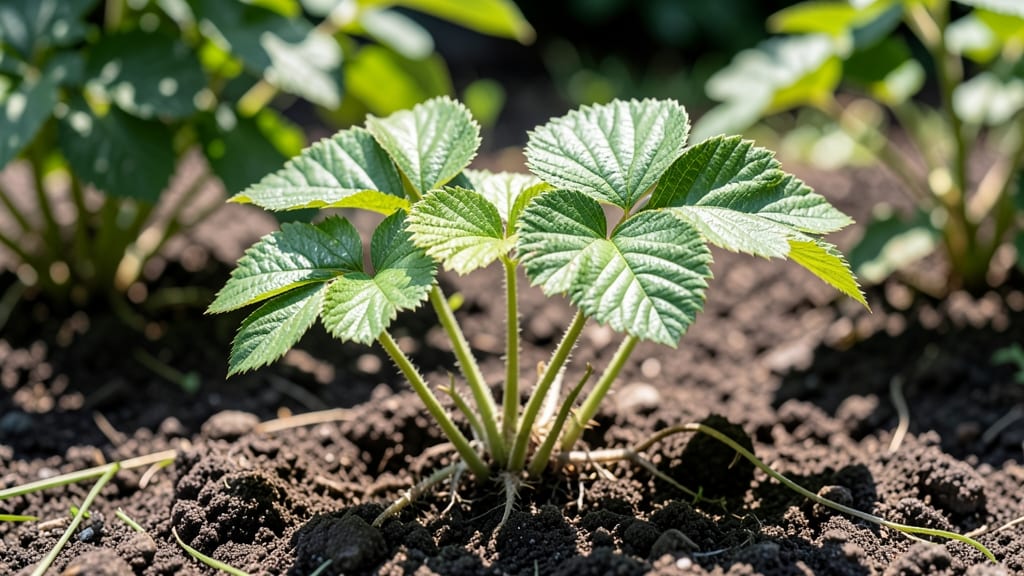
Your raspberry bush sprouts will transform from spindly shoots into a year-round harvest machine with these early-care secrets. 🌱 I learned the hard way that proper spacing, soil prep, and support in the first 90 days determine whether you get a tangled mess or a productive thicket.
Start with loose, well-draining soil rich in organic matter—think compost mixed into the top 12 inches. Plant canes 18 inches apart in rows 6 feet apart, and stake each one immediately with 5-foot supports.
Water deeply twice weekly (more in extreme heat) to encourage strong root growth, but avoid soggy soil. By summer’s end, you’ll see thick, sturdy canes ready for their first real harvest.
The key is consistency: prune suckers aggressively in spring, remove flower clusters the first year, and watch those canes grow like they’re racing for the sky. This method works for both summer-bearing and fall-bearing varieties, and the payoff comes in year two when your bushes explode with fruit.
Let’s get those sprouts off to the right start!
📚 In This Guide
- What you need
- Instructions
- Tips and common mistakes
- Wrapping up and next steps
What you need
- ● Pruning shears or loppers – Sharp, bypass-style blades (4-6 inches long) for clean cuts. Sterilize with rubbing alcohol between cuts to prevent disease.
- ● Gloves – Heavy-duty, thorn-resistant (e.g., leather or reinforced gardening gloves) to protect your hands.
- ● Rake or cultivator – For clearing debris and aerating soil around the base of the bush.
- ● Garden twine or plant ties – 3-5 feet per bush to support new canes if needed.
- ● Organic mulch – Straw, wood chips, or shredded leaves (2-3 inches deep) to retain moisture and suppress weeds.
- ● Fertilizer – Balanced 10-10-10 or slow-release raspberry-specific fertilizer (follow package rates).
- ● Watering can or hose with nozzle – For deep, targeted watering (aim for 1-1.5 inches per week).
- ● Pruning saw – For thick, woody canes that shears can’t handle.
- ● Disinfectant spray – 1 part bleach to 9 parts water to clean tools mid-pruning.
- ● Soil test kit – To check pH (ideal range: 5.5–6.5) and adjust with lime or sulfur if needed.
- ● Plant markers – To label new primocanes (first-year canes) vs. floricanes (fruit-bearing canes).
- ● Compost or worm castings – Boosts soil health and encourages vigorous sprouting.
How to encourage bushier raspberry plants for year-round harvests
Here's the method I use to transform leggy raspberry canes into dense, productive bushes—no fancy tools required.
🌱 Step 1: Prune Last Year's Growth to Stimulate New Sprouts
Start in late winter or early spring, before new growth begins. Using clean, sharp pruners, cut back all last year's canes to the ground—yes, even the ones that produced fruit. This might seem drastic, but it forces the plant to redirect energy into producing multiple new canes instead of just one or two. I always prune on a dry day to prevent disease spread from wet blades.
Look for the thick, woody canes—they're the ones that fruited last season. Thin out any weak, spindly growth while you're at it. You'll see fresh, green growth emerging from the base within a few weeks, and these new canes will be stronger and more productive.
☀️ Step 2: Position for Maximum Sunlight and Airflow
Raspberries thrive in full sun (6-8 hours daily), so move your plants to the sunniest spot in your yard. If you're growing in containers, place them where they'll get morning sun and afternoon shade in hot climates—this prevents leaf scorch. I've found that a south-facing location works best in most regions.
Ensure there's 3-4 feet of space between plants for proper airflow. Crowded plants lead to fungal diseases like powdery mildew, which can devastate your harvest. If you're growing in rows, space them 6-8 feet apart for optimal sunlight penetration to the center of the bed.
💧 Step 3: Water Deeply and Consistently
Water raspberry bushes 1-2 inches per week, either from rainfall or supplemental watering. The key is deep, infrequent watering—this encourages roots to grow deeper into the soil. I water in the morning so the foliage has time to dry before evening, reducing the risk of fungal diseases.
Check soil moisture by sticking your finger 2 inches deep. If it feels dry, it's time to water. Mulch around the base with 2-3 inches of organic mulch (like straw or wood chips) to retain moisture and regulate soil temperature. This also suppresses weeds, which compete for water and nutrients.
✂️ Step 4: Prune Throughout the Growing Season
As the season progresses, keep an eye out for canes that are crossing or rubbing against each other. These should be pruned immediately to prevent damage and disease. Also, remove any suckers that emerge from the base of the plant—these drain energy from your fruiting canes. I prune these with my fingers or small pruners, making clean cuts just above the soil line.
In mid-summer, thin out some of the new canes if they're growing too densely. Aim to keep 6-8 of the strongest, most vigorous canes per plant. This ensures each cane gets enough sunlight and nutrients to produce a good crop. You'll see a noticeable difference in fruit size and yield by harvest time.
🌿 Step 5: Fertilize for Bushier Growth and Better Fruit
Apply a balanced, slow-release fertilizer in early spring, following package instructions. I prefer organic options like compost or a 10-10-10 blend. Avoid high-nitrogen fertilizers—they promote leafy growth at the expense of fruit production. Instead, focus on a fertilizer with equal parts nitrogen, phosphorus, and potassium to support overall plant health and fruiting.
Side-dress with additional compost or a low-nitrogen fertilizer in mid-summer to give the plants a boost as they prepare for fall fruiting. You'll notice stronger, thicker canes and more abundant fruit clusters if you maintain consistent fertilization throughout the growing season.
Tips & tricks for bushier raspberry plants
These small adjustments will transform your raspberry bushes into dense, productive powerhouses that keep giving all year.
Timing Secret: The late winter/early spring pruning in Step 1 is critical—wait until you see the first signs of new growth emerging from the base. If you prune too early, you risk damaging dormant buds. I always check for tiny green shoots peeking through the soil before making my cuts. This timing ensures you're removing last year's canes at the perfect moment when the plant is ready to focus energy on new growth.
Sunlight Strategy: For that crucial 6-8 hours of sunlight in Step 2, monitor your plants' exposure throughout the day. If you notice leaves turning yellow or crispy edges in late afternoon, move them slightly to capture more morning sun. In my experience, a south-facing location with morning sun and afternoon shade works best in hot climates—this prevents leaf scorch while still giving them plenty of light for photosynthesis.
Watering Wisdom: When checking soil moisture 2 inches deep in Step 3, pay attention to how quickly it dries between waterings. Sandy soils will dry faster than clay soils—adjust your 1-2 inch weekly watering to match your soil type. I've found that adding a 2-3 inch layer of organic mulch helps maintain consistent moisture levels, especially during dry spells. This simple layer also regulates soil temperature, which is particularly helpful in hot summers.
Fertilizer Fine-Tuning: The balanced 10-10-10 fertilizer in Step 5 is perfect, but here's the pro move: split your mid-summer application into two smaller doses, about 4-6 weeks apart. This gives the plants a steady nutrient supply as they prepare for fall fruiting, rather than one big boost that gets used up quickly. I also mix in a handful of coffee grounds around each plant—they're rich in nitrogen and help improve soil structure over time.
Pro Tips for Raspberry Bush Sprouts
- These small adjustments will transform your raspberry bushes into dense, productive powerhouses that keep giving all year.
- Timing Secret: The late winter/early spring pruning in Step 1 is critical—wait until you see the first signs of new growth emerging from the base.
- Sunlight Strategy: For that crucial 6-8 hours of sunlight in Step 2, monitor your plants' exposure throughout the day.
Frequently asked questions
Got questions about coaxing those lush, raspberry bush sprouts into a year-round harvest? You’re not alone! Here are answers to the most common queries—from pruning puzzles to troubleshooting woes—so you can keep your bushes thriving.
When is the best time to prune raspberry bushes for maximum sprouts?
Prune floricanes (second-year canes) in late winter or early spring (before buds swell) to encourage new fruiting canes. Summer-prune only to remove diseased or weak growth—never cut back more than ⅓ of the plant at once. Pro tip: Use clean, sharp shears to avoid damage!
Can I still get sprouts if my raspberry bushes are dormant in winter?
Yes! Everbearing varieties (like ‘Heritage’ or ‘Carolina Gold’) can produce fall and spring crops even in cold climates. For winter sprouts, focus on summer-bearing types—prune aggressively in late winter to stimulate early growth. Mulch heavily to protect roots from frost.
What if my raspberry sprouts aren’t growing? Troubleshooting guide.
Yellow leaves?
Check soil pH (ideal: 5.5–6.5) or nutrient deficiencies (add compost or balanced fertilizer).
No new canes?
Thin old canes—overcrowding stunts growth. Aim for 5–7 healthy canes per plant.
Sprouts but no fruit?
Your bushes may be too young (2–3 years) or lack sunlight (6+ hours daily).
Still stuck? Test soil moisture—wilting sprouts often mean underwatering!
Can I propagate raspberry bushes from cuttings or sprouts?
Take 4–6 inch cuttings from healthy canes in early summer, dip in rooting hormone, and plant in moist soil. Keep them shaded and watered until established (3–4 weeks). Alternatively, layer low-growing canes by bending them into trenches and covering with soil.
Are raspberry sprouts edible? Can I eat them like asparagus?
Yes! Young, tender raspberry shoots (especially from summer-bearing varieties) are edible and packed with nutrients. Harvest before leaves unfurl (spring) for the mildest flavor. Blanch and sauté like asparagus, or add raw to salads. Warning: Avoid sprouts from treated plants or those with mildew.
Wrapping up and next steps
Growing a lush, year-round raspberry bush is totally within your reach—just follow the pruning hacks and harvest strategies we’ve shared! With the right tools, timing, and care, you’ll enjoy bushier plants and a longer harvest season than ever before. 🌱
Ready to take action? Start by pruning your bushes this season and keep a simple journal to track growth and harvest patterns. Before you know it, you’ll be the proud owner of a thriving raspberry patch that keeps giving—one berry at a time! 🍓