
Propagation
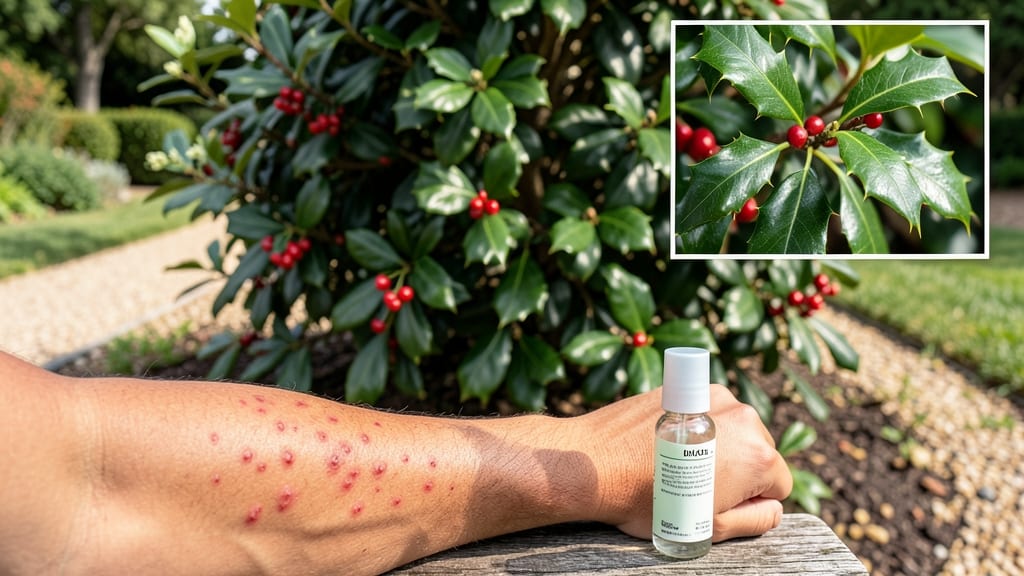
That itchy red rash from holly bush spines is no joke—especially when it ruins your gardening plans. 🌿 The sharp spines and sticky sap trigger allergic reactions in many people, leaving behind welts that won’t quit.
But there’s hope: with the right approach, you can soothe the irritation fast and keep gardening without fear.
The culprits are those tiny, needle-like spines and the plant’s sap, which contain oils that irritate sensitive skin. Even brushing against the leaves can cause a reaction, and holly berries—though pretty—aren’t the main problem.
The good news? Simple first aid and natural remedies can stop the itch and heal the rash in just a few hours.
First, wash the area with cool water and mild soap to remove sap and spines, then apply a paste of baking soda and water or aloe vera gel to calm irritation.
For stubborn rashes, an over-the-counter antihistamine cream works wonders. Prevention is key—wear gloves when handling holly and keep plants away from high-traffic areas.
Once you’ve got the rash under control, you can focus on enjoying your garden again—without the itch. Holly bushes are beautiful, but with these steps, you’ll stay safe and keep your skin happy. Here’s how to handle it like a pro!
The Science Behind Plant Skin Reactions
When you encounter a rash from holly bushes, the culprit isn’t always the spiky leaves or berries—it’s often the plant’s natural chemical defenses. Holly bushes, like many plants, produce compounds to deter herbivores and pathogens.
Unfortunately, these same compounds can trigger skin irritation in humans. Let’s break down the real reasons your skin reacts—and why some people are more vulnerable than others.
Holly bushes contain irritating oils and sap that disrupt the skin’s natural barrier. The most problematic compounds include:
- Triterpenoids: These waxy, resin-like chemicals are found in holly leaves and stems. When they come into contact with skin, they can cause an inflammatory response, leading to redness, itching, and bumps. Think of them as tiny alarms going off in your skin cells, signaling distress.
- Phenolic compounds: Found in holly berries and leaves, these chemicals act as natural pesticides. For sensitive skin, they can trigger contact dermatitis, a delayed allergic reaction that peaks 24–48 hours after exposure.
- Volatile oils: Some holly varieties release aromatic oils that evaporate quickly but leave behind residue. These oils can clog pores or react with sweat, worsening irritation—especially in humid conditions.
Actionable insight: If you’re pruning holly bushes, wear nitrile gloves and avoid touching your face afterward. The oils linger on tools and skin long after the initial contact.
Not everyone reacts to holly, but those with pre-existing allergies may experience a more severe rash. Here’s why:
- Cross-reactivity with other plants: If you’re allergic to poison ivy, oak, or sumac, your immune system might mistake holly’s urushiol-like compounds (found in some species) for these allergens. This can amplify the rash’s intensity.
- Immune system overreaction: In allergic contact dermatitis, your body’s immune cells (like T-cells) mistakenly attack harmless holly compounds, releasing histamine and inflammatory cytokines. This leads to the classic symptoms: redness, swelling, and itching.
- Previous sensitization: Even a minor exposure can prime your skin. If you’ve touched holly before without noticing, a second exposure might trigger a full-blown reaction.
Pro tip: 💡 If you suspect an allergy, see a dermatologist for a patch test. This can confirm whether holly is a true allergen for you—or if another plant is the real culprit.
While the sap and oils get most of the blame, don’t underestimate the physical damage from holly’s sharp spines. Here’s how it works:
- Micro-tears in the skin: Even tiny punctures from spines create entry points for irritants. Once your skin is broken, holly’s chemicals can penetrate deeper, causing localized inflammation and infection risk.
- Scratching worsens the damage: The itch-scratch cycle releases more histamine, which attracts immune cells—turning a mild rash into a raw, oozing mess. (We’ve all been there.)
- Bacterial hitchhikers: Spines can carry dirt, bacteria, or mold from the plant. If a puncture gets infected, you might develop folliculitis (infected hair follicles) or cellulitis (a deeper skin infection).
First-aid hack: 🧴 Clean any holly-induced wounds immediately with mild soap and cool water, then apply an antiseptic ointment (like neosporin) to prevent infection.
Your reaction to holly isn’t just about the plant—it’s also about the conditions that make your skin more susceptible. Heat, sweat, and humidity can turn a mild touch into a full-blown outbreak:
| Factor | How It Worsens the Rash |
|---|---|
| 🔥 Heat | Raises skin temperature, increasing blood flow and inflammation. Holly’s oils also melt into the skin more easily when warm. |
| 💦 Sweat | Dilutes natural skin oils, weakening your barrier. Sweat also traps irritants against the skin, prolonging exposure. |
| 🌧️ Humidity | Softens the outer layer of skin (stratum corneum), making it easier for holly’s compounds to penetrate. |
| ☀️ UV exposure | Weakens skin immunity and increases photosensitivity, making reactions more intense in sunny conditions. |
Smart move: If you’re working with holly in hot weather, take cool showers afterward and apply aloe vera gel to soothe inflammation.
Quick Fixes for Skin Irritation Relief
If you’ve come into contact with a holly bush and now have a pesky rash, don’t panic—relief is just a few steps away! Holly plants contain saponins and prickly spines that can trigger allergic reactions or mechanical irritation.
Below, we’ll break down targeted solutions based on the likely cause of your rash, from immediate soothing to long-term prevention.
If your rash is red, swollen, or itchy, act fast to calm inflammation and stop the discomfort.
💦 Wash Away the Irritants
- Rinse with cool water – Use lukewarm or cool water (not hot) to avoid worsening irritation.
- Gently scrub with mild soap – Use a fragrance-free, hypoallergenic soap (like Dove Sensitive Skin or Cetaphil) to remove residual oils or sap.
- Pat dry with a clean towel – Avoid rubbing; patting prevents further skin damage.
✨ Pro Tip: If you’re outdoors, carry a travel-sized bottle of witch hazel (a natural astringent) to wipe away holly sap on the spot.
🧴 Apply Soothing Topicals
Once clean, reduce itching and redness with:
- Hydrocortisone cream (1%) – Over-the-counter anti-itch cream to lower inflammation.
- Calamine lotion – Dries out blisters and cools the skin.
- Aloe vera gel – Pure, fragrance-free aloe soothes irritation (avoid pre-mixed gels with alcohol).
- Oatmeal paste – Mix colloidal oatmeal with water, apply as a paste, and let sit for 10 minutes before rinsing.
💡 When to See a Doctor:
- If the rash spreads beyond the contact area.
- If you develop blisters, fever, or difficulty breathing (signs of a severe allergic reaction).
If your skin is slightly red but not severely irritated, try these gentle, plant-based solutions:
| Remedy | How to Use | Why It Works |
|---|---|---|
| Apple cider vinegar (ACV) rinse | Mix 1 part ACV with 3 parts water, dab on rash with a cotton ball. | Balances skin pH and reduces itching. |
| Cucumber slices | Place chilled slices on affected areas for 10–15 minutes. | Cools skin and reduces puffiness. |
| Baking soda paste | Mix 1 tbsp baking soda + water into a paste, apply for 5–10 minutes. | Neutralizes irritation and dries weeping. |
🔥 Avoid: Scratching, tight clothing, or harsh scrubs—they can worsen the rash!
The best cure? Stopping contact before it starts! Here’s how to protect your skin:
👗 Wear Protective Gear
- Long sleeves & gloves – Opt for lightweight, breathable fabrics (like moisture-wicking polyester).
- Closed-toe shoes – Holly spines can lodge in sandals, leading to puncture wounds.
- Face shield or hat – If trimming holly bushes, wear a wide-brimmed hat to shield your neck and scalp.
🌿 Choose Low-Risk Holly Varieties
Not all holly is equally irritating! If you love holly plants:
- Avoid prickly species like English Holly (Ilex aquifolium)—opt for smooth-leaved varieties (e.g., Winterberry Holly).
- Wear gloves when handling any holly, even "safe" types, as sap can still cause reactions.
🏡 Keep Holly Away from Play Areas
- Plant holly bushes at least 10 feet away from patios, playgrounds, or pet zones.
- Trim regularly to prevent overgrowth where kids or pets might brush against them.
Most mild holly rashes clear up in 3–7 days with proper care. If irritation persists beyond a week, consult a dermatologist to rule out contact dermatitis or infection.
Final Thought: A little prevention goes a long way—now that you know how to treat and avoid holly rashes, you can enjoy the festive greenery without the itch! 🎄✨
Frequently asked questions
What does a holly bush rash look like?
A holly rash typically appears as red, raised bumps or patches where the skin touched the plant. You might see small blisters or welts near spines, and the area can feel hot or itchy. Unlike poison ivy, holly reactions often show up within minutes to hours rather than days. Look for localized irritation rather than widespread spreading.
Are holly berries toxic if they touch my skin?
Holly berries themselves aren't the main cause of skin rashes—they're more dangerous if ingested. The real culprits are the plant's sap and spines. Berries can stain skin, but their oils may still cause mild irritation in sensitive individuals. Always wash thoroughly after handling holly, especially if children or pets might touch their faces afterward.
How long does a holly bush rash last?
With proper care, most holly rashes clear up in 3-7 days. Mild cases may resolve in just 24-48 hours with immediate washing and soothing treatments. Severe reactions or infections could take 1-2 weeks to fully heal. If redness spreads beyond the contact area or you develop blisters, see a doctor to rule out infection or allergy.
Can I use hydrocortisone cream on a holly rash?
Yes! 1% hydrocortisone cream is excellent for reducing inflammation from holly contact. Apply a thin layer 2-3 times daily to affected areas. For extra relief, combine it with oral antihistamines like Benadryl if itching is severe. Always use fragrance-free products to avoid further irritation.
What should I do if my pet gets a holly rash?
First, wash your pet's skin with mild pet-safe soap and cool water. Apply pet-safe oatmeal shampoo or a thin layer of hydrocortisone cream (0.5% for pets) to soothe irritation. Monitor for excessive scratching or swelling—if symptoms persist beyond 48 hours, consult your vet. Keep holly bushes away from pet areas to prevent future incidents.