
Shrubs
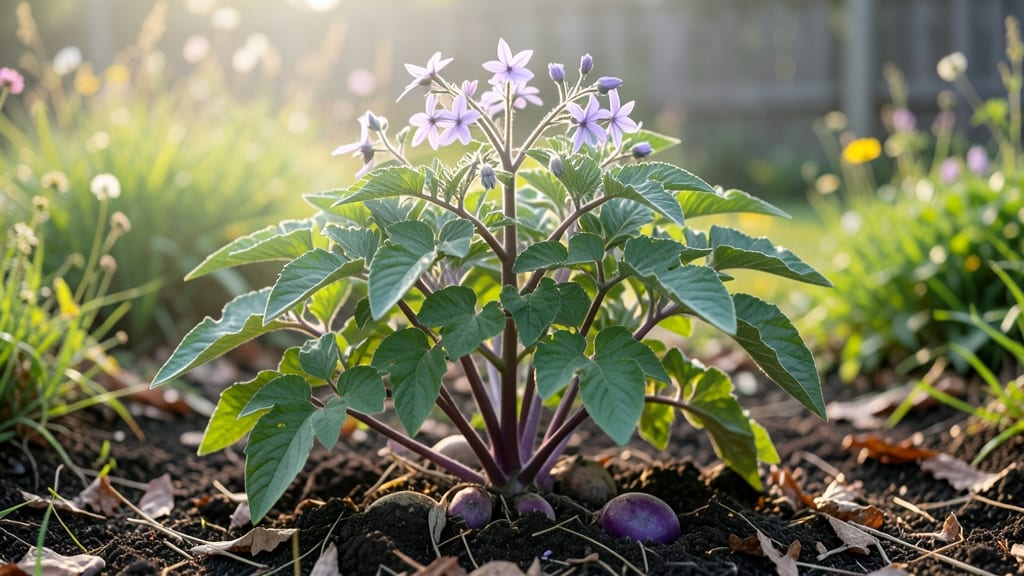
Growing a purple potato bush transforms your garden into a living jewel box. 🌿 This striking shrub isn’t just about its showy purple leaves—it also produces edible (but bitter) berries that birds adore.
The key to success starts with the right spot: bright, indirect light and well-draining soil that mimics its native woodland edges.
You’ll need a container at least 12 inches wide if growing indoors or a sheltered garden bed with afternoon shade in hot climates. Water when the top inch of soil feels dry, but avoid soggy roots—this plant hates wet feet.
Prune lightly after flowering to encourage bushier growth, and watch as those deep purple leaves turn your space into a tropical oasis.
The real magic happens in late summer when clusters of tiny purple berries appear, adding another layer of texture and color. These aren’t for eating (they’re toxic to humans), but they’re a bird magnet.
With proper care, your purple potato bush will thrive for years, rewarding you with lush foliage and seasonal drama.
Perfect for containers, mixed borders, or as a dramatic focal point. Just remember: this isn’t a drought-tolerant plant—keep it consistently moist but never waterlogged. A little extra attention pays off with year-round interest and that coveted "wow" factor in your garden.
📚 In This Guide
- What you need
- Instructions
- Tips and common mistakes
- Wrapping up and next steps
What you need
- ● Purple potato bush plant (seeds, tubers, or cuttings—check local nurseries or online seed banks for varieties like Solanum jasminoides or S. rantonnetii).
- ● Well-draining potting mix or garden soil (amend with compost for nutrient-rich growth).
- ● Containers or garden bed: For containers: 5–10 gallon pots with drainage holes (1 plant per container).
- ● For garden beds: Full sun to partial shade, with at least 3–4 feet of space between plants.
- ● Organic fertilizer (balanced 10-10-10 or slow-release granular fertilizer).
- ● Watering can or hose with gentle spray nozzle (avoid soaking the soil).
- ● Pruning shears (sterilized, for trimming and shaping).
- ● Mulch (straw or shredded leaves to retain moisture).
- ● Plant supports (small stakes or cages if training vines).
- ● pH testing kit (ideal soil pH: 6.0–7.0).
- ● Neem oil or insecticidal soap (for pest prevention).
- ● Gloves (to protect hands from thorny stems).
Step-by-step instructions for growing purple potato bush
Here’s how I grow these stunning shrubs every year—packed with vibrant foliage and edible tubers.
🌱 Step 1: Choose the Right Location and Prepare the Soil
Purple potato bush thrives in full sun to partial shade, with at least 6 hours of sunlight daily. I always pick a spot where it gets morning sun and afternoon shade—this prevents leaf scorch while keeping the foliage vibrant. The soil should be well-draining but rich in organic matter, so I mix in 2-3 inches of compost into the top 12 inches of soil.
Before planting, loosen the soil to a depth of 12-15 inches with a garden fork. This helps roots spread easily and prevents waterlogging, which can rot tubers. If your soil is heavy clay, add a handful of perlite or sand to improve drainage. A slightly acidic to neutral pH (6.0-7.0) works best—test your soil if you’re unsure.
🪴 Step 2: Plant Tubers at the Right Depth and Spacing
Plant tubers 4-6 inches deep and space them 18-24 inches apart in rows 2 feet apart. Each tuber should have at least 2-3 eyes facing upward—these are the growth points. If you’re planting multiple tubers, dig a trench, place them in, then cover with soil. Water gently after planting to settle the soil around the tubers.
Here’s the thing—I always plant tubers with the eyes up, but I’ve seen beginners bury them upside down. The eyes will still sprout, but growth will be slower. If you’re unsure which end is up, plant them horizontally—they’ll figure it out. Mulch with 2-3 inches of straw or shredded leaves to retain moisture and keep roots cool.
☀️ Step 3: Water and Fertilize for Healthy Growth
Water deeply 1-2 times per week, depending on rainfall, until the plants are established. The soil should be moist but not soggy—stick your finger 1-2 inches deep to check. Purple potato bush is drought-tolerant once established, but young plants need consistent moisture. Avoid wetting the foliage to prevent fungal diseases like powdery mildew.
Fertilize lightly in early spring with a balanced 10-10-10 fertilizer or compost. Too much nitrogen will boost foliage at the expense of tubers. I use a slow-release fertilizer to avoid overfeeding. Once flowers appear, reduce watering slightly to encourage tuber development. You’ll know it’s working when the plants produce lush, purple leaves and sturdy stems.
✂️ Step 4: Prune and Maintain for Bountiful Harvests
Prune back leggy stems in early summer to encourage bushier growth. Cut just above a leaf node to promote branching. Deadhead spent flowers to redirect energy into tuber production. I also remove any yellowing or diseased leaves immediately—this keeps the plant healthy and prevents spread.
Harvest tubers in late fall after the first frost, when the foliage turns yellow and dies back. Gently dig around the base of the plant with a fork, being careful not to puncture the tubers. Cure them in a dry, dark place for 1-2 weeks before storing in a cool, dark spot. This process toughens the skin, making them last longer in storage.
⏰ Step 5: Overwinter Tubers for Next Year’s Growth
After harvest, let the tubers dry completely before storing. Place them in a paper bag or mesh sack with a little sand or peat moss to prevent rot. Store in a cool (40-50°F), dark place like a basement or garage. Check occasionally for signs of mold or sprouting—if you see sprouts, replant them in spring.
Real talk: I’ve had tubers last 3-5 years in storage, but some varieties sprout faster. If you notice new growth in winter, it’s time to replant. Purple potato bush is a perennial in warm climates but often grown as an annual in colder areas. Either way, saving tubers ensures you’ll have vibrant foliage and harvests for years to come.
Tips & tricks for perfect purple potato bush growth
These simple strategies will help you cultivate vibrant purple foliage and maximize your tuber harvest every season.
The Sunlight Secret: Purple potato bush thrives with at least 6 hours of daily sunlight—but here's what nobody tells you: morning sun and afternoon shade is the magic combo. I've seen plants burn when exposed to hot afternoon rays, so if you're in a hot climate, consider partial shade in the afternoon. The vibrant purple color actually fades in extreme heat, so this adjustment keeps those stunning leaves looking their best.
Soil Preparation Insight: When loosening soil to 12-15 inches deep, don't just scratch the surface—really work that fork into the earth. I learned this the hard way after planting in shallow soil where tubers struggled to establish. The roots need that depth to spread properly. For heavy clay soil, mix in perlite or sand at the same time you add compost—this creates ideal drainage without compromising moisture retention.
Planting Precision: Those 4-6 inches planting depth and 18-24 inches spacing aren't just numbers—they're critical for airflow and tuber development. I've seen beginners crowd plants too closely, which leads to fungal issues. Pro tip: mark your planting spots with stakes before digging to ensure proper spacing. And yes, those eyes facing upward really do matter—they're the growth points that will become your new plants!
Watering Wisdom: The 1-2 times per week guideline works, but timing matters more than frequency. Water deeply in the morning so foliage has time to dry before evening—this prevents powdery mildew. I've found that mulching with straw creates a moisture barrier that reduces evaporation, meaning I can sometimes stretch watering to every 10 days once plants are established, especially in cooler climates.
Pro Tips for Purple Potato Bush
- These simple strategies will help you cultivate vibrant purple foliage and maximize your tuber harvest every season.
- The Sunlight Secret: Purple potato bush thrives with at least 6 hours of daily sunlight—but here's what nobody tells you: morning sun and afternoon shade is the magic combo.
- Soil Preparation Insight: When loosening soil to 12-15 inches deep, don't just scratch the surface—really work that fork into the earth.
Frequently asked questions
Got questions about growing and caring for your purple potato bush (Solanum rantonnetii)? Here are some of the most common ones—plus quick answers to keep your plant thriving!
How fast does a purple potato bush grow?
A purple potato bush grows moderately fast, typically 12–24 inches per year under ideal conditions. With proper care—like full sun and well-draining soil—you’ll see noticeable growth in just a few months. Prune regularly to encourage bushier, more vibrant foliage!
When is the best time to plant a purple potato bush?
Plant your purple potato bush in spring or early summer after the last frost. This gives roots time to establish before winter. If you’re in a warm climate, fall planting can also work—just avoid extreme heat or cold spells during the first few weeks.
Can I grow a purple potato bush in containers?
Purple potato bushes thrive in large containers (at least 12–18 inches deep) with drainage holes. Use a high-quality potting mix and repot every 2–3 years. Just keep in mind: container-grown plants may need more frequent watering and fertilizing.
What pests or diseases should I watch for?
Common issues include aphids, spider mites, and powdery mildew. To prevent problems, ensure good airflow, avoid overhead watering, and inspect leaves regularly. Neem oil or insecticidal soap can treat pests, while fungicides help with mildew if caught early.
Are the berries edible, or are they toxic?
The berries are toxic if ingested—both raw and cooked. They contain solanine, which can cause nausea or worse. While the foliage is non-toxic, always keep pets and kids away from the plant. Stick to admiring its stunning purple blooms and leaves!
Wrapping up and next steps
Growing a purple potato bush is a rewarding journey that brings vibrant color and delicious harvests to your garden. With the right care—sunlight, well-draining soil, and patience—you’ll enjoy lush foliage and edible tubers that are as nutritious as they are beautiful.
Whether you’re a seasoned gardener or just starting, this striking plant is a fantastic addition to any outdoor space.
Ready to dive in? Start small! Plant a few tubers this season, experiment with companion plants, and watch your garden thrive. Happy growing—your future harvests (and Instagram-worthy foliage) are waiting! 🌱✨