
Shrubs
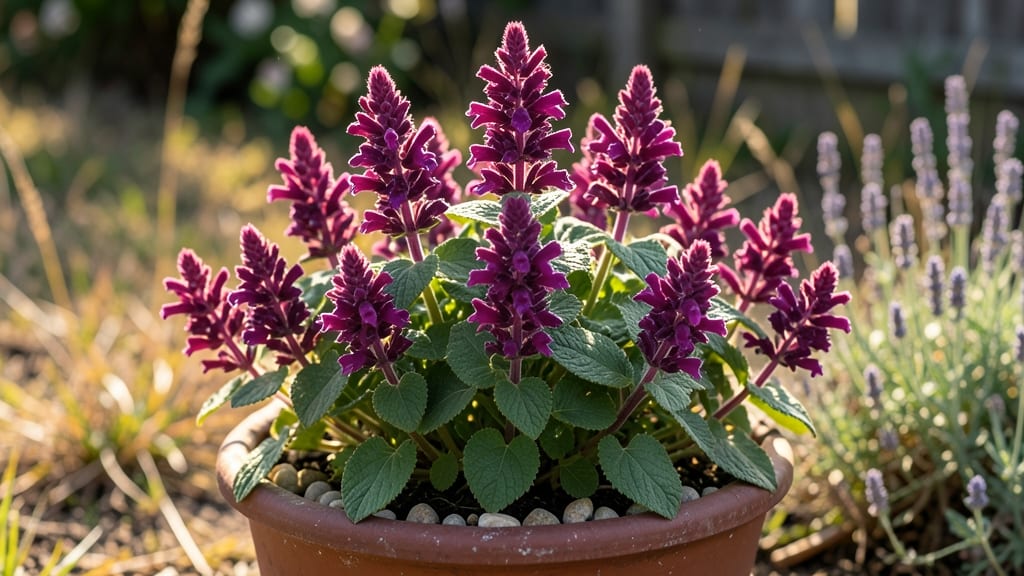
Purple bushes in Texas don't just survive—they thrive with zero fuss and year-round drama. 🌿 My front yard used to be a sunbaked desert until I swapped out thirsty shrubs for drought-smart purple powerhouses like Texas Sage and Purple Smoke Bush.
These beauties bloom in 100°F heat, shrug off drought, and turn my property line into a lush, fragrant privacy screen without a single sprinkler. The secret isn't special soil—it's choosing the right plants for Texas' brutal summers.
Purple Smoke Bush (Celtis laevigata) grows 15-20 feet tall with velvety purple foliage, while Texas Sage (Leucophyllum frutescens) stays compact at 3-6 feet but packs purple flowers that explode after rain. Both handle alkaline soil and require only occasional watering once established.
You'll end up with a living privacy wall that's wildlife-friendly—hummingbirds adore the nectar, and the deep purple hues contrast stunningly with silver-blue foliage like Lantana or Blue Porterweed. The best part?
These bushes multitask: they screen views, reduce noise, and add $10,000+ curb appeal for pennies on the dollar compared to traditional fencing. Works for small yards, large estates, or urban lots—just pick the size that fits your space.
Here's how to make them the stars of your Texas landscape without the upkeep headaches.
📚 In This Guide
- What you need
- Instructions
- Tips and common mistakes
- Wrapping up and next steps
What you need
- ● Drought-resistant purple shrubs: 3–5 plants (e.g., Abelia × grandiflora ‘Kaleidoscope’, Weigela florida ‘Wine & Roses’, or Lantana ‘New Gold’ for bold color). Choose 1–3 ft tall nursery-grown specimens for quick privacy.
- ● High-quality potting soil: 5–10 gallons (mix with compost for better drainage—Texas soil can be heavy!).
- ● Organic mulch: 2–3 bags (cedar or pine for moisture retention and weed suppression).
- ● Slow-release fertilizer: 1–2 lbs (10-10-10 or a Texas-native blend for optimal growth).
- ● Drip irrigation kit or soaker hoses: 50–100 ft (critical for water efficiency in drought-prone areas).
- ● Garden tools: Trowel or hand shovel (for small plants).
- ● Spade or digging bar (for larger shrubs or heavy clay soil).
- ● Pruning shears (sterilized with rubbing alcohol).
- ● Gloves (gardening-grade, cut-resistant for thorns like Lantana).
- ● Safety gear: Closed-toe shoes, sunglasses, and sunscreen (Texas sun is no joke!).
- ● Site prep: Test soil pH (aim for 6.0–7.0; adjust with lime or sulfur if needed).
- ● Mark planting spots with spray paint or stakes (3–6 ft apart for mature size).
- ● Erosion control fabric: For sloped areas or sandy soil.
- ● Plant supports: 3–5 bamboo stakes or cages (for tall varieties like Weigela).
- ● Companion plants: Silver Munroe’s Germander or Salvia greggii for contrast.
- ● Time-saving tools: Wheelbarrow, kneeling pad, or a soil aerator for compacted clay.
How to plant and maintain drought-resistant purple bushes in Texas
Texas heat and drought demand tough, vibrant shrubs—purple varieties like Turk's cap or purple sage thrive with minimal fuss.
🌱 Step 1: Select the Right Purple Shrubs for Your Texas Climate
Texas' USDA Zones 7-10 and hot summers favor native or adapted purple shrubs. Turk's cap (Malvaviscus arboreus) handles 90°F+ with ease, while purple sage (Leucophyllum frutescens) blooms spectacularly after rain. Both tolerate full sun and dry soil once established.
Check local nurseries for disease-resistant varieties—ask for ones labeled "heat-tolerant" or "drought-proof." I always plant four bushes for a full privacy screen, spacing them 8-10 feet apart to allow mature growth. Avoid non-native purple bushes like Lagerstroemia (crape myrtle) unless you're willing to water heavily—they're not true drought survivors.
🪴 Step 2: Prepare the Planting Site for Texas Conditions
Choose a spot with 6+ hours of direct sun—purple shrubs need intense light to maintain their color. Test your soil: Texas clay is common, and it drains poorly, so amend with 3-4 inches of compost mixed into the top 12 inches of soil. This improves aeration without creating soggy roots.
Dig holes twice as wide as the root ball but only as deep—burying too deep suffocates roots. Place each bush so the top of the root ball sits 1 inch above ground level. This prevents water pooling around stems, which causes rot in Texas' humid summers. I like to add a 1-inch layer of gravel at the bottom of each hole to boost drainage further.
☀️ Step 3: Plant and Water Deeply for Texas Heat Establishment
Remove the bush from its container and loosen any circling roots gently with your fingers. Place it in the hole, backfill with native soil (no amendments here), and tamp lightly. Water deeply until the soil 12 inches down is thoroughly moist—this encourages roots to grow downward, where Texas heat is least intense.
Mulch with 2-3 inches of shredded bark, keeping it 6 inches away from the stem to prevent moisture buildup. In Texas, mulch isn’t just for looks—it retains moisture and regulates soil temperature. Water again after mulching to settle everything. For the first 4-6 weeks, water once a week unless rain falls, but never let soil stay soggy—purple shrubs hate wet feet.
✂️ Step 4: Prune for Shape and Encourage Dense Growth
Prune late winter or early spring (February-March) before new growth starts. Remove dead or crossing branches first, then shape by cutting back overly leggy stems to just above a leaf node. Purple shrubs bloom on new wood, so avoid heavy pruning after mid-summer—you’ll sacrifice next year’s flowers.
I never cut more than one-third of the bush at once. Texas heat stresses plants, and aggressive pruning invites pests. Instead, lightly trim throughout the year to encourage bushier growth. After pruning, apply a balanced 10-10-10 fertilizer (half the recommended dose) to support recovery—purple shrubs don’t need much, but a little boost helps them thrive in Texas’ nutrient-poor soils.
💧 Step 5: Maintain for Year-Round Color and Drought Resistance
Once established (after 1-2 years), these shrubs need almost no water—Texas rainfall is usually enough. But during prolonged droughts, water every 3-4 weeks at the base, not overhead. Purple sage, in particular, blooms after rain, so a deep soak once a month keeps it flowering reliably.
Watch for aphids or spider mites—they love Texas heat and can defoliate bushes quickly. Spray with neem oil at the first sign of pests. I also monitor for powdery mildew (white fuzzy spots) and treat it immediately with baking soda spray (1 tbsp baking soda + 1 quart water + a drop of dish soap). With minimal care, your purple screen will stay vibrant through Texas winters and scorching summers.
Tips & tricks for perfect purple bushes in Texas landscapes
Between us, these purple shrubs are the unsung heroes of Texas landscaping—they handle heat like champions and still look stunning. Here’s how to get the most out of them without breaking a sweat.
Soil Prep Secret: Texas clay can be a nightmare, but the 3-4 inches of compost mixed into the top 12 inches of soil isn’t just about drainage—it’s about creating a sponge-like environment that holds moisture while preventing compaction. I’ve found that adding a handful of gypsum to the compost mix (about 1 cup per hole) helps break up clay even faster, giving roots room to breathe right from the start. This is especially important in Step 2 when preparing your planting site.
Watering Wisdom: Those first 4-6 weeks are critical, so don’t rely on your watering schedule alone—stick your finger 2 inches into the soil. If it feels dry, water again. Overwatering is just as deadly as underwatering in Texas heat, and you’ll know you’ve nailed it when water runs out the bottom of the hole during that deep watering in Step 3. Think of it as giving your bushes a strong foundation before they hit their drought-resistant stride.
Pruning Like a Pro: When you’re shaping those leggy stems in Step 4, focus on creating an open center—this allows air to circulate and prevents fungal issues. I like to use sharp, clean pruners and make cuts at a 45-degree angle just above a leaf node. This not only encourages bushier growth but also reduces the risk of disease. And remember, those purple blooms come from new wood, so timing is everything—late winter or early spring is your window.
Pest Prevention: Texas heat attracts pests, but you can outsmart them. The neem oil spray mentioned in Step 5 works wonders, but I’ve found that applying a thin layer of diatomaceous earth around the base of each bush (about 1 inch wide) creates a natural barrier against aphids and spider mites. Just reapply after rain—it’s non-toxic but needs to stay dry to work. This simple step can save you from dealing with defoliated bushes later.
Pro Tips for Purple Bushes In Texas
- Between us, these purple shrubs are the unsung heroes of Texas landscaping—they handle heat like champions and still look stunning.
- I’ve found that adding a handful of gypsum to the compost mix (about 1 cup per hole) helps break up clay even faster, giving roots room to breathe right from the start.
- Watering Wisdom: Those first 4-6 weeks are critical, so don’t rely on your watering schedule alone—stick your finger 2 inches into the soil.
Frequently asked questions
Got questions about growing purple bushes in Texas?
Here are answers to the most common ones to help you create a stunning, low-maintenance privacy screen!
What are the best purple bushes for Texas that thrive in drought conditions?
Top picks include Texas Sage (Leucophyllum frutescens), Dwarf Plumbago (Plumbago auriculata), and Cenizo (Leucophyllum candidum). These native shrubs love Texas heat, need minimal water once established, and burst with purple blooms—especially after rain!
How long does it take for purple bushes to grow into a privacy screen?
Most purple shrubs grow 1–2 feet per year. A 6-foot-tall screen typically takes 3–5 years to mature, depending on the variety. For faster results, plant multiple shrubs in a staggered row or choose faster-growing options like Dwarf Plumbago (which can reach 3–4 feet in 2–3 years).
Do purple bushes in Texas need special watering during droughts?
Once established (1–2 years), most purple bushes are drought-tolerant! Water deeply 1–2 times per week during the first year, then reduce to every 2–3 weeks (or when soil feels dry). Mulching helps retain moisture—just keep it 2–3 inches away from the stem to prevent rot.
Can I mix purple bushes with other colors for a more vibrant privacy screen?
Pair purple bushes with salvia (red/pink), yaupon holly (red berries), or Texas Betony (lavender) for a layered, multi-colored effect. Just ensure they share similar water and sunlight needs—most Texas natives play well together!
Are purple bushes in Texas prone to pests or diseases?
Texas-native purple bushes are highly resistant to pests and diseases! However, watch for aphids (spray with water) or fungus if leaves stay wet too long. Prune for airflow, and avoid overwatering. If you spot issues, neem oil is a safe, natural fix.
What’s the best time to prune purple bushes in Texas?
Prune right after blooming (late spring/early summer) to encourage new growth and more flowers. Avoid heavy pruning in fall/winter—it removes next year’s blooms! For shaping, use clean shears and remove no more than 1/3 of the plant at a time.
Will purple bushes survive Texas freezes?
Most Texas-native purple bushes are cold-hardy (down to 10–15°F), but young plants may need mulch or frost cloth for extra protection. Texas Sage and Cenizo are especially tough—just avoid pruning until after the last frost (typically late February–March).
Wrapping up and next steps
Transforming your Texas landscape with purple bushes isn’t just about beauty—it’s about creating a low-maintenance, vibrant privacy screen that thrives even in drought conditions.
Whether you’re drawn to the bold hues of Texas Sage or the delicate blooms of Dwarf Plumbago, these shrubs offer year-round color with minimal fuss. 🌿✨
Ready to take the next step? Start by sketching a rough layout of your space, then visit a local nursery to compare varieties in person. With the right purple bushes, your Texas yard will be a stunning, resilient retreat that turns heads—and keeps the heat at bay!