
Pruning
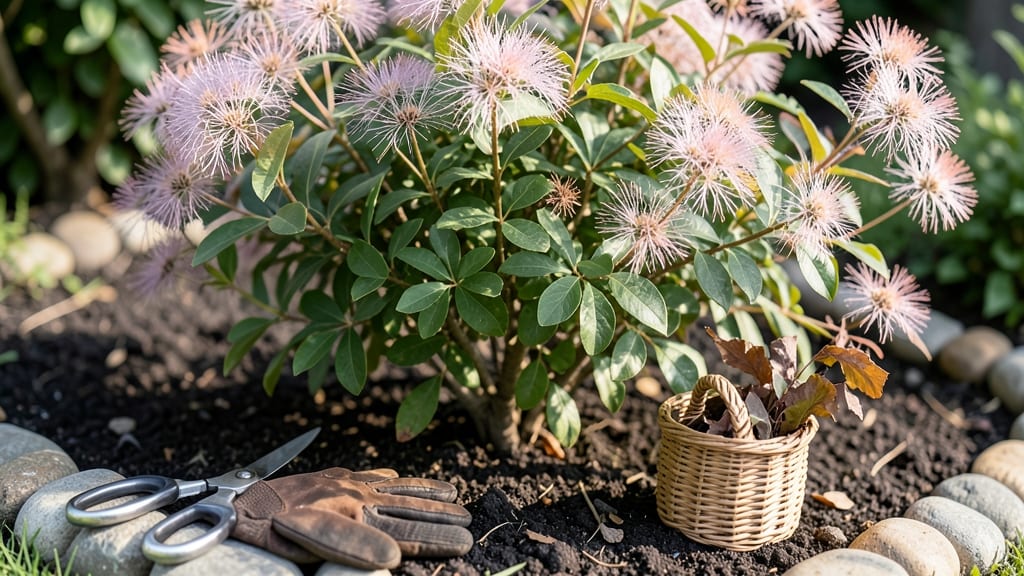
You can prune smoke bush in the fall, but only light shaping is recommended after leaf drop to avoid stimulating new growth before winter. Heavy pruning should wait until late winter or early spring to prevent frost damage to fresh cuts.
Fall pruning of smoke bush is possible, but timing and technique are critical to avoid stressing the plant. 🌿 The key is waiting until after the leaves have fully dropped—typically in late fall—so you don’t disrupt the plant’s natural dormancy cycle.
Light shaping helps maintain the bush’s form without encouraging tender new growth that could be damaged by frost.
For best results, focus on removing only dead, diseased, or crossing branches during this season. Heavy pruning should be saved for late winter or early spring when the plant is still dormant but before active growth begins.
This approach ensures your smoke bush enters and exits winter in optimal condition, ready to thrive when spring arrives.
💡 In This Article
- Why Fall Pruning Risks Harming Smoke Bush Growth
- Step-by-Step Fall Pruning Guide for Smoke Bush
Why fall pruning risks harming smoke bush growth
Smoke bush (Cotinus spp.) enters dormancy in late fall as temperatures drop, a natural survival mechanism that slows metabolic processes and conserves energy. When you prune during this transition period, you disrupt this delicate balance.
The plant perceives cuts as wounds that need immediate healing, which triggers the production of new growth hormones. This new growth is tender and vulnerable to frost damage, especially in colder climates where temperatures can plummet below 20°F.
The real issue lies in the plant's sap flow. In fall, the movement of nutrients and water slows significantly, but it doesn't stop entirely. Pruning creates open wounds that can still "bleed" sap, weakening the plant further.
This is particularly problematic for smoke bush, which has a moderate growth rate and relies on stored energy reserves to survive winter. Heavy pruning in fall can deplete these reserves prematurely, leaving the plant struggling to recover when spring arrives. 🌬️
Compare this to late-winter pruning (typically February-March in most regions), when the plant remains dormant but hasn't yet broken dormancy. At this stage, the plant is better equipped to handle stress because its energy reserves are intact and new growth won't be stimulated until temperatures consistently stay above 40°F.
The risk of frost damage is also minimized since the plant is still hardened off from winter.
Another critical factor is disease risk. Fall-pruned cuts have more time to sit exposed over winter, making them prime targets for fungal infections. Smoke bush is generally disease-resistant, but stressed plants are more susceptible.
Wet fall conditions (common in many climates) create ideal environments for pathogens to enter through fresh cuts, potentially leading to branch dieback or even plant decline.
Consider this scenario: A smoke bush in Zone 5 (where winters can drop below -15°F) pruned heavily in November might produce tender new growth by December. When a -10°F freeze hits, those new shoots will crisp and die back, creating unsightly stubs.
The plant then has to expend energy regrowing in spring, often resulting in weaker foliage and reduced flowering the following season.
For optimal results, limit fall pruning to 10-15% of the plant's volume, focusing only on dead, diseased, or safety-hazard branches. This minimal approach maintains the plant's natural form while allowing it to enter winter in the best possible condition.
The trade-off is worth it for a plant that can live for decades with proper care.