
Pruning
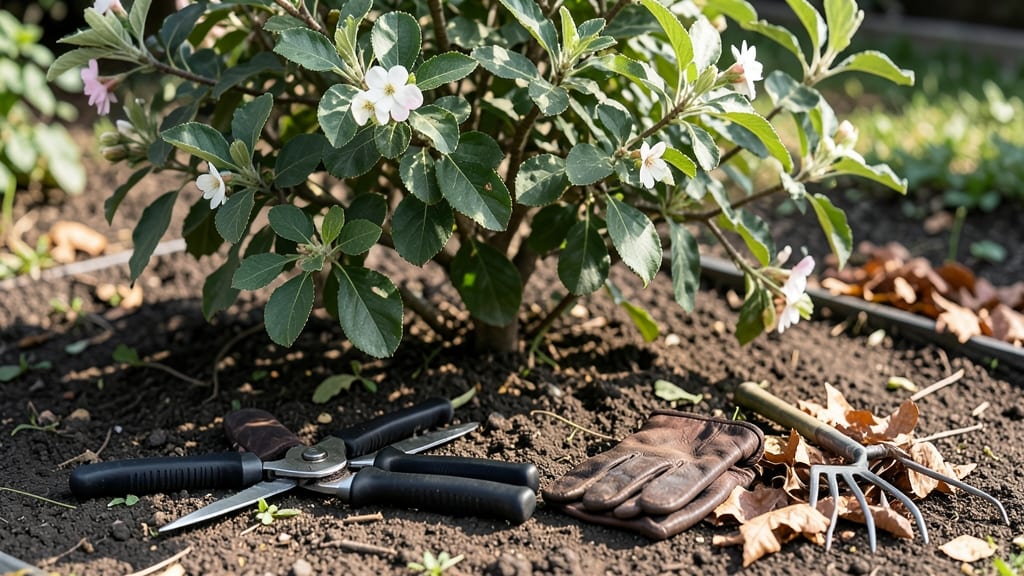
Pruning quince bushes transforms tangled thorns into a productive, fruit-laden shape—if you know when and how to cut. 🌿 I’ve spent years wrestling with these spiky shrubs, and the difference between a messy thicket and a well-behaved bush comes down to timing, technique, and patience.
Quince bushes reward careful pruning with better airflow, more sunlight for fruit, and fewer pests lurking in dense branches.
The best time to prune is late winter or early spring, just as buds swell but before new growth starts. You’ll need sharp bypass pruners, heavy-duty gloves (those thorns are no joke), and a clean saw for thicker branches.
Start by removing dead, diseased, or crossing branches—these are the first to go, as they drain energy from your bush. Next, thin out crowded areas to let light reach the center, where most fruit forms.
After pruning, your quince bush will look skeletal but purposeful—like a artist’s sketch before the final strokes. Fertilize lightly in early spring with balanced 10-10-10 to encourage new growth, then mulch around the base to retain moisture.
Watch for suckers (shoots at the base) and remove them promptly—they steal energy from your fruit-bearing branches. Within a season, you’ll see thicker canes, more blooms, and sweeter fruit than before.
Quince bushes are tough but finicky—over-prune, and you’ll stunt fruit production; skip it, and you’ll end up with a thorny jungle. The key is gradual shaping: never remove more than one-third of the bush in a single year.
With practice, your quince will become the neat, productive shrub you’ve always wanted—no more apologizing for the "wild" look. Let’s get those branches in line!
📚 In This Guide
- What you need
- Instructions
- Tips and common mistakes
- Wrapping up and next steps
What you need
- ● Pruning shears: Sharp, bypass-style shears (4–6 inches) for clean cuts. (1 pair required)
- ● Loppers: Heavy-duty, bypass or anvil (16–24 inches) for thicker branches. (1 pair recommended)
- ● Pruning saw: Curved-tooth saw for branches thicker than 2 inches. (1 required for large quince bushes)
- ● Gloves: Heavy-duty, cut-resistant (e.g., leather or reinforced fabric) to protect from thorns. (1 pair)
- ● Disinfectant: 70% isopropyl alcohol or a 10% bleach solution to sterilize tools between cuts. (Small bottle or spray)
- ○ Rubbing alcohol or hand sanitizer: For cleaning minor cuts or sap exposure. (Optional but handy!)
- ● Safety gear: Sunglasses (UV protection) and long sleeves/pants (thorn protection). (Highly recommended!)
- ● Ladder or stool: If your quince bush exceeds 6 feet tall. (Adjustable or sturdy step ladder preferred)
- ● Trash bags or bucket: For collecting pruned branches and debris. (1–2 large bags or a 5-gallon bucket)
- ○ Marking twine or flags: To tag branches for removal (optional but helpful for complex pruning). (Colored twine or small stakes)
- ○ Pruning sealant: Wound dressing (e.g., tree paint) for large cuts (optional; only for cuts > ½ inch in diameter)
- ● Weather check: Prune on a dry, calm day to avoid spreading disease or making cuts in wet wood.
Instructions for pruning quince bushes year-round
Mastering quince pruning transforms wild, tangled growth into a structured, productive shrub.
✂️ Step 1: Prune for Structure in Late Winter
Start your quince pruning in late winter (February-March) while the plant is still dormant. This timing prevents disease spread and gives you a clear view of the branch structure. I always begin by removing any dead, diseased, or crossing branches—these compete for energy and create entry points for pests.
Use clean, sharp pruning shears to make cuts just outside the branch collar (the swollen area where the branch meets the trunk). This ensures proper healing. For larger branches, I step back and visualize the open center—quince bushes thrive with an airy, vase-like shape that allows sunlight to reach all branches.
🌿 Step 2: Light Summer Pruning After Flowering
After the quince blooms in late spring, perform a second pruning to shape the bush and encourage new growth. Look for branches that are growing inward or rubbing against others—these should be removed immediately to prevent damage. I also trim back any overly long branches by about one-third to maintain balance.
This is also the time to address any suckers (shoots growing from the base) or water sprouts (vertical shoots with no leaves). Quince responds well to pruning in summer, so don't hesitate to shape it aggressively. Just avoid cutting into old wood—quince flowers and fruits form on new growth, so focus on the current season's branches.
⏰ Step 3: Minimal Fall Cleanup Before Dormancy
In early fall, do a final light pruning to remove any remaining dead or crossing branches and tidy up the shape. Avoid heavy pruning now—quince needs time to prepare for winter. I also remove any fruit that hasn't ripened, as it can drain energy from the plant before dormancy.
This step is more about maintenance than shaping. Remove any diseased leaves or branches that might harbor pathogens over winter. A quick cleanup now prevents problems next spring. I like to finish by giving the bush a light watering to help it establish before the colder months.
🌱 Step 4: Year-Round Monitoring and Adjustments
Throughout the year, keep an eye on your quince bush for any signs of stress or disease. Prune out any suckers or water sprouts as they appear—don't wait for them to become unmanageable. I also check for any branches that are growing too close together and prune them back slightly to maintain airflow.
Quince bushes are surprisingly resilient, but they do need regular attention to stay healthy. If you notice any signs of disease (like black spot or powdery mildew), prune affected areas immediately and dispose of the clippings in the trash—not the compost. A little preventative pruning now saves a lot of work later.
Tips & tricks for perfect quince bush pruning
Here's what nobody tells you about keeping your quince thriving—these are the details that separate a tangled mess from a showstopping shrub.
The Timing Secret: Late winter pruning (February-March) isn't just about dormancy—it's about disease prevention. Cold temperatures slow fungal spores, so you're not spreading pathogens through fresh cuts. I've seen quince bushes go from healthy to blighted in one season simply because pruning happened too late in spring when diseases were active. Mark your calendar now for February!
Branch Collar Technique: That swollen area where branches meet the trunk isn't just decoration—it's the plant's natural healing zone. When you cut just outside this collar in Step 1, you're giving the quince its best chance to seal the wound. I learned this the hard way after seeing branches die back from cuts made too close to the trunk. Think of it as the plant's bandage—don't remove it!
Summer Pruning Strategy: The one-third reduction in Step 2 isn't arbitrary—it's based on how quince responds to stress. Cutting back too much shocks the plant, while too little leaves you with a crowded mess. Here's my trick: after trimming, hold the branch between your fingers and check for light passing through. If you can see daylight through the center, you've got the right balance. This visual cue works every time.
Fall Prevention: That final cleanup in early fall isn't just about tidiness—it's about energy conservation. Unripe fruit left on the bush steals nutrients the plant needs to harden off for winter. I've seen quince bushes struggle through harsh winters because they were still supporting green fruit. Remove any fruit that hasn't fully ripened by late summer, and you'll notice stronger growth next spring. The bush will thank you with bigger blooms!
Pro Tips for Pruning Quince Bush
- Here's what nobody tells you about keeping your quince thriving—these are the details that separate a tangled mess from a showstopping shrub.
- The Timing Secret: Late winter pruning (February-March) isn't just about dormancy—it's about disease prevention.
- Branch Collar Technique: That swollen area where branches meet the trunk isn't just decoration—it's the plant's natural healing zone.
Frequently asked questions
Got questions about pruning your quince bush? You’re not alone! Here are some of the most common concerns—plus straightforward answers to keep your plant thriving.
When is the best time to prune a quince bush?
The ideal time is late winter or early spring (just before buds swell), but you can also prune after harvest (late summer) to shape the bush. Avoid heavy pruning in fall—it can stimulate new growth that won’t harden off before winter. Pro tip: If your quince blooms early, wait until after flowering to avoid cutting off potential fruit.
How much can I prune a quince bush without harming it?
Quince bushes are tough but benefit from moderate pruning. Remove up to 1/3 of the plant’s oldest wood annually to encourage new growth. Over-pruning (more than 25-30%) can stress the bush, reducing fruit production. Focus on dead, diseased, or crossing branches first—these take priority over shaping.
Why does my quince bush bleed sap after pruning?
That sticky, milky sap is normal! Quince trees (and many fruit bushes) bleed when pruned in cold weather. It won’t harm the plant, but to minimize mess, prune on warmer days (above 40°F) or after buds break. Seal larger cuts with pruning sealant if you’re concerned about pests entering the wound.
Can I prune a quince bush in summer for better fruit?
Yes, but lightly! Summer pruning (after harvest) helps air circulation and reduces disease risk. Focus on thinning out crowded branches or shaping the bush—avoid heavy cuts. If you prune too aggressively in summer, you might stimulate late-season growth that won’t mature before frost.
What if I missed the pruning window—can I still fix it?
Don’t panic! You can prune anytime the plant isn’t dormant (avoid deep winter). Just adjust your approach:
- Spring/summer: Prioritize dead wood and shaping.
- Fall (before frost): Focus on light maintenance—no major cuts.
Wrapping up and next steps
Pruning your quince bush doesn’t have to be intimidating—it’s all about timing, technique, and a little patience. By following seasonal guidelines and keeping your tools sharp, you’ll encourage lush growth, better fruit production, and a beautifully shaped shrub.
Whether you’re a seasoned gardener or just starting out, every snip brings you closer to a thriving quince bush!
Ready to take the next step? Grab your pruners, mark your calendar for the next pruning window, and enjoy the rewarding process of nurturing your quince. Happy pruning! 🌿✂️