
Pruning
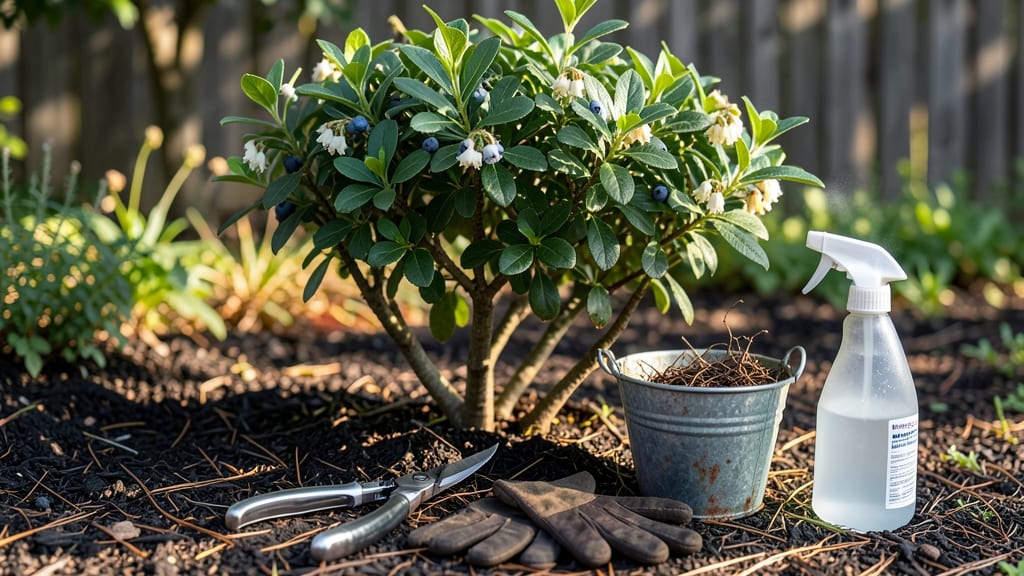
Pruning highbush blueberry bushes isn't just about shaping—it's the secret to bigger harvests every year. 🌿 I learned this the hard way after my first bush produced a measly handful of berries, while my neighbor’s plants were bursting with fruit.
The difference? She pruned like a pro, and I... well, let’s just say I needed a crash course.
Timing matters most—do it right after harvest (late summer) to let new growth harden before winter, then again in late winter when the plant is dormant. You’ll need sharp pruners, a pair of gloves, and a clear day to see the branches.
The goal is to open up the center for sunlight and air, which means cutting out old wood, crossing branches, and thinning crowded stems.
What you’ll end up with is a bush that produces 2-3 times more berries than before, with fewer diseases and stronger growth. The berries themselves grow larger, sweeter, and ripen more evenly. Plus, your bushes will live longer—some highbush varieties can fruit for 50+ years with proper care.
This method works for any highbush variety, whether you’re growing in containers or full sun. The key is consistency—skip a year, and you’ll lose that competitive edge. Ready to transform your bushes into fruit machines? Let’s get started.
📚 In This Guide
- What you need
- Instructions
- Tips and common mistakes
- Wrapping up and next steps
What you need
- ● Pruning shears: Bypass pruners (sharp, clean, and capable of cutting ¼-inch thick branches). Quantity: 1 pair (or 2 if working with large bushes).
- ● Loppers: For thicker branches (½-inch to 1-inch diameter). Quantity: 1 pair.
- ○ Hand saw: For stubborn, woody stems (1-inch+ diameter). Quantity: 1 (optional but handy).
- ● Disposable gloves: Nitrile or leather (to protect against thorns and bacteria). Quantity: 1 pair.
- ● Rubbing alcohol (70% or higher): For sterilizing tools between cuts (small bottle).
- ● Plastic bags or bucket: For collecting pruned branches (1-2 large bags or a 5-gallon bucket).
- ● Sharpie or marker: For labeling branches if grafting or identifying scion wood (1 permanent marker).
- ● Pruning saw: For precision cuts on very thick wood.
- ● Knee pads or stool: If your bushes are tall or you’re working for extended periods.
- ● Hose or spray bottle: To clean tools mid-pruning and rinse off sap.
- ● Compost bin access: For disposing of pruned branches (they’re great for mulch!).
- ● Sun protection: Hat, sunscreen, and long sleeves (blueberry bushes can be thorny!).
Instructions for pruning highbush blueberry bushes
Here's the straightforward approach I use to keep my blueberry bushes thriving year after year.
✂️ Step 1: Prune in Late Winter or Early Spring
Timing matters most—wait until 2-4 weeks before your last frost date when the bushes are still dormant. This ensures you remove dead wood without disturbing new growth. I always prune on a dry, sunny day when the branches are easier to see and cut cleanly.
Start by removing any dead, diseased, or crossing branches first. These are your top priorities—they compete with healthy growth and can spread problems. Use sharp pruning shears to make clean cuts just above a bud or lateral branch. Avoid leaving stubs, as they invite rot and pests.
🌿 Step 2: Thin Out Old and Overcrowded Branches
Focus on branches that are older than 5 years—these produce fewer berries and take resources from younger, more productive wood. I look for branches that are thicker than a pencil and remove about 20-30% of the oldest wood each year. This keeps the bush balanced and encourages new, fruiting canes.
Also remove any branches growing inward or rubbing against others. These create wounds that weaken the plant and can lead to infections. Step back occasionally to visualize the bush's shape—you want an open center that allows sunlight and air to reach all branches.
☀️ Step 3: Shape for Optimal Sunlight and Airflow
Blueberries need full sun (6+ hours daily), so prune to create an open, vase-like shape. Start by cutting back any branches that are growing straight up—these cast too much shade on lower branches. Instead, encourage a rounded, outward growth pattern by targeting branches that grow inward or downward.
Leave the most vigorous, upright branches as your main framework. These will support the weight of fruit and produce the best harvest. Avoid over-thinning—you want to maintain a dense enough canopy to protect berries from birds and excessive sun exposure.
⏰ Step 4: Light Summer Pruning After Harvest
Once the berries are picked, do a quick check for any suckers (shoots growing from the base) or water sprouts (fast-growing vertical shoots). These compete with the main plant and should be removed immediately. Use your fingers or small pruners to snap them off cleanly at the base.
This light pruning keeps the bush tidy and prevents overcrowding. It’s also a great time to check for any damaged or diseased branches that may have appeared during the growing season. Remove these promptly to protect the plant’s health for next year.
✂️ Step 5: Sanitize Tools and Monitor Recovery
After pruning, wipe your shears with rubbing alcohol to prevent spreading disease between cuts. This is a simple step that makes a big difference in keeping your bushes healthy. Store your tools in a dry place until next year’s pruning season.
Watch your bushes closely over the next few weeks. You’ll see new growth emerging from the buds you left behind—this is a good sign! Avoid fertilizing immediately after pruning, as the plant needs time to recover. Instead, focus on keeping the soil moist but well-drained until new shoots are established.
Tips & tricks for pruning highbush blueberry bushes
These simple strategies will help you maintain healthy blueberry bushes that produce abundant fruit year after year.
The Timing Secret: The 2-4 week window before your last frost is critical because it allows you to prune while the bushes are still dormant. This timing prevents accidentally cutting off new growth that hasn't emerged yet. I always check my local frost date calendar and mark my pruning day accordingly—it's the difference between a thriving bush and one that struggles to recover.
Branch Selection Tip: When removing branches older than 5 years, focus on those thicker than a pencil—these are the ones that have outlived their productivity. I like to visualize the bush as a clock, removing branches from the oldest sections first to maintain a balanced age distribution. This systematic approach prevents over-pruning in any one area.
Visualization Technique: Step back every few minutes to assess your progress. You should see an open vase shape forming with sunlight reaching the center. I often take photos before and after pruning to compare—it's amazing how much difference proper shaping makes in just one session. The goal is to create a structure where every branch gets adequate sunlight and airflow.
Tool Care: Sanitizing your pruning shears with rubbing alcohol between cuts is one of the simplest yet most effective ways to prevent disease spread. I keep a small bottle of alcohol in my tool bag and wipe down my shears after every 3-4 cuts. This small habit has saved me from multiple infections in my bushes over the years.
Pro Tips for Pruning Highbush Blueberry Bushes
- These simple strategies will help you maintain healthy blueberry bushes that produce abundant fruit year after year.
- The Timing Secret: The 2-4 week window before your last frost is critical because it allows you to prune while the bushes are still dormant.
- Branch Selection Tip: When removing branches older than 5 years, focus on those thicker than a pencil—these are the ones that have outlived their productivity.
Frequently asked questions
Got questions about pruning your highbush blueberries? You’re not alone! Here are answers to the most common concerns—so you can keep your bushes thriving with confidence.
When is the best time to prune highbush blueberries?
The ideal time is late winter or early spring (just before buds swell but before leaves appear). This timing minimizes stress and disease risk. Avoid pruning in fall—it can leave wounds vulnerable to frost or pests. For established bushes, a light cleanup in summer (after harvest) helps too!
How much should I cut back my blueberry bushes each year?
Remove 10–20% of the oldest wood annually to maintain vigor. Focus on:
- Dead, diseased, or crossing branches (cut to the base).
- Overcrowded canes (thin to 5–7 strong stems per bush).
- Weak or spindly growth (prune to a healthy bud).
What if I prune at the wrong time? Can I still save my bush?
Mistakes happen! If you prune in fall or summer, don’t panic. Just:
- Wait until late winter to do a light cleanup (remove only dead/diseased wood).
- Avoid heavy cuts—stress now can delay next year’s fruit.
- Monitor for pests (like borers) and treat if needed.
Do I need special tools for pruning blueberries?
Basic tools work, but these help:
- Pruners (bypass pruners for clean cuts on small branches).
- Loppers (for thicker canes, ½–1 inch in diameter).
- Sterilizing solution (rubbing alcohol or bleach water to prevent disease spread).
- Gloves (blueberry thorns are sharp!).
Will pruning reduce my blueberry harvest next year?
Not if done right! Pruning boosts production by:
- Encouraging larger, healthier canes (more fruit per stem).
- Improving airflow and sunlight (fewer berries shrivel or rot).
- Removing old wood (which produces fewer berries over time).
Wrapping up and next steps
Pruning your highbush blueberry bushes doesn’t have to be intimidating—it’s all about timing, technique, and a little patience! 🌿 By following seasonal guidelines and keeping your tools sharp, you’ll encourage healthier growth, bigger yields, and fewer pests.
Remember, less is often more, so avoid over-pruning and trust the natural shape of your bushes.
Now that you’re armed with the know-how, grab those shears and get pruning! Start small if you’re new, and soon, you’ll be a blueberry-bush pro. Happy gardening—your future harvests will thank you! 🍇✨