
Pruning
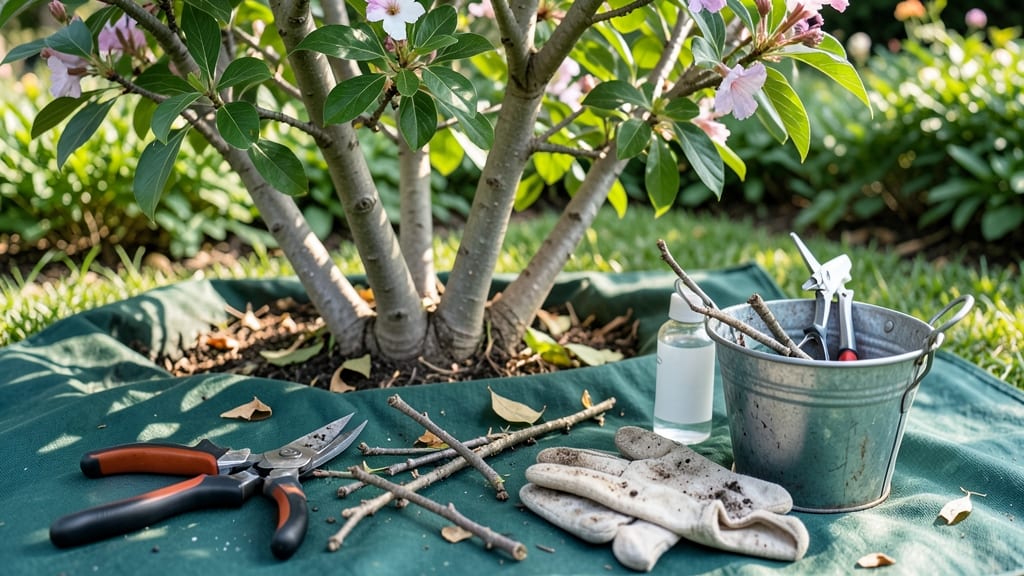
Pruning your crepe myrtle bush in late winter reveals its true potential—sleek, sturdy stems and a canopy that bursts with summer blooms. ✨ I’ve turned my once-ragged bushes into showstoppers with just 10 minutes of work each year, and the difference in growth and flowers is dramatic.
Start with the right tools: sharp pruners for clean cuts, gloves to avoid thorns, and a ladder if your bush is tall. The key is removing dead or crossing branches first, then shaping the bush by cutting just above outward-facing buds—never leaving stubs.
You’ll end up with a bush that looks neat and intentional, not hacked. The blooms arrive earlier, last longer, and the stems stay strong enough to support them. Just avoid the urge to over-prune—crepe myrtles hate being sheared like topiary.
Works for any size bush, from small patio varieties to towering landscape specimens. Let’s get those branches in shape!
📚 In This Guide
- What you need
- Instructions
- Tips and common mistakes
- Wrapping up and next steps
What you need
- ● Pruning shears: Bypass pruners (for small branches, 4-6 inches long, sharp blades) – 1 pair.
- ● Loppers: Bypass or anvil type (for medium branches, 8-12 inches long, sturdy handles) – 1 pair.
- ● Pruning saw: Curved or folding blade (for thick branches over 2 inches in diameter) – 1 saw.
- ● Gloves: Heavy-duty, cut-resistant (to protect hands from thorns and rough bark) – 1 pair.
- ● Disinfectant: Rubbing alcohol or 10% bleach solution (to clean tools between cuts and prevent disease spread) – as needed.
- ● Trash bags or bucket: (for collecting pruned branches) – 1-2.
- ○ Ladder (optional but helpful): Sturdy, extendable (if your bush is taller than 6 feet) – 1.
- ● Hand saw or pruning pole saw: For hard-to-reach branches without a ladder.
- ● Rag or paper towels: For wiping down tools during cleaning.
- ● Marking spray or paint: (to mark branches for removal if planning a major overhaul).
- ● Safety glasses: (to protect eyes from debris, especially when using a saw).
How to prune crepe myrtle bush for year-round health
Crepe myrtles reward minimal effort with stunning blooms and graceful shape—here’s how to keep yours thriving with simple, seasonal cuts.
✂️ Step 1: Clean Up After Bloom (Late Summer)
Wait until after flowers fade (usually late August to September) to prune spent blooms. I grab my pruning shears and cut back the long, woody stems that held flowers—these are called "seed pods" and look like dried beans. Snip just above the first set of healthy leaves below the dead bloom.
This isn’t about drastic shaping yet; it’s about removing dead growth so energy goes to next year’s buds. If you see any mushroom-shaped growths (called "crepe myrtle bark disease"), cut those out completely and disinfect your shears with rubbing alcohol. Never leave infected wood—it spreads fast.
⏰ Step 2: Prune for Shape in Late Winter (Before Bud Break)
Timing is everything here: prune just before new buds swell (typically February to early March in most climates). I start by removing any dead, crossing, or weak branches first—these are the ones that rub against others or grow inward. Cut back to an outward-facing bud to encourage healthy growth.
Next, shape the bush by thinning out about one-third of the oldest stems at the base. You’ll see thick, gnarled branches—these are the ones that age and lose vigor. Cut them all the way back to the ground. This might seem harsh, but it rejuvenates the plant and prevents that "woody mess" look crepe myrtles get over time.
☀️ Step 3: Light Maintenance Through the Growing Season
Crepe myrtles grow fast, so I do quick check-ins every 4-6 weeks during spring and summer. Watch for suckers (those skinny shoots popping up at the base)—they steal energy from your main plant. Snip them off at the ground level with clean shears. No need to worry about timing here; just keep them under control.
If you notice legs (those long, bare stems with tiny leaves at the top), it’s a sign the plant needs more light. Move it to a sunnier spot or prune back the top growth to encourage bushier habits. The goal is balanced growth—no lanky stems and no dense centers where air can’t circulate.
✂️ Step 4: Final Cleanup in Early Spring (Pre-Bloom)
About 2-3 weeks before blooms appear (usually April), do a final sweep. Remove any damaged or diseased branches you missed earlier. I also shape lightly—just enough to keep the bush looking intentional. Avoid heavy cuts now; you’ll sacrifice this year’s flowers.
After pruning, clean up all debris from the ground. Pile it in a trash bag—don’t compost it if disease was present. Finish by watering deeply at the base. The roots will thank you for the moisture after all that cutting. Now step back and admire your work—your crepe myrtle’s about to put on a show.
Tips & tricks for pruning crepe myrtle bushes
Here's what nobody tells you about keeping your crepe myrtle looking its best year-round.
Timing is Everything: I can't stress this enough—pruning at the wrong time can ruin your bush's blooms. In Step 1, wait until those dried seed pods turn completely brown before cutting. If you prune too early, you'll remove next year's flower buds by mistake. For Step 2, mark your calendar for February to early March—this is when your bush is dormant but just about to wake up. Pruning too late means you'll cut off potential blooms.
The Right Tools Make All the Difference: Don't use regular scissors or hedge clippers for crepe myrtles. Grab your pruning shears for branches thicker than a pencil, and a good pair of bypass pruners for smaller cuts. I always clean my tools with rubbing alcohol between cuts when dealing with diseased wood—this prevents spreading infections. Also, keep your tools sharp; dull blades crush stems instead of making clean cuts.
Visual Cues for Perfect Cuts: When pruning in Step 2, look for outward-facing buds. Make your cuts just above these buds at a slight angle. This encourages new growth to develop outward, creating a fuller bush. For Step 3's suckers, watch for those skinny shoots popping up at the base—they're easy to spot because they grow straight up like little flags. Cut them at ground level immediately to prevent them from draining energy from your main plant.
Disease Prevention is Key: If you notice those mushroom-shaped growths (crepe myrtle bark disease), don't panic—but do act fast. Cut out infected branches completely, then disinfect your tools. I've seen this disease spread through contaminated tools in just a few days. Also, always clean up all pruned debris—don't leave it on the ground where it can harbor diseases or pests. Pile it in a trash bag and dispose of it properly.
Pro Tips for Prune Crepe Myrtle Bush
- Here's what nobody tells you about keeping your crepe myrtle looking its best year-round.
- Timing is Everything: I can't stress this enough—pruning at the wrong time can ruin your bush's blooms.
- The Right Tools Make All the Difference: Don't use regular scissors or hedge clippers for crepe myrtles.
Frequently asked questions
Got questions about pruning your crepe myrtle bush? You’re not alone! Here are some of the most common concerns—and straightforward answers—to help you keep your tree looking its best with minimal effort.
When is the best time to prune a crepe myrtle?
The ideal time to prune is late winter to early spring (just before new growth starts). Avoid pruning in fall or winter, as this can encourage weak growth or even invite pests. A light trim to remove dead wood can happen anytime, but major shaping should wait for the dormant season.
How much can I prune back my crepe myrtle?
You can safely prune up to one-third of the tree’s height in a single session, but avoid over-pruning. Focus on removing dead, diseased, or crossing branches first. For shaping, aim for an open center to improve airflow and sunlight penetration. Never "hatrack" your crepe myrtle—this harms the tree’s natural shape!
What should I do if my crepe myrtle has pests or diseases after pruning?
If you notice aphids, scale, or powdery mildew after pruning, act fast! Clean tools with rubbing alcohol, remove heavily infested branches, and treat with neem oil or insecticidal soap. Improve airflow by thinning dense areas, and water at the base (not overhead) to prevent fungal issues.
Can I prune crepe myrtles in summer for better blooms?
While crepe myrtles bloom on new wood, light summer pruning (like removing spent flowers) can encourage a second flush of blooms. However, avoid heavy pruning in summer—it stresses the tree. Stick to minimal trims and prioritize deadwood removal.
What’s a good alternative if I don’t want to prune?
If pruning feels like too much work, opt for low-maintenance varieties like ‘Natchez’ or ‘Tonto’ crepe myrtles—they naturally grow with fewer branches. Alternatively, plant them in open spaces where they can thrive without heavy intervention. Just remove dead wood annually to keep them healthy!
Wrapping up and next steps
Pruning your crepe myrtle bush doesn’t have to be a daunting task—just a few strategic cuts can transform it into a stunning, low-maintenance landscape star! 🌿 By focusing on timing, technique, and tools, you’ll encourage lush blooms, strong growth, and a tidy shape year-round.
Whether you’re a seasoned gardener or just starting, these tips make the process simple and rewarding.
Ready to give your crepe myrtle the care it deserves? Grab your pruners and start trimming today! For extra inspiration, check out before-and-after photos or join local gardening groups to share your progress. Happy pruning! ✂️🌸