
Fertilization
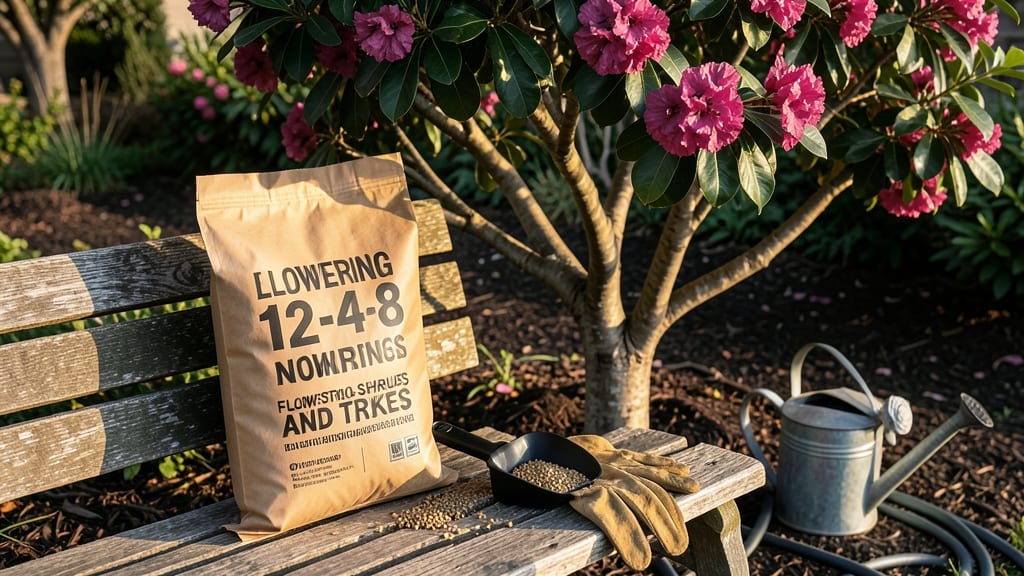
The right fertilizer for crepe myrtle bush 🌸 is the secret to those showstopping blooms and lush foliage you’ve been dreaming of.
Picture this: You’ve planted your crepe myrtle in full sun, watered it just right, and still—no matter how hard you wait—those flowers stay stubbornly sparse. The issue? Most gardeners overlook the NPK balance that crepe myrtles crave, or they feed at the wrong time, leaving the plant confused (and stressed).
This isn’t just about throwing down any old fertilizer—it’s about understanding how nitrogen fuels growth, how phosphorus triggers blooms, and why potassium keeps the plant resilient during heatwaves. Get it wrong, and you’ll end up with leafy monsters instead of flower powerhouses.
Below, I’ll walk you through the exact NPK ratios for each season, the best organic and synthetic options, and how to spot when your crepe myrtle is begging for a nutrient tune-up—so you can finally enjoy that dramatic summer display you planted it for.

Best NPK ratios for crepe myrtle bush growth and blooming
Crepe myrtles (Lagerstroemia spp.) thrive when fed the right NPK ratio at the right time. Too much nitrogen can lead to lush foliage but fewer blooms, while too little phosphorus may stunt flower production.
The key is balancing these nutrients, especially during spring and summer, when your plant is most active. I’ve learned this the hard way—over-fertilizing once caused my crepe myrtle to grow weak stems and almost no flowers!
For optimal growth and blooming, crepe myrtles prefer a balanced NPK ratio like 10-10-10 or 12-12-12. This means equal parts nitrogen (N), phosphorus (P), and potassium (K), which supports both foliage and flower development.
However, the timing of your fertilizer applications is just as critical as the ratio itself. Let’s break down what works best for each season.
| Season | NPK Ratio | Application Time | Notes |
|---|---|---|---|
| Early Spring | 5-10-10 | March-April | Light feeding to stimulate new growth |
| Late Spring | 10-10-10 | May-June | Balanced feed for foliage and blooms |
| Summer | 10-10-10 or 12-12-12 | Every 4-6 weeks | Maintain blooms and root strength |
| Fall | None | September-October | Avoid fertilizing to harden off plant |
| Winter | None | November-February | Dormant season; no feeding needed |
In early spring, use a low-nitrogen fertilizer like 5-10-10 to encourage root development without excessive foliage. This is when your crepe myrtle wakes up from dormancy and needs a gentle nudge.
I apply mine around March or April, just as new shoots appear. Avoid high-nitrogen fertilizers (like 30-0-0)—they’ll make your plant grow leaves instead of flowers!
By late spring, switch to a balanced 10-10-10 fertilizer to support both foliage and blooms. This is the time to see your hard work pay off, as your crepe myrtle shifts its energy toward flower buds.
Apply this fertilizer around May or June, when you notice fresh growth. For established plants, I use about 2 tablespoons per plant, spread evenly around the root zone and watered in thoroughly.
During summer, continue with a balanced or slightly higher potassium fertilizer like 12-12-12 to maintain blooms and strengthen roots. Potassium helps your plant resist stress and recover from heat or drought.
I feed my crepe myrtles every 4-6 weeks during this period, always in the early morning to avoid burning the roots in the heat. A pro tip: Mix your fertilizer with compost tea for extra micronutrients!
In fall and winter, stop fertilizing entirely. Your crepe myrtle needs time to harden off and prepare for dormancy. Over-fertilizing now can lead to weak growth or even winter damage. Instead, focus on mulching around the base of the plant to insulate roots and retain moisture.
I use 2-3 inches of organic mulch, like shredded leaves or wood chips, to protect my crepe myrtles during colder months.
When reading fertilizer labels, look for the three bold numbers (NPK) and the percentage of each nutrient. For example, a 10-10-10 fertilizer contains 10% nitrogen, 10% phosphorus, and 10% potassium.
Avoid fertilizers with high nitrogen first, like 20-5-10, unless you’re growing a foliage-heavy plant. For crepe myrtles, balance is key—you want vibrant blooms, not just big leaves!
One common mistake I see is over-fertilizing, which can lead to burned roots or salt buildup in the soil. Always follow the recommended application rates
Organic vs. synthetic fertilizers: which works best for crepe myrtles?
Choosing between organic and synthetic fertilizers for your crepe myrtle bush depends on your goals—whether you prioritize long-term soil health or immediate nutrient delivery. Both options have unique benefits, but understanding their differences helps you make the best decision for your plant's needs.
Crepe myrtles thrive with a balanced NPK ratio like 10-10-10, but the source of those nutrients matters. Organic fertilizers release nutrients slowly, improving soil structure over time, while synthetic fertilizers provide quick, precise nutrition. Let’s break down the pros and cons to help you decide.
Organic Fertilizers for Crepe Myrtles
Pros
- Improves soil over time
- Slow-release nutrients reduce burn risk
- Supports microbial life in soil
- Cost-effective for long-term use
Cons
- Slower results than synthetic
- Requires more frequent application
- Can attract pests if not composted properly
- Less precise nutrient ratios
Synthetic Fertilizers for Crepe Myrtles
Pros
- Fast nutrient delivery for quick growth
- Precise NPK ratios for targeted feeding
- Easy to apply in granular or liquid form
- Long shelf life and consistent potency
Cons
- Can burn roots if overapplied
- No soil improvement over time
- Higher upfront cost for large quantities
- Environmental concerns with runoff
For organic options, consider compost, well-aged manure, or bone meal to boost phosphorus for blooms. These improve soil fertility gradually and are safer for long-term use.
For example, a 5-gallon bucket of compost mixed into the soil around your crepe myrtle in early spring provides steady nutrition without risking over-fertilization.
If you prefer synthetic fertilizers, opt for a slow-release granular formula like 10-10-10. Apply it in early spring and mid-summer to avoid shocking the plant. For instance, sprinkle 2 tablespoons per mature plant around the drip line, then water deeply to activate the nutrients.
This method ensures your crepe myrtle gets a steady supply of nutrients without the risk of root burn.
Transitioning between the two? Start by halving synthetic doses while gradually increasing organic matter. For example, if you’ve been using synthetic fertilizer, switch to organic by applying half the recommended dose of compost or manure for the first month, then increase to full strength.
This helps your crepe myrtle adjust without stress.
Ultimately, the best choice depends on your priorities. If you value soil health and sustainability, organic fertilizers are ideal. If you need quick results or precise nutrient control, synthetic options work well. Either way, always follow the label instructions and monitor your plant’s response to avoid over- or under-feeding.