
Pruning
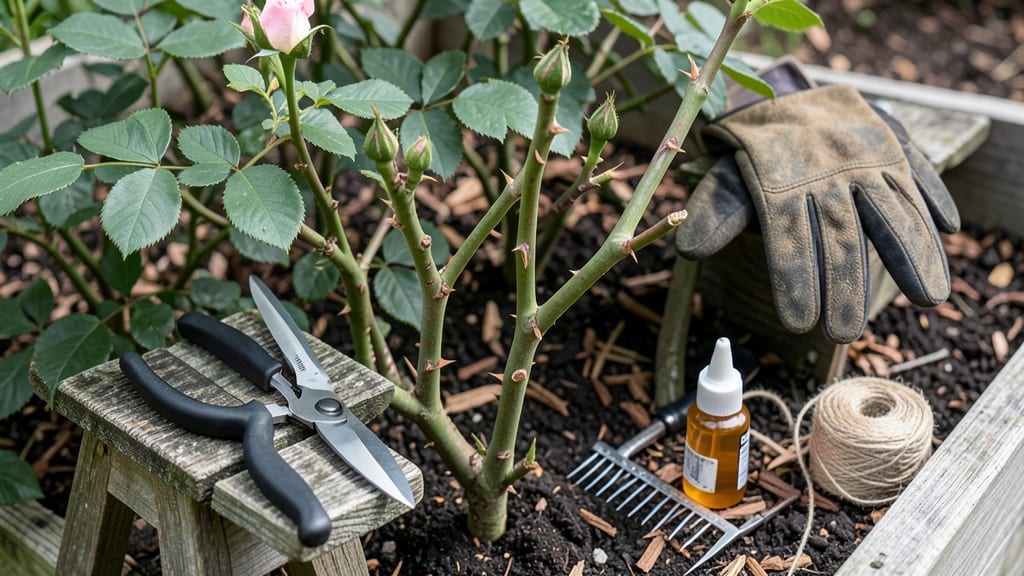
Mastering the proper way to prune rose bushes turns a daunting task into your secret weapon for vibrant blooms and healthier plants. ✂️ I’ve spent years perfecting my technique—after my first attempt left bushes looking like tangled vines—and now I know exactly when, where, and how to cut for maximum growth.
The key isn’t just cutting back; it’s understanding how roses grow and what they need to thrive after the shears touch them.
Timing matters most: late winter or early spring, just before new growth begins, is ideal for most roses. Hybrid teas and floribundas respond best to a clean, angled cut just above an outward-facing bud, while climbers and shrub roses need a gentler approach to maintain their natural shape.
Gather your tools—a sharp bypass pruner, gloves, and disinfectant—to avoid spreading disease between cuts.
What you’ll end up with is a bush that looks neat and intentional, not hacked. New shoots emerge within weeks, and by summer, you’ll have fuller blooms than ever before.
The right pruning also prevents pests and diseases by improving airflow, so your roses stay strong through the growing season.
Whether you’re tackling hybrid teas, ramblers, or old garden roses, this method adapts to any type. The biggest mistake? Pruning too late in the season or using dull tools—both stress the plant. Let’s get those shears ready and transform your roses into the showstopper of your garden.
📚 In This Guide
- What you need
- Instructions
- Tips and common mistakes
- Wrapping up and next steps
What you need
- ● Bypass pruners: Sharp, high-quality pruners (4-6 inches) for clean cuts on smaller stems.
- ● Loppers: Long-handled (18-24 inches) for thicker branches (½–1½ inches in diameter).
- ● Pruning saw: For stubborn, woody stems over 1½ inches thick.
- ● Garden gloves: Heavy-duty, cut-resistant (e.g., leather or Kevlar) to protect your hands.
- ● Disinfectant (rubbing alcohol or 10% bleach solution): Clean tools between cuts to prevent disease spread.
- ● Hand pruners (small): For delicate trimming of tiny shoots or deadheading.
- ● Rake or broom: To clear debris and fallen petals after pruning.
- ○ Pruning sealant: (Optional) For large cuts on older roses to prevent infection.
- ● Safety glasses: If working near thorny or overgrown bushes.
- ● Check the weather: Choose a dry, overcast day to minimize stress on the plant.
- ● Gather a bucket or bag for discarded trimmings (compost or dispose of diseased material separately).
- ● Have a notebook or app handy to sketch your bush’s shape before pruning (helps visualize cuts!).
Step-by-step guide to pruning rose bushes for healthier growth
Here's how to prune roses like a pro—timing matters, but technique keeps them thriving.
⏰ Step 1: Choose the Right Time to Prune
Late winter or early spring, just before new growth begins, is ideal for most roses. You'll know it's time when you see swollen buds along the stems—this means the plant is waking up but hasn't broken dormancy yet. For repeat-blooming roses, you can also do a light pruning after the first flush of flowers in summer.
Never prune in fall unless you're in a mild climate. Cold weather can stress the plant, and fresh cuts won't heal properly before winter. If you must prune later in the season, wait until at least 6 weeks before your first frost to allow wounds to close.
✂️ Step 2: Gather the Right Tools and Prepare the Plant
Use sharp, clean pruning shears—dull blades crush stems and invite disease. Disinfect your tools with rubbing alcohol before and after pruning to prevent spreading bacteria. Wear gloves; roses can have thorns, and you don’t want to snag your skin.
Start by removing any dead, diseased, or crossing branches first. These are easy to spot—they’re brown, mushy, or growing inward. Cut them back to a healthy bud or joint, making your cuts at a 45-degree angle about ¼ inch above an outward-facing bud. This encourages new growth to shoot away from the center of the bush.
🌿 Step 3: Shape the Bush for Airflow and Light
Step back and visualize the rose bush as a vase shape—wide at the bottom, narrowing toward the top. This shape allows sunlight and air to reach all parts of the plant, reducing humidity and preventing fungal issues. Remove any branches that grow straight up or cross over others, as these create weak points and block light.
For hybrid teas and grandifloras, aim to leave 3-5 strong canes per bush. Cut back last year’s growth to about 18-24 inches tall, leaving 3-5 buds on each remaining stem. For shrub roses, you can be a little more generous—prune to 12-18 inches tall, keeping 5-7 buds per stem. Remember, roses are resilient; you can’t over-prune, but you can under-prune.
💧 Step 4: Clean Up and Monitor for Recovery
After pruning, rake up and dispose of all clippings—don’t leave them on the ground, as they can harbor pests and diseases. Water the base of the plant deeply to help it recover from the stress of pruning. You’ll see new growth within 2-3 weeks, signaling that your pruning was successful.
Keep an eye out for any signs of stress, like yellowing leaves or wilted stems. If you see these, it might mean you pruned too aggressively or the plant is struggling with the change. A light application of balanced fertilizer after pruning can give your roses a boost as they start growing again.
☀️ Step 5: Maintain Throughout the Growing Season
Once your roses are pruned and growing, continue to monitor them for dead or diseased branches. Remove these as soon as you spot them to keep the plant healthy. After each flush of blooms, do a light trim to encourage more flowers—just cut back the spent stems to the nearest outward-facing bud.
Mulch around the base of the plant with 2-3 inches of organic mulch to retain moisture and regulate soil temperature. This also helps suppress weeds, which compete with roses for nutrients. With proper pruning and care, your roses will reward you with stronger canes, more blooms, and fewer problems.
Tips & tricks for pruning rose bushes like a pro
These simple yet game-changing tips will help you prune your roses with confidence and precision.
Timing is Everything: If you're in doubt about whether it's the right time to prune, look for those swollen buds signaling new growth. In colder climates, aim to finish pruning by 6 weeks before your first frost—this gives the cuts time to heal before winter stress sets in. For repeat-bloomers, that light summer trim after the first flush can actually encourage more blooms later in the season.
Tool Prep Makes All the Difference: I can't stress enough how important it is to disinfect your pruning shears before and after use. A quick wipe with rubbing alcohol prevents spreading fungal spores between plants. And here's a trick I learned the hard way: store your shears in a dry place to prevent rust—rusty blades can introduce bacteria into fresh cuts. Also, keep a small container of rubbing alcohol handy while you work for quick disinfection between cuts.
Visualize the Vase Shape: When shaping your rose bush, step back and imagine an inverted vase. The widest part should be at the base, narrowing toward the top. This creates that perfect airflow we want. For hybrid teas, I like to leave 3-5 canes—any fewer and you'll have sparse blooms, any more and you'll crowd the center. Pro tip: Make your cuts just above an outward-facing bud at a 45-degree angle—this directs new growth outward, away from the center.
Post-Pruning Recovery Boost: After you've finished pruning, give your roses a deep watering right at the base. This helps them recover from the stress of pruning. I also recommend applying a light layer of balanced fertilizer at this time—it gives them a nutrient boost as they start their new growth cycle. You'll notice new shoots emerging within 2-3 weeks if everything went well.
Pro Tips for Proper Way To Prune Rose Bushes
- These simple yet game-changing tips will help you prune your roses with confidence and precision.
- Timing is Everything: If you're in doubt about whether it's the right time to prune, look for those swollen buds signaling new growth.
- Tool Prep Makes All the Difference: I can't stress enough how important it is to disinfect your pruning shears before and after use.
Frequently asked questions
Got questions about pruning your rose bushes? You're not alone! Here are some of the most common concerns—plus clear, expert-backed answers to help you prune like a pro.
When is the best time to prune roses?
For most roses, late winter or early spring (just before new growth starts) is ideal. Hybrid teas and grandifloras should be pruned in early spring, while climbing roses and shrub roses can handle light pruning in fall. Avoid pruning in fall for cold climates—wait until after the last frost to prevent damage.
How do I know which branches to cut?
Look for these signs: dead, diseased, or crossing branches (cut them first), weak or spindly growth (remove to encourage stronger stems), and canes older than 3–4 years (prune them back to the ground). Always cut at a 45-degree angle just above an outward-facing bud.
What if I prune at the wrong time?
Pruning too early (mid-winter) can expose roses to cold damage, while pruning too late (summer/fall) may reduce next year’s blooms. If you accidentally prune at the wrong time, don’t stress—just focus on removing deadwood and shaping the bush lightly. Roses are resilient!
Can I prune roses in summer?
Yes! Light pruning in summer (after blooms fade) helps encourage repeat blooming in hybrid teas and floribundas. Trim back spent flowers (deadheading) and overcrowded canes to improve airflow. Avoid heavy pruning—stick to 10–15% of the plant max.
What if my roses don’t bloom after pruning?
Several factors could be at play: over-pruning (leave 3–5 strong canes), poor soil (test for nutrients), or lack of sunlight (roses need 6+ hours of sun daily). If blooms still don’t appear, check for pests or disease and adjust your pruning approach for next year.
Still unsure? Snap a photo of your rose bush and compare it to pruning guides—you’ll spot mistakes fast!
Wrapping up and next steps
Pruning your rose bushes the right way isn’t just about trimming—it’s about revitalizing them for healthier growth and stunning blooms! 🌹 By mastering the timing, technique, and tools, you’ll encourage stronger stems, better airflow, and a bush that thrives year after year.
Remember, patience and precision pay off—your roses will reward you with vibrant, long-lasting flowers.
Ready to take the next step? Grab your pruners, dust off those gloves, and give your roses the care they deserve! And if you’re feeling ambitious, experiment with different pruning styles to find what works best for your garden. Happy pruning! 🌿