
Pruning
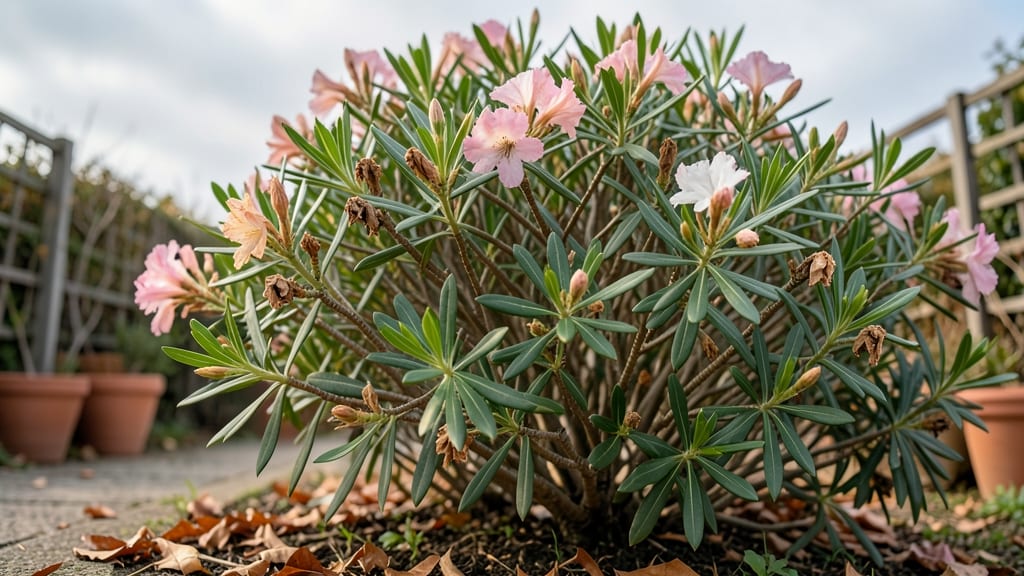
Oleander bushes are stunning but require strategic pruning to maintain their health and vibrant blooms. Learn these 10 proven trimming techniques to encourage lush growth, prevent disease, and keep your oleander thriving year-round—whether you're a beginner or seasoned gardener.
Best Time to Prune Oleander for Maximum Blooms
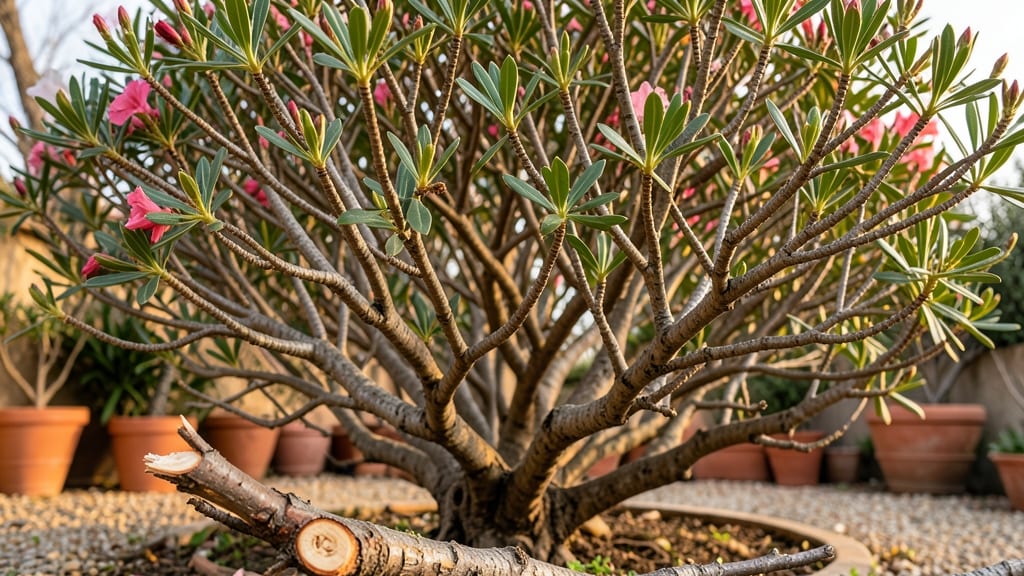
Timing your oleander pruning just right can transform a mediocre bush into a bloom-covered beauty. The secret? Prune in early spring or late winter—before the first flush of new growth appears. This strategic timing removes last year’s dead wood while allowing the plant to focus energy on fresh, vibrant blooms before summer’s heat arrives.
Start by cutting back any brown, leafless branches to the nearest healthy growth node. Avoid heavy pruning—stick to shaping and removing only what’s necessary to maintain an open structure. Oleanders respond best to light to moderate trimming during this window, as they’re still dormant but preparing to burst into action. This approach ensures your bush stays lush and full of flowers rather than leggy and sparse.
This method is perfect for gardeners who want year-round color with minimal effort. By pruning at this ideal time, you’ll set your oleander up for a spectacular summer display while keeping maintenance simple. 🌟
Step-by-Step Guide to Removing Dead or Diseased Branches
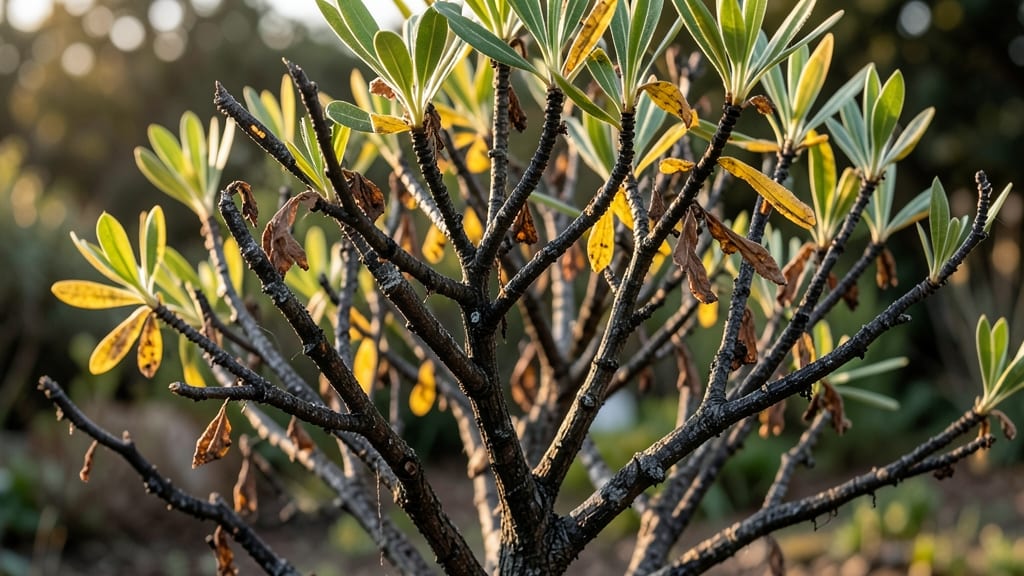
Before you even think about shaping your oleander, dead or diseased branches must be removed first—this isn’t optional, it’s essential. Fungal spores and pests love hiding in decaying wood, and if left unchecked, they’ll spread like wildfire through your entire bush, turning lush foliage into a sad, skeletal mess.
Start by inspecting each branch—dead wood will be brittle, dark brown, and snap easily when bent, while infected branches may ooze sap or show dark spots. Use sterilized pruners (clean with rubbing alcohol) to make cuts just above a healthy leaf node or outward-facing bud. Never leave stubs—this invites further infection.
This step is especially critical for oleander bushes in humid climates, where fungal diseases thrive. By removing these branches first, you’re giving your plant the best chance at a healthy, vibrant future. 💪
How to Shape Oleander Bushes for a Neat Appearance
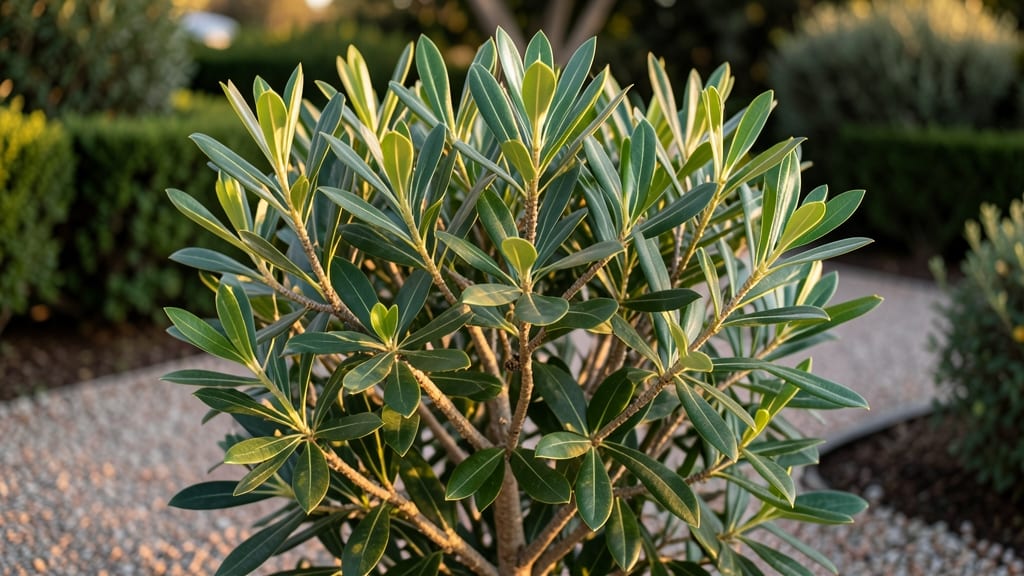
Transform your oleander bushes from wild to polished with structured pruning—this is your secret to a manicured look that wows. Unlike basic trimming, shaping oleander involves strategic cuts to create clean lines while boosting airflow, reducing disease risk in dense foliage.
Start by thinning the center to improve light penetration, then use selective cutting to shape the outer edges. For formal hedges, trim branches at a 45-degree angle to encourage bushier growth. Always step back to check symmetry—oleander responds well to gradual shaping over multiple sessions rather than aggressive cuts.
This technique is perfect for gardeners who love formal landscapes or hedges, as it keeps plants dense and healthy while creating that showstopping, sculpted appearance. 🌟
Pruning for Larger, More Vibrant Oleander Flowers
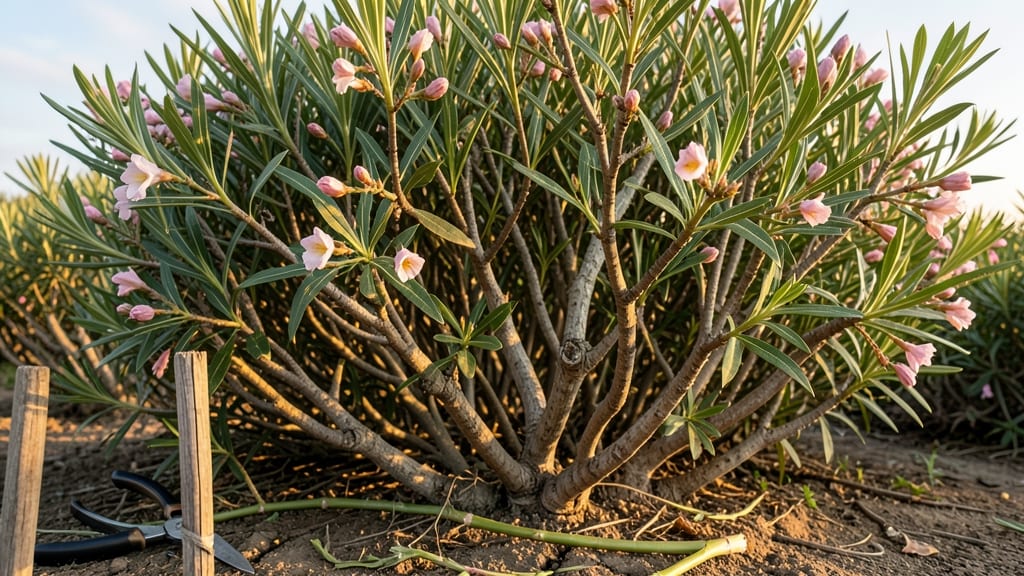
If your oleander bushes are producing smaller blooms than you'd like, the secret lies in strategic pruning—not just trimming for shape. By focusing on older wood, you can trigger the growth of larger, more vibrant flowers while keeping the bush from becoming overly dense.
Start by identifying the thickest, oldest branches—these are often the ones bearing fewer flowers. Cut these back by about one-third in early spring, just as new growth begins to emerge. This stimulates the plant to produce fresh, younger branches that will bloom more abundantly. Avoid pruning into old, woody stems, as this can reduce flowering potential.
This technique is especially rewarding for gardeners who love bold, eye-catching blooms and don’t mind a slightly less compact bush. The result? Longer-lasting, showier flowers that turn heads in any landscape. 🌻
Tools You Need for Safe and Effective Oleander Trimming
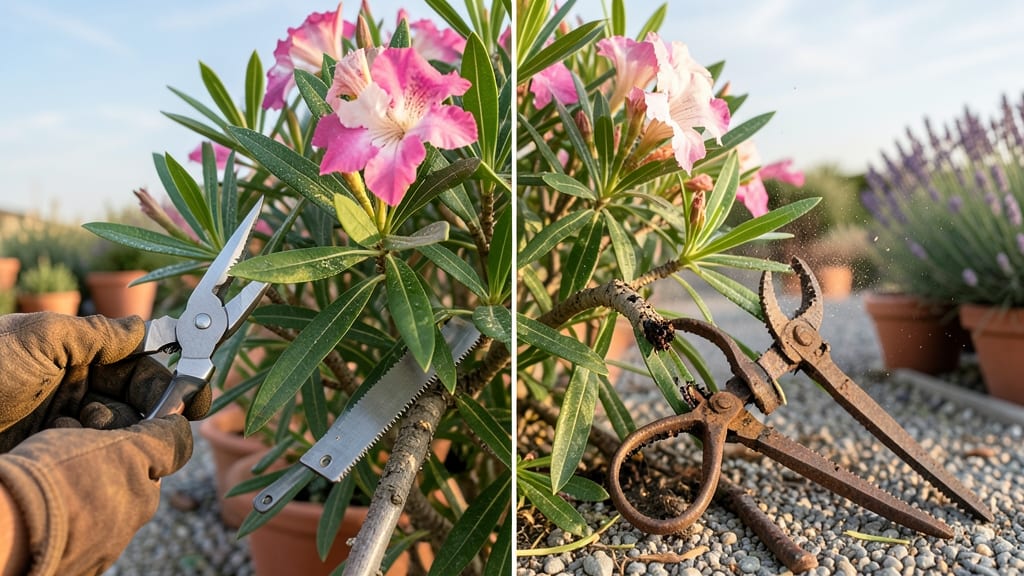
Skipping the wrong tools can turn a simple pruning session into a struggle—especially with oleander, which thrives when cuts are precise and clean. The right equipment doesn’t just make the job easier; it protects your plant from unnecessary stress and disease, ensuring it stays healthy and blooms beautifully.
Start with a pair of bypass pruners for clean cuts on smaller branches—these scissor-like tools create smooth edges that heal faster than jagged cuts from dull blades. For thicker stems, use sterilized loppers to prevent bacterial spread between cuts. Don’t forget to disinfect your tools with rubbing alcohol before and after trimming to avoid introducing pathogens. A small hand pruner with a comfortable grip will also save your hands from fatigue during longer sessions.
Investing in quality tools pays off for both beginners and experienced gardeners, as they make trimming faster and reduce the risk of damaging your oleander’s delicate structure. 💡
Pruning Young Oleander Plants for Strong Growth Habits
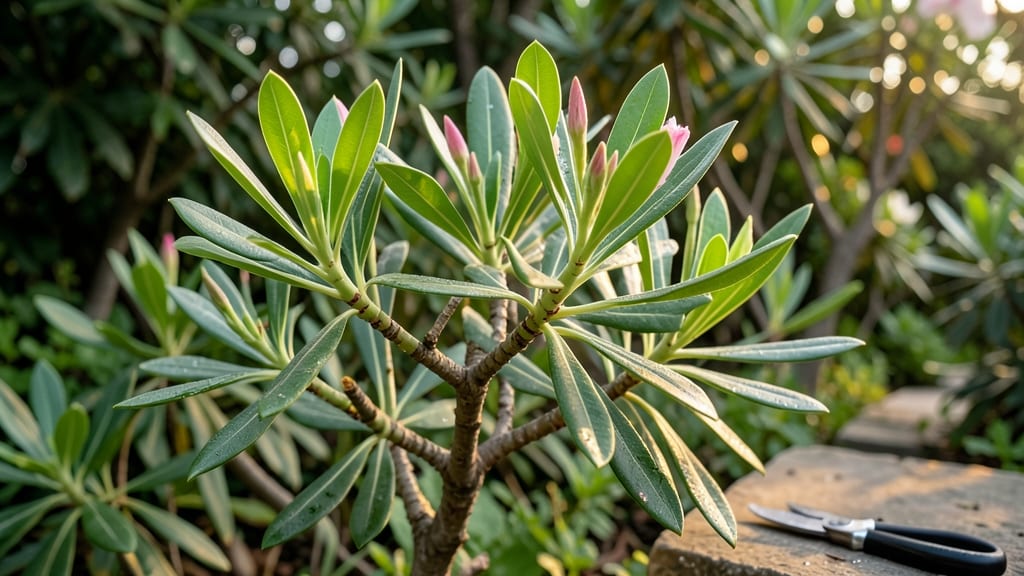
Skip the "wait-and-see" approach with young oleander plants—early pruning is the secret to preventing those long, floppy stems that ruin the bushy look. By shaping them in their first year, you’re not just tidying up; you’re building a strong skeletal structure that supports future growth and blooms.
Focus on cutting back the longest stems by about one-third when your plant reaches 12-18 inches tall, always making cuts just above a leaf node. This encourages branching at the base, creating that coveted compact, multi-stemmed shape. Avoid heavy pruning—think light shaping to avoid shocking the plant, and always use clean, sharp shears to prevent disease.
This method is especially valuable for beginner gardeners or those growing oleander in containers, where space is limited. A well-pruned young plant will reward you with fuller foliage and more flowers in just one growing season. 🌱
Avoiding Common Mistakes When Trimming Oleander
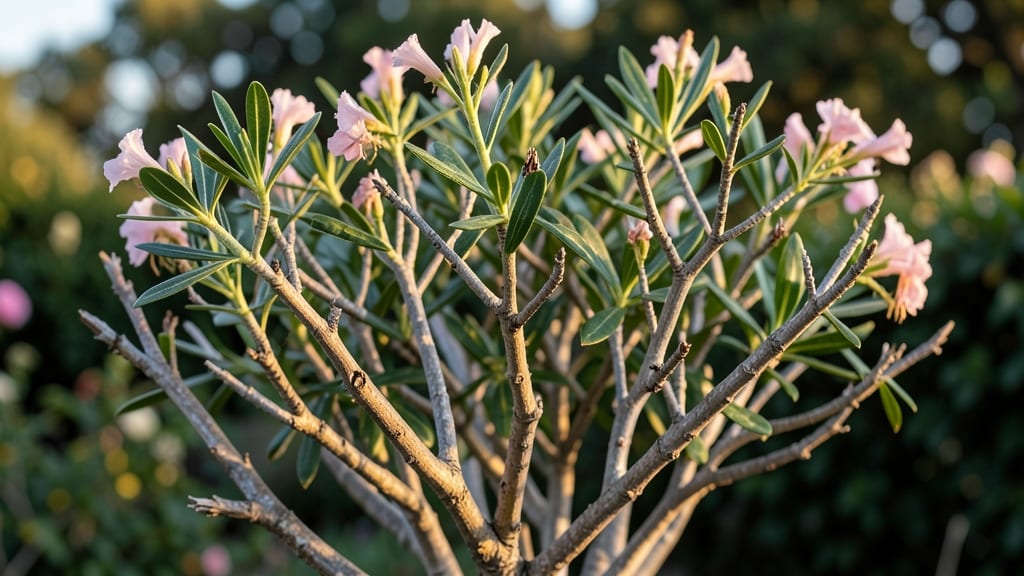
Even experienced gardeners sometimes accidentally harm their oleander bushes by over-trimming or cutting into old wood—mistakes that can leave your plant looking sparse and struggling to bloom. Unlike other shrubs, oleander responds poorly to aggressive pruning, so knowing what not to do is just as important as the technique itself.
First, avoid cutting into woody stems older than two years, as this wood rarely regrows and can leave unsightly scars. Never remove more than one-third of the plant's foliage in a single session, or you’ll shock the system and delay flowering. Also, skip pruning during peak summer heat, when the plant is already stressed—opt for early spring or late winter instead.
These pitfalls are especially critical for gardeners in warm climates where oleander thrives, as over-pruning can make plants more vulnerable to pests and disease. A little caution goes a long way toward keeping your oleander lush and blooming. 💚
Pruning Oleander for Container Gardens and Small Spaces
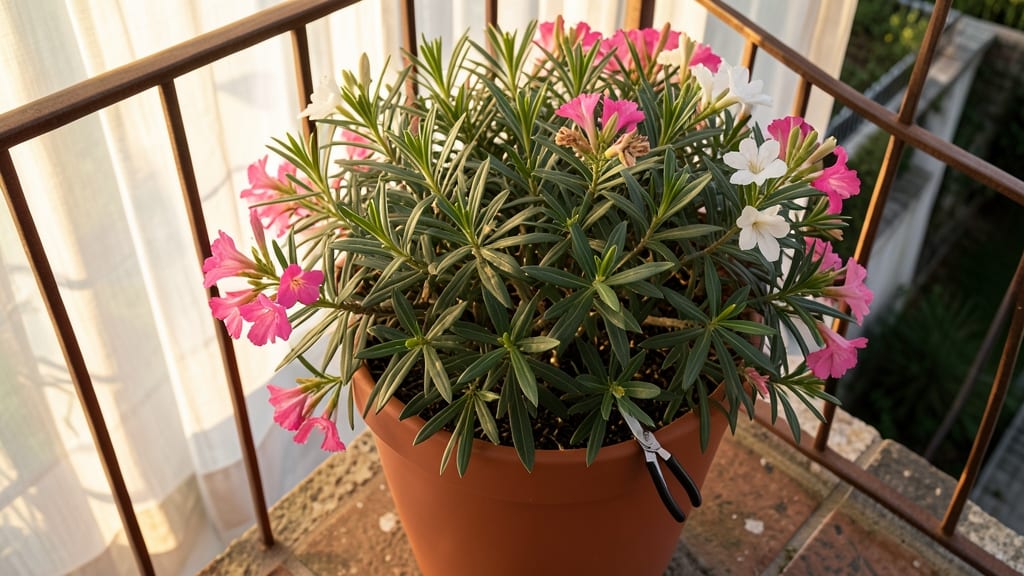
Small spaces shouldn’t mean small dreams for your oleander bush—with the right pruning approach, you can keep this tropical beauty thriving in containers, balconies, or tight patios. The key is selective, frequent trimming to encourage dense growth without overwhelming your space.
Start by pruning back leggy stems by one-third in early spring to promote bushier growth. Use clean, sharp shears to make angled cuts just above leaf nodes, which encourages new shoots to form. For container gardens, focus on thinning out crowded branches to improve airflow and prevent disease—a must in confined spaces. You can even prune lightly every 4-6 weeks during the growing season to maintain shape and control size.
This method is perfect for urban gardeners or anyone with limited room, turning even a small balcony into a fragrant, blooming oasis. Just remember: oleander responds well to regular maintenance, so a little effort now means lush, compact plants all season long. 🌿
How to Encourage New Growth After Pruning
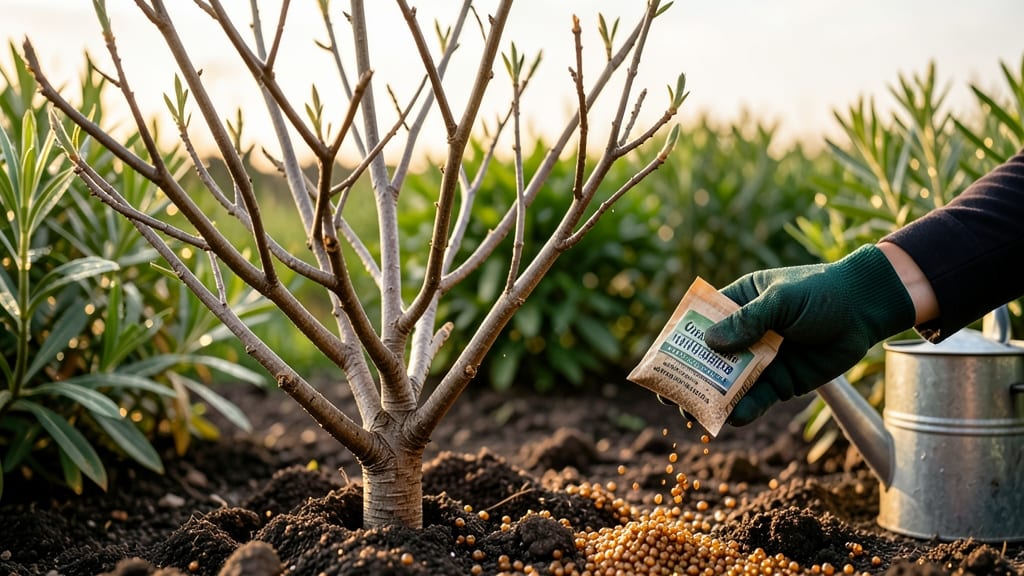
After pruning your oleander bush, the real work begins—reviving its energy and sparking fresh growth. Pruning removes leaves and branches, so your plant needs a nutrient boost and consistent hydration to bounce back stronger than ever.
Start by applying a balanced, slow-release fertilizer within a week of trimming to replenish nutrients lost during the process. Water deeply at the base (not overhead) to encourage root development, and mulch around the base to retain moisture. For extra vigor, consider a low-nitrogen, high-phosphorus fertilizer to promote flowering while new shoots emerge.
This post-pruning care is especially critical for container-grown oleanders or those in hot climates, where recovery can be slower. With the right follow-up, your bush will reward you with lush foliage and abundant blooms in just a few weeks. 🌱
Year-Round Maintenance Tips for Oleander Bushes

Oleander bushes don’t just thrive—they survive every season with the right care. While spring and summer get all the pruning glory, fall and winter adjustments are the secret to preventing overgrowth and keeping your bush blooming consistently year after year.
Start in late fall by removing any remaining dead or weak branches—this prevents disease from lingering through winter. In early winter, give your oleander a light shape-up to encourage fresh growth when spring arrives. Avoid heavy pruning during dormancy, but don’t skip this step entirely: even a few strategic cuts improve airflow and reduce pest risks. For urban gardeners or those with limited space, this seasonal touch-up keeps oleander manageable without sacrificing beauty. 🌱