
Pruning
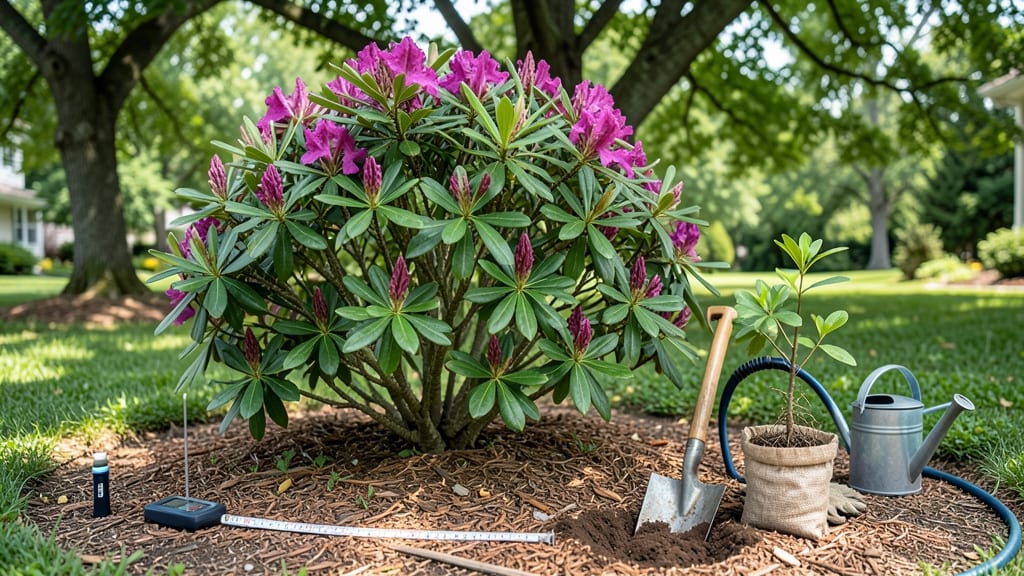
Planting rhododendron bushes starts with soil so acidic it could make a lemon blush. 🌿 These finicky beauties demand specific conditions—well-draining, slightly acidic soil (pH 4.5-6.0) and partial shade that mimics their forest home.
I learned the hard way that skipping this prep leads to yellowing leaves and stunted growth, no matter how much you water. The right spot makes all the difference: morning sun with afternoon shade works best, and spacing them 3-5 feet apart gives their roots room to breathe.
Dig a hole twice as wide as the root ball but only as deep—planting too deep suffocates the roots. Mix in a handful of sulfur or peat moss to boost acidity before backfilling. After planting, water deeply but let the top inch dry between waterings—soggy soil is their enemy.
Mulch with pine needles or oak leaves to lock in moisture and acidity. Within a season, you'll see glossy green leaves and buds forming, proving you've given them the perfect home.
This method works for both container-grown rhodies and bare-root plants, whether you're tucking them into a shady garden corner or lining a woodland-style path. Here's how to nail it every time!
📚 In This Guide
- What you need
- Instructions
- Tips and common mistakes
- Wrapping up and next steps
What you need
- ● Rhododendron Bush: 1-3 plants (choose based on desired spacing—3–6 feet apart for mature size)
- ● Acidic Soil Mix: 50% peat moss or coconut coir + 30% pine bark fines + 20% perlite (or pre-mixed rhododendron soil blend)
- ● Garden Gloves: 1 pair (nitrile or leather for durability)
- ● Trowel or Spade: 1 (6–8 inch blade for digging holes)
- ● Garden Fork or Transplant Spade: 1 (for loosening soil and minimizing root disturbance)
- ● Mulch: 2–3 inches of pine bark, wood chips, or pine needles (avoid cedar mulch—it’s too acidic)
- ● Slow-Release Acid-Forming Fertilizer: 1 bag (e.g., 10-10-10 or rhododendron-specific formula like Miracle-Gro Azalea & Rhododendron)
- ● Watering Can or Hose with Gentle Nozzle: 1 (for post-planting hydration)
- ● pH Test Kit: 1 (to confirm soil acidity—ideal range: 4.5–6.0)
- ● Epsom Salt: Small bag (for magnesium boost if leaves show yellowing)
- ● Root Stimulator: 1 bottle (e.g., Rootone to encourage root growth)
- ● Soil Moisture Meter: 1 (to monitor hydration levels)
- ● Staking Kit: 1 (if planting in windy areas—use biodegradable stakes)
- ● Composted Pine Needles: Extra for top-dressing (adds organic acidity over time)
Step-by-Step guide to planting rhododendron bushes
Here’s how to plant these acid-loving beauties for years of vibrant blooms.
🪴 Step 1: Pick the Perfect Spot and Dig the Hole
Choose a location with partial shade—think dappled sunlight or morning sun with afternoon shade. Rhododendrons hate hot afternoon rays, which dry out their shallow roots. The hole should be twice as wide as the root ball but only as deep—planting too deep suffocates the roots.
Loosen the sides of the hole with your hands or a trowel to prevent compacting the soil later. If your soil isn’t naturally acidic (pH 4.5–6.0), mix in 2–3 inches of peat moss or sulfur at the bottom of the hole. This adjustment is key—rhododendrons won’t thrive in alkaline soil.
🌱 Step 2: Prepare the Root Ball and Plant
Gently remove the rhododendron from its container and tease the roots outward if they’re circling. Soak the root ball for 10–15 minutes before planting to rehydrate it—dry roots struggle to establish. Place the plant in the hole so the top of the root ball sits just below soil level (never buried deeper than it was in the pot).
Backfill with the native soil mixed with compost or peat moss (about 20% of the mix) to improve drainage and acidity. Tamp the soil lightly around the roots to remove air pockets, but don’t pack it down tightly. Water deeply to settle everything—you’ll see the soil sink slightly as it absorbs moisture.
💧 Step 3: Mulch and Water for Establishment
Spread 2–3 inches of pine bark mulch (never wood chips) over the root zone, keeping it 6 inches away from the stem. Mulch retains moisture and slowly acidifies the soil as it breaks down. Avoid fresh mulch touching the trunk—it can cause rot.
Water the plant deeply every 2–3 days for the first month, keeping the soil evenly moist but not soggy. Rhododendrons hate drought stress, and their shallow roots need consistent moisture. After a month, reduce watering to once a week unless your area is extremely hot or dry.
☀️ Step 4: Monitor Light and Soil for Long-Term Success
Watch for leaf scorch (brown edges) or yellowing—signs of too much sun or alkaline soil. If leaves yellow, test your soil pH and amend with elemental sulfur if needed. Prune only to shape the bush after flowering, cutting back to just above a leaf bud.
Fertilize in early spring with an acid-loving plant fertilizer (look for one with low phosphorus). Over-fertilizing burns roots, so follow package rates exactly. With the right care, your rhododendron will reward you with vibrant blooms for decades.
Tips & tricks for perfect rhododendron planting
These little details make all the difference between a struggling shrub and one that thrives for decades.
Soil Acidification: That 2-3 inches of peat moss or sulfur in Step 1 is non-negotiable for alkaline soils. Test your soil first with a pH kit—if it's above 6.0, you'll need to amend more aggressively. I've seen rhododendrons fail spectacularly when planted in garden soil without this adjustment, even with perfect sunlight.
Root Ball Prep: The 10-15 minute soak in Step 2 isn't just about hydration—it's about waking up the roots. Gently swirl the root ball in water to dislodge any circling roots while soaking. This prevents "pot-bound" stress that can kill new plantings within weeks. Don't skip this step, even if the roots look moist.
Mulching Strategy: That 2-3 inches of pine bark mulch in Step 3 should be spread in a donut shape—keep it 6 inches away from the stem to prevent rot. Over time, this mulch will break down and naturally acidify the soil, but it takes patience. Refresh the mulch layer annually to maintain its benefits.
Watering Wisdom: The deep watering every 2-3 days for the first month is critical—these plants hate drought stress. Use your finger to check moisture 2 inches below the surface. If it's dry, water again. After the first month, let the top inch dry out between waterings to prevent root rot, but never let it get bone-dry.
Pro Tips for Planting Rhododendron Bush
- These little details make all the difference between a struggling shrub and one that thrives for decades.
- Soil Acidification: That 2-3 inches of peat moss or sulfur in Step 1 is non-negotiable for alkaline soils. Test your ...
- Root Ball Prep: The 10-15 minute soak in Step 2 isn't just about hydration—it's about waking up the roots. Gently swi...
Frequently asked questions
Got questions about planting rhododendrons?
Here are the answers to the most common ones—so you can grow these stunning shrubs with confidence!
When is the best time to plant a rhododendron bush?
Plant rhododendrons in early spring or fall (4–6 weeks before the first frost). This gives roots time to establish before extreme temperatures. Avoid planting in summer heat or winter cold, as stress can harm young bushes.
How often should I water a newly planted rhododendron?
Water deeply 2–3 times per week for the first month, then taper to once a week (or more in dry spells). Mulch around the base to retain moisture. Overwatering can suffocate roots, so ensure soil drains well—rhododendrons hate soggy feet!
Can rhododendrons grow in containers or do they need to be planted in the ground?
Yes! Rhododendrons thrive in large containers (15+ gallons) with acidic potting mix. Use a pot with drainage holes and repot every 2–3 years. Just ensure they get morning sun and afternoon shade—containers dry out faster than ground soil.
Why are the leaves on my rhododendron turning yellow or brown?
Yellow leaves often mean overwatering or poor drainage, while brown edges can signal underwatering or sunburn. Check soil pH too—rhododendrons need acidic soil (4.5–6.0). If pests like lace bugs are the culprit, spray with insecticidal soap.
How close can I plant rhododendrons to other shrubs or trees?
Space rhododendrons 3–6 feet apart (depending on variety) and avoid planting near large trees that steal nutrients. They compete for water and shade, which can stunt growth. A sun-dappled spot with partial shade works best!
Wrapping up and next steps
Planting a rhododendron bush is a rewarding journey that brings vibrant blooms and lush foliage to your garden—as long as you prioritize acid-loving soil and proper care. 🌸 From selecting the right location to nurturing your plant with mulch and consistent moisture, every step sets the stage for stunning growth.
Now that you’re armed with the soil secrets and practical tips, it’s time to roll up your sleeves and watch your rhododendrons thrive!
Next steps:
- Mark your calendar for seasonal pruning (early spring or after blooming).
- Monitor soil pH annually and adjust with organic amendments if needed.
- Share your progress with fellow gardeners—your rhododendron’s success will inspire others! 🌿