
Shrubs
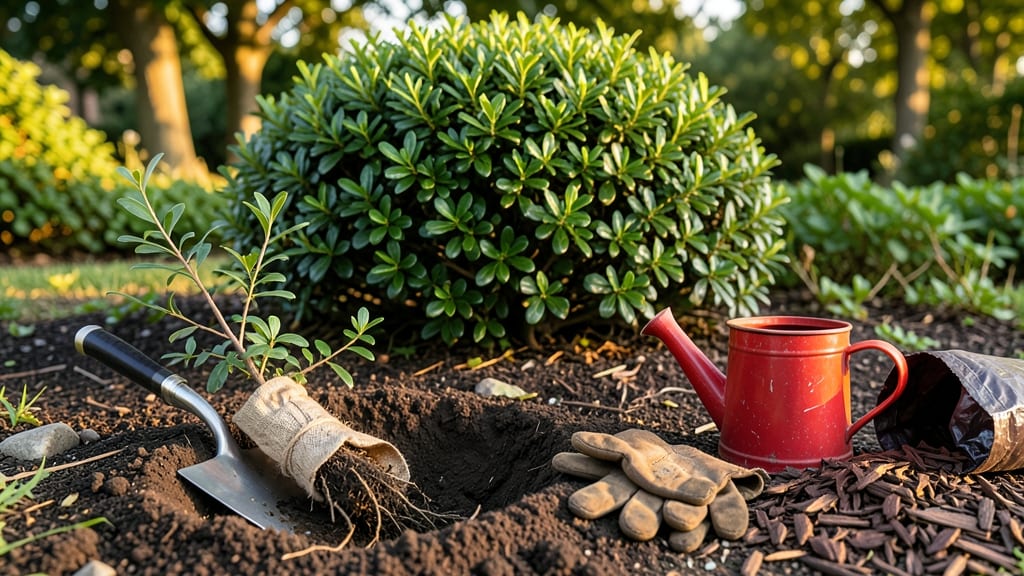
Planting evergreen bushes transforms your yard into a year-round green oasis that never loses its charm. 🌲 I’ve planted my share of struggling evergreens—thin, scraggly, and prone to browning—until I learned the right soil prep, spacing, and watering tricks that make all the difference.
The secret starts with well-draining soil and a spot that gets at least 6 hours of sunlight daily (morning sun is ideal for heat-sensitive varieties). Dig a hole twice as wide as the root ball but only as deep—burying the trunk too deep suffocates the plant.
Amend the native soil with compost for the first few years to help roots establish. Once planted, evergreens need deep but infrequent watering—think 1-2 inches per week—to encourage strong root growth.
Mulch around the base (but not touching the trunk) to retain moisture and protect roots from temperature swings. Within a year, you’ll see fuller growth and that luxurious, glossy foliage that makes neighbors stop and stare.
For advanced gardeners, consider layering soil types (sandy top layer for drainage, loamy bottom for nutrients) or pruning for shape in early spring. But even beginners can nail this with these basics—just avoid the common pitfalls of overwatering or planting too close together.
📚 In This Guide
- What you need
- Instructions
- Tips and common mistakes
- Wrapping up and next steps
What you need
- ● Evergreen bushes: 1-5 plants (depending on desired spacing; check plant tags for mature size). Popular choices: Boxwood, Holly, Azalea, or Juniper.
- ● Shovel or trowel: 1 medium-sized digging tool (for planting holes) + 1 small hand trowel (for delicate root adjustments).
- ● Measuring tape or ruler: 1 to ensure proper spacing (typically 3-6 feet apart, depending on bush type).
- ● Compost or well-aged manure: 2-3 gallons (to enrich planting holes).
- ● Mulch (pine straw, shredded bark, or wood chips): 2-3 bags (2-4 inches deep after planting).
- ● Garden hose or watering can: 1 (with a gentle spray nozzle for watering).
- ● Gloves: 1 pair (to protect hands from thorns or rough soil).
- ● Pruning shears: 1 (for trimming ragged roots or shaping bushes post-planting).
- ● Soil test kit: 1 (to check pH and nutrient levels; evergreens prefer acidic to neutral soil (pH 5.0-7.0)).
- ● Slow-release fertilizer: 1 bag (e.g., 10-10-10 or 12-4-8 for balanced nutrition).
- ● Plant support stakes: 2-4 (if planting tall or top-heavy bushes like Arborvitae).
- ● Landscape fabric: 1 roll (to suppress weeds around mulch).
- ● Organic pest control (neem oil or insecticidal soap): 1 bottle (preventative measure for aphids or spider mites).
Step-by-Step guide to planting evergreen bushes for lasting landscapes
Here’s how I plant evergreens so they thrive for years—no guesswork, just proven techniques.
🪴 Step 1: Choose the Right Location and Prepare the Soil
Evergreens thrive in well-draining soil with 6-8 hours of sunlight daily, though some varieties tolerate partial shade. Test your soil’s pH—most evergreens prefer slightly acidic soil (5.5-6.5). If your soil is heavy clay, amend it with 2-3 inches of compost mixed into the top 12 inches of soil. For sandy soil, blend in 1 part peat moss for moisture retention.
Mark the planting spots with stakes, spacing bushes 4-6 feet apart (check the mature size on the tag—crowding leads to weak growth and disease). Dig holes twice as wide as the root ball but only as deep as the container’s drainage holes. Evergreens hate sitting in soggy soil, so proper drainage is critical.
🌱 Step 2: Remove the Bush from Its Container and Inspect the Roots
Gently squeeze the sides of the container to loosen the root ball, then slide the bush out. If roots are circling tightly (a sign of pot-bound plants), use your fingers to tease them outward. Trim any dead or brown roots with clean pruners—this prevents rot and encourages new growth.
Check the root flare (where the trunk meets the roots)—it should sit 1-2 inches above the surrounding soil line. If buried too deep, roots suffocate and the plant struggles. Place the bush in the hole, backfilling with native soil mixed with a slow-release fertilizer (like 10-10-10) to give it a nutrient boost.
💧 Step 3: Plant and Water Deeply for Immediate Stability
Fill the hole halfway with soil, then water deeply to settle it. This removes air pockets that can strangle roots. Once water drains, add more soil up to the root flare, pressing lightly but not compacting. Avoid stepping on the soil—it disrupts root placement.
Water again until the soil feels moist 6 inches down. Mulch with 2-3 inches of organic mulch (like pine straw or shredded bark) to retain moisture and regulate temperature. Keep mulch 6 inches away from the trunk to prevent rot. Water once a week for the first month, ensuring the root zone stays consistently damp.
☀️ Step 4: Provide Aftercare for Strong Establishment
Evergreens need consistent moisture during their first growing season, but avoid soggy soil. Water deeply every 7-10 days (check by inserting a finger 2 inches into the soil—if dry, water). Fertilize lightly with a balanced fertilizer (like 20-20-20) 6 weeks after planting, then again in early spring. Over-fertilizing burns roots.
Watch for yellowing needles—this often signals overwatering or poor drainage. If needles turn brown at the tips, your bush may need more humidity (a light misting helps in dry climates). Prune only to shape lightly in early spring; avoid heavy cuts that stress the plant.
✂️ Step 5: Monitor and Adjust for Long-Term Health
After the first year, evergreens establish deeper roots and need less frequent watering. In Zone 5-7, apply a 2-inch layer of mulch annually to protect roots from winter temperature swings. If pests like spider mites appear, spray with neem oil—it’s gentle but effective. Avoid chemical pesticides that harm beneficial insects.
Every 3-5 years, test soil pH again and amend if needed. Evergreens grow slowly, so patience pays off. With proper care, your bushes will develop dense, lush foliage and become the backbone of your landscape—year after year.
Tips & tricks for planting evergreen bushes
These proven techniques will help your evergreens establish strong roots and thrive for decades—no more guesswork, just lasting results.
Soil Preparation: Before planting, dig a test hole to check natural drainage. If water pools after 30 minutes, your site needs amending with sand or gravel to improve drainage. I’ve seen evergreens fail spectacularly when planted in soggy soil—this step prevents that heartbreak. The 2-3 inches of compost mentioned in Step 1 should be worked into the bottom 6 inches of the hole, not just the sides, for even moisture distribution.
Root Ball Handling: When loosening the root ball in Step 2, avoid tearing roots—this creates wounds that attract disease. Instead, run your fingers along the edges of the container to gently separate the root mass. For particularly tight root balls, soak the container in water for 10-15 minutes before removing the plant. This helps loosen compacted roots without damage.
Watering Strategy: The first watering after planting (Step 3) is critical—aim for 1 gallon of water per inch of root ball diameter. For example, a 3-inch root ball needs about 3 gallons. Use a hose with a gentle spray attachment to avoid displacing soil. I’ve learned this the hard way: rushing watering leads to runoff that doesn’t penetrate deep enough to hydrate roots properly.
Mulching Technique: When applying the 2-3 inches of organic mulch in Step 3, create a slight depression around the base of the plant to direct water toward the roots. This simple adjustment can make the difference between thriving bushes and those struggling for moisture. Also, avoid piling mulch against the trunk—this creates a moist environment that invites rot. Keep that 6-inch clearance mentioned in the instructions.
Pro Tips for Planting Evergreen Bushes
- These proven techniques will help your evergreens establish strong roots and thrive for decades—no more guesswork, just lasting results.
- Soil Preparation: Before planting, dig a test hole to check natural drainage.
- Root Ball Handling: When loosening the root ball in Step 2, avoid tearing roots—this creates wounds that attract disease.
Frequently asked questions
Got questions about planting evergreen bushes? You’re not alone!
Here are some of the most common concerns—plus straightforward answers to help you grow a lush, low-maintenance landscape all year long.
When is the best time to plant evergreen bushes?
The ideal window is early fall or late winter (before new growth starts). This gives roots time to establish before summer heat or winter frost. Avoid planting in extreme heat or cold—root shock is real! For container-grown bushes, you can plant year-round (with extra watering).
How far apart should I space evergreen bushes?
Spacing depends on the mature size of your bushes. Check the plant tag for guidance—typically 3 to 6 feet apart for medium-sized varieties. Overcrowding leads to competition for water/nutrients, while too much space creates gaps. Pro tip: Dig a hole twice as wide as the root ball for optimal root spread!
How often should I water newly planted evergreen bushes?
Water deeply 2–3 times per week for the first month, then taper to once a week (adjust for drought). Evergreens hate soggy soil but also dry spells. Mulch 2–3 inches deep around the base (keep mulch away from the trunk) to retain moisture and regulate soil temperature.
Why are my evergreen bushes turning brown or losing needles?
Brown needles often signal overwatering, underwatering, or pests (like spider mites or bagworms). Check soil moisture—evergreens prefer well-draining soil. If pests are the culprit, hose them off or use neem oil. Yellowing? That’s usually nutrient deficiency—fertilize in early spring with an acid-loving plant formula.
Can I plant evergreen bushes in full shade?
Most evergreens thrive in partial shade (3–6 hours of sun), but a few (like Pieris japonica or Rhododendron) tolerate full shade. Avoid dense shade—it stresses roots and leads to sparse growth. If your yard is shady, choose shade-tolerant varieties or supplement with grow lights for container plants.
What’s a good alternative to traditional evergreen bushes?
If evergreens feel high-maintenance, try boxwoods, holly, or dwarf conifers (like Pinus mugo). For year-round color without needles, consider ornamental grasses (e.g., Carex varieties) or broadleaf evergreens like Ilex glabra. Bonus: Many perennials (e.g., Hellebore) stay green under trees!
Wrapping up and next steps
Planting evergreen bushes is a rewarding way to add year-round color and structure to your landscape—no matter your skill level! 🌿 From choosing the right soil to spacing and watering, these tips ensure your bushes thrive for seasons to come.
Now that you’re armed with the know-how, it’s time to roll up your sleeves and get growing!
Ready to take the next step? Pick your favorite evergreen variety, mark your planting spots, and start digging—your future lush, green oasis awaits! 🌱