
Blooming
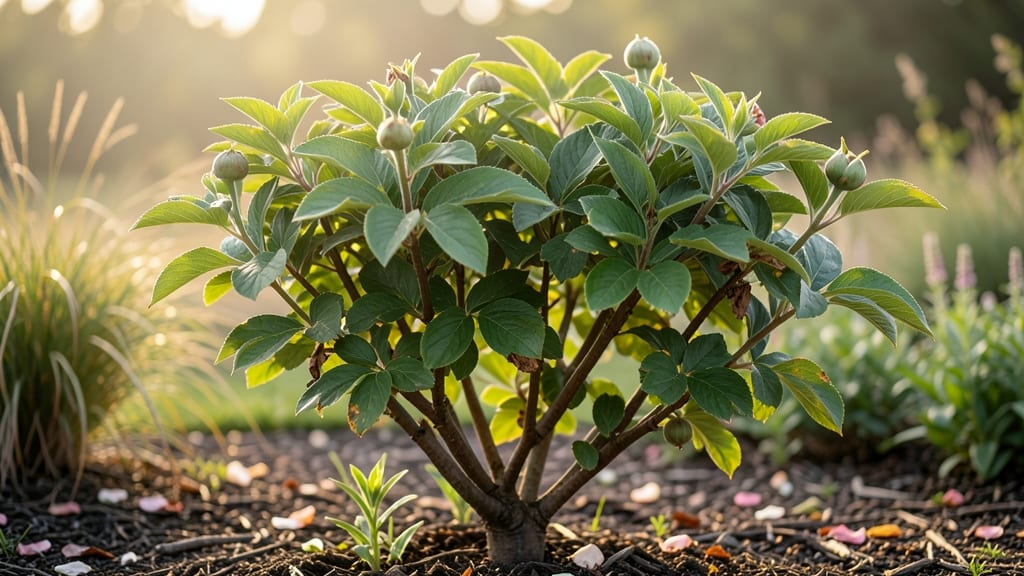
After your peony bush finishes its spectacular spring show, the real work begins. ✨ Cutting back too soon or too late can rob you of next year's blooms, but I've learned the exact timing and technique that keeps my bushes thriving for decades—no guesswork involved.
The secret lies in waiting until late summer or early fall when the foliage naturally yellows. At that point, you can trim back the stems to just 2-3 inches above the ground, removing any dead or diseased leaves first.
This isn't just about looks—it's about giving your peony the energy it needs to build strong roots for next spring's blooms.
What you'll end up with is a bush that pushes out more and larger blooms the following year, with fewer floppy stems and stronger stems that support those heavy flower heads.
The process takes less than 20 minutes once you know what to look for, and it transforms what looks like a spent plant into a powerhouse for next season.
Works for all peony types—herbaceous, tree, and intersectional—though timing varies slightly by climate. Here's how to do it right without sacrificing next year's showstopper blooms.
📚 In This Guide
- What you need
- Instructions
- Tips and common mistakes
- Wrapping up and next steps
What you need
- ● Pruning shears: Bypass pruners (sharp, clean, and 5-7 inch blades) for clean cuts. 1 pair required.
- ● Gloves: Heavy-duty gardening gloves (cut-resistant, waterproof) to protect hands from thorns. 1 pair.
- ● Disinfectant: 70% isopropyl alcohol or hydrogen peroxide (3%) to sterilize tools. Small bottle (4 oz).
- ○ Pruning saw: Curved-blade saw (for thicker stems, if applicable). 1 optional.
- ○ Garden twine or labels: Biodegradable twine (10 ft roll) or plant markers to tag trimmed sections (optional but helpful).
- ● Knee pad or stool: For comfort during extended trimming. Adjustable kneeler recommended.
- ● Compost bin or bag: To collect pruned foliage for mulch. 10-gallon capacity suggested.
- ○ Fungicide spray: Copper-based fungicide (prevents disease). 8 oz spray bottle (optional but wise if peonies are prone to mildew).
- ● Sharpener: Pruner sharpening stone to maintain blade quality between uses.
How to prune peony bushes after blooming
Here's the method I use to keep my peonies thriving—it’s simple but makes all the difference for next season’s flowers.
✂️ Step 1: Wait Until Flowers Fully Fade
Never cut back peony stems until they’ve completely browned and died back naturally. This usually happens 4-6 weeks after blooming, depending on your climate. I wait until the foliage looks crispy and the stems turn a dull brown—this ensures the plant has stored enough energy in its roots for next year.
If you prune too early, you’ll cut off the plant’s food supply just when it needs it most. Peonies are tough, but they’re not invincible—this is where most gardeners go wrong. Mark your calendar or set a reminder to check them in late summer to avoid the temptation of early trimming.
✂️ Step 2: Cut Stems Back to the Ground
Once the stems are fully dead, use clean, sharp pruners to cut them back to 1-2 inches above the soil line. This removes the old growth while leaving the new buds at the base untouched. I like to make the cuts at a slight angle to prevent water from pooling on the stubs, which could lead to rot.
Don’t worry about leaving a messy look—peonies are hardy and will push through the soil as new growth starts in spring. If you’re dealing with a large bush, work in sections to avoid overwhelming yourself. A little patience here pays off with bigger, healthier blooms next year.
✂️ Step 3: Remove Any Diseased or Weak Stems
While you’re trimming, inspect the stems for signs of disease, such as black spots, mold, or soft, mushy areas. Snip these out immediately and dispose of them in the trash—not the compost pile—to prevent spreading issues. Healthy stems should feel firm and dry, not squishy or discolored.
This is also a good time to thin out crowded stems if your peony bush has gotten too dense. Aim to leave 3-5 of the strongest, healthiest stems per plant. Overcrowding leads to smaller blooms and weaker growth, so a little ruthless pruning now means bigger, showier flowers later.
🌱 Step 4: Mulch and Fertilize for Next Season
After pruning, spread a 2-3 inch layer of organic mulch around the base of the plant to protect the roots and retain moisture. I use shredded bark or compost because it breaks down slowly and adds nutrients to the soil over time. Avoid piling mulch directly against the stems—keep it 2-3 inches away to prevent rot.
In early spring, before new growth appears, add a balanced, slow-release fertilizer (like a 10-10-10) around the base of the plant. Peonies aren’t heavy feeders, but a little extra nutrients in early spring helps them put on strong growth. Water the area lightly after fertilizing to help it settle into the soil.
☀️ Step 5: Monitor for New Growth in Spring
Once spring arrives, keep an eye out for new shoots emerging from the base of the plant. These are your peony’s way of telling you it’s ready to grow again. Water deeply once a week during dry spells to encourage strong root development, but avoid overwatering—peonies prefer well-drained soil and hate soggy roots.
If you notice any yellowing leaves or stunted growth, it could be a sign of overwatering or nutrient deficiency. Adjust your care accordingly, and don’t be afraid to give your peonies a little extra attention. With the right pruning and care, they’ll reward you with lush, vibrant blooms for years to come.
Tips & tricks for pruning peony bushes after blooming
A few simple tricks will help you avoid common mistakes and ensure your peonies thrive for years to come.
Timing is Everything: The 4-6 week waiting period after blooming is non-negotiable—don't rush it! I've seen gardeners cut back too early and end up with weak stems the next year. Look for stems that are completely brown and crispy, not just wilting. In hot climates, this might happen in early August, while cooler regions may need to wait until September. The key is patience—this waiting period lets the plant store energy in its roots for next spring's blooms.
Tool Prep Matters: Before you start cutting, sterilize your pruners with rubbing alcohol to prevent spreading disease between plants. I also recommend using sharp pruners—they make cleaner cuts that heal faster. Make sure to clean the blades between cuts if you're working with multiple peony bushes. A dull blade can crush stems, making them more susceptible to rot.
Visual Cues for Pruning: When cutting back to 1-2 inches above the soil line in Step 2, look for the small buds at the base of the plant—these are your future blooms! The slight angle cut prevents water from pooling on the stubs, which is crucial for preventing rot. If you're unsure about where to cut, imagine drawing a line 1-2 inches above the soil and making your cuts just above that line.
Pro Tips for Peony Bush After Bloom
- A few simple tricks will help you avoid common mistakes and ensure your peonies thrive for years to come.
- Timing is Everything: The 4-6 week waiting period after blooming is non-negotiable—don't rush it!
- Tool Prep Matters: Before you start cutting, sterilize your pruners with rubbing alcohol to prevent spreading disease between plants.
Frequently asked questions
Got questions about caring for your peony bush after bloom? You’re not alone! Here are answers to the most common concerns—so you can keep your garden thriving for years to come.
When is the best time to trim peony bushes after they bloom?
Wait until late summer or early fall (after the foliage yellows) to trim peony bushes. Cutting too early removes next year’s flower buds, which form on stems underground. A light prune in September or October keeps the plant healthy without sacrificing blooms.
How much should I cut back peony bushes after blooming?
Peonies need minimal trimming—just remove dead or damaged foliage by cutting stems down to the ground. Avoid heavy pruning; over-trimming can weaken the plant. Leave the base intact, as it stores energy for next season’s growth.
Are peony bushes prone to pests or diseases after blooming?
Yes! Watch for aphids, Japanese beetles, or fungal issues like botrytis blight. Remove affected leaves promptly and apply neem oil or insecticidal soap if needed. Good airflow (from light pruning) helps prevent mold.
Can I divide my peony bush after it blooms?
Dividing peonies is best done in early fall (September-October). Wait until after blooming to assess the plant’s health, but avoid dividing newly planted peonies for at least 2–3 years. Dig carefully to preserve roots—peonies are sensitive!
Do peony bushes need winter protection after trimming?
Peonies are hardy but benefit from a light mulch (2–3 inches) in cold climates (zones 3–7). Use straw or shredded leaves to insulate roots. Avoid heavy mulch, which can rot stems. Most peonies survive winter fine with just a little extra care!
Wrapping up and next steps
Caring for your peony bush after bloom isn’t just about tidying up—it’s your secret to next year’s stunning, vibrant blooms! 🌸 By following the right trimming techniques, you’re setting the stage for healthier growth, stronger stems, and even more show-stopping flowers.
Whether you’re a seasoned gardener or just starting out, every snip is a step toward a thriving garden.
Ready to level up your peony care? Grab your pruners, mark your calendar for late fall, and give your bush the attention it deserves. Your future self—and your garden—will thank you!