
Pruning
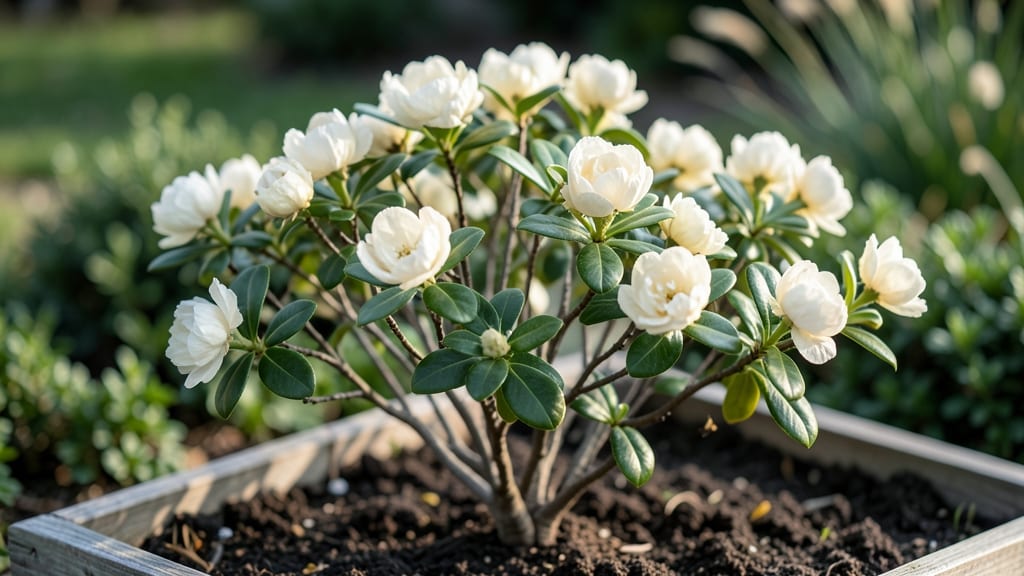
Edgeworthia chrysanthus (paper bush) transforms your garden into a fragrant winter wonderland. 🌿 I’ve pruned mine for years, and the secret to its lush, papery bark and intoxicating blooms lies in year-round care—not just seasonal trims.
This isn’t your typical shrub; it rewards patience with velvety stems and clusters of vanilla-scented flowers that appear before leaves even emerge.
The key is light pruning after flowering to shape it without sacrificing next year’s blooms. Paper bush thrives in partial shade and well-draining soil—think woodland edges or under trees. Overwatering is its downfall, so let the soil dry between drinks, especially in winter when it’s dormant but not dead.
I’ve seen mine bounce back from neglect, but consistent moisture keeps it thriving.
By spring, you’ll notice fresh green leaves pushing from the branches, followed by those signature winter flowers. The papery bark peels dramatically in summer, adding texture to any garden.
Prune lightly in late winter to encourage dense growth, and avoid heavy cuts—this shrub grows slowly but steadily, building its signature character over time.
Perfect for small gardens, containers, or as a focal point in shaded borders. Even in colder zones, it handles frost beautifully, making it a low-maintenance star. Let’s get yours looking its best—year after year.
📚 In This Guide
- What you need
- Instructions
- Tips and common mistakes
- Wrapping up and next steps
What you need
- ● Pruning shears: Bypass pruners (sharp, clean, and bypass-style for clean cuts) – 1 pair.
- ○ Hand pruners: For smaller branches – 1 pair (optional but handy!).
- ● Loppers: For thicker stems (½"–1½" diameter) – 1 pair.
- ● Disinfectant: 70% isopropyl alcohol or rubbing alcohol – small bottle (to sterilize tools between cuts).
- ● Garden gloves: Cut-resistant (nitrile or leather) – 1 pair (protects from thorns and sap).
- ● Rake or broom: For clearing fallen debris – 1.
- ○ Compost bin or bag: For pruned branches (optional but eco-friendly!).
- ● Pruning saw: For stubborn, thick branches – 1 (if your loppers can’t handle it).
- ● Hose or water spray bottle: To clean tools and rinse sap off hands.
- ● Labeling tags: If propagating cuttings (e.g., plant markers or ziplock bags with moisture).
- ● Mulch: Organic mulch (e.g., shredded bark) to protect roots post-pruning.
- ● Knowledge: Familiarize yourself with Paper Bush growth habits (e.g., blooms on old wood, semi-evergreen foliage).
- ● Timing: Plan pruning sessions for late winter/early spring (before new growth) or summer (light maintenance).
- ● Safety: Wear gloves and eye protection if your bush has thorny stems!
Step-by-Step pruning guide for Edgeworthia chrysanthus (Paper Bush)
Here's how to coax year-round blooms and dense foliage from your Paper Bush—no fancy tools required.
✂️ Step 1: Prune Immediately After Spring Blooms
Once the fragrant yellow winter flowers have faded completely, cut back each stem by one-third to just above a leaf node. This encourages dense branching and prevents leggy growth. I like to do this in early spring when new shoots are still soft—you'll see fresh buds forming within weeks.
Use sharp, clean pruners to make cuts at a 45-degree angle just above a leaf node. Avoid cutting into old wood—new growth emerges from the current season's stems. If you see any dead or crossing branches, remove them completely to improve airflow and reduce disease risk.
🌿 Step 2: Light Summer Pruning for Shape and Airflow
In mid-summer, give your Paper Bush a light shaping trim to maintain its natural form. Focus on removing any stems that are growing inward or crossing others. You'll notice new growth along the remaining branches—this is your plant's way of filling in gaps.
Never remove more than 20% of the plant's foliage at once. Edgeworthia responds poorly to heavy pruning, so think of this as a gentle maintenance rather than a dramatic reshaping. After pruning, give the plant a deep watering to help it recover quickly.
⏰ Step 3: Minimal Fall Pruning to Prepare for Winter
In late fall, after the first hard frost, do a final light pruning to remove any dead or damaged stems. This is also the time to thin out any overly crowded branches. The goal here is to create space for next year's growth while protecting the plant's structure.
I avoid heavy pruning in fall because the plant needs all its energy reserves to survive winter. Instead, focus on cleaning up the plant's appearance. Remove any stems that look brown or mushy—these won't survive the cold and could harbor pests.
🌱 Step 4: Post-Winter Pruning to Stimulate New Growth
As soon as you see new green shoots emerging in late winter or early spring, do a light trim to encourage bushier growth. Cut back any weak or spindly stems by half. This is the perfect time to shape the plant because it's still dormant but about to burst into activity.
Watch for the first signs of leaf buds—this is your cue that the plant is waking up. A light pruning now will promote a fuller, more vibrant bush. Avoid pruning when the plant is under stress from extreme cold or drought, as it will take longer to recover.
☀️ Step 5: Year-Round Maintenance Checks
Throughout the year, do a quick monthly inspection of your Paper Bush. Look for any stems that are growing in odd directions or crossing others. A little regular maintenance prevents the need for drastic pruning later. You'll also spot any signs of pests or disease early, giving you time to address them.
Edgeworthia thrives on consistency, so stick to this schedule. Over time, you'll develop an instinct for when it's time to prune—your plant will tell you through its growth patterns. The key is to always prune just enough to encourage new growth without overdoing it.
Tips & tricks for perfect Paper Bush pruning
These simple yet game-changing strategies will help you transform your Paper Bush into a lush, fragrant beauty year after year.
Tool Prep Matters: Before you begin pruning in Step 1, sterilize your pruners with rubbing alcohol to prevent spreading disease. I always make a habit of cleaning them between cuts—this keeps your Paper Bush healthy and vigorous. The 45-degree angle mentioned in Step 1 isn't just about aesthetics; it helps water run off the cut, reducing the risk of rot at the wound site.
Seasonal Timing Secret: In Step 4, when you see those first green shoots emerging, that's your perfect cue—but don't rush! Wait until you can see at least two sets of leaf buds on the new growth before pruning. This ensures you're cutting back just enough to stimulate bushiness without removing too much growth potential. Patience here pays off with denser foliage.
Visual Growth Cues: For Step 5's monthly inspections, look for what I call the "three Ds"—dead, dying, and crossing branches. Dead branches are brown and brittle, dying ones are brown but still pliable, and crossing branches are obvious when stems rub against each other. Removing these prevents disease and allows light to penetrate to the center of your bush, encouraging more blooms.
Pro Tips for Paper Bush Edgeworthia
- These simple yet game-changing strategies will help you transform your Paper Bush into a lush, fragrant beauty year after year.
- Tool Prep Matters: Before you begin pruning in Step 1, sterilize your pruners with rubbing alcohol to prevent spreading disease.
- Seasonal Timing Secret: In Step 4, when you see those first green shoots emerging, that's your perfect cue—but don't rush!
Frequently asked questions
When is the best time to prune my Paper Bush?
The ideal time to prune Edgeworthia chrysanthus is late winter or early spring (February–March), just before new growth begins. This encourages vibrant blooms in late winter/early spring. Light trimming to shape can also happen after flowering (April–May), but avoid heavy cuts then.
How much can I trim back without harming the plant?
You can safely trim up to one-third of the plant’s height in a single session, but avoid cutting into old, woody stems—focus on renewal branches (younger, green growth). Over-pruning can stress the plant, so gradual shaping works best. If you’re unsure, err on the side of caution and trim less!
Why aren’t my Paper Bush blooms as fragrant as they used to be?
Fading fragrance often signals overcrowded branches or lack of sunlight. Thin out dense areas to improve airflow, and ensure it gets at least 6 hours of sunlight daily. Deadheading spent flowers (removing faded blooms) also encourages new, fragrant growth. If the issue persists, check for pests like spider mites, which can weaken the plant.
Can I propagate my Paper Bush from cuttings?
Yes! Take 4–6 inch semi-hardwood cuttings in late summer (August–September), dip them in rooting hormone, and plant in a mix of perlite and peat moss. Keep them moist and in partial shade until roots form (about 4–6 weeks). Patience is key—Paper Bush cuttings root slowly! Alternatively, layering (bending a low branch to the ground and covering it) also works.
How do I protect my Paper Bush in cold climates?
While Edgeworthia chrysanthus is hardy to USDA Zone 7, young plants or extreme winters (below 0°F) may need help. Mulch heavily around the base with wood chips or straw, and wrap the crown in burlap or frost cloth for added insulation. Avoid pruning in late fall, as fresh cuts are more vulnerable to cold damage.
What should I do if my Paper Bush gets leaf spot or fungal issues?
Leaf spot (brown/yellow spots) often appears in humid conditions. Prune affected leaves immediately, and space plants for better airflow. Apply a copper fungicide or neem oil spray as a preventive measure. Water at the base (not overhead) and avoid wetting foliage to reduce future risks.
Wrapping up and next steps
Mastering the art of pruning your Edgeworthia chrysanthus (Paper Bush) unlocks its full potential—vibrant blooms, fragrant foliage, and a stunning year-round silhouette! 🌿 With the right tools, timing, and techniques, you’re well on your way to nurturing a thriving plant that rewards both beauty and ease. Now’s the perfect moment to roll up your sleeves and give your Paper Bush the care it deserves!
Ready to elevate your gardening game? Start by scheduling your next pruning session—whether it’s shaping after spring blooms or light maintenance in early autumn. Your Paper Bush will thank you with lush, fragrant growth for seasons to come!