
Pruning
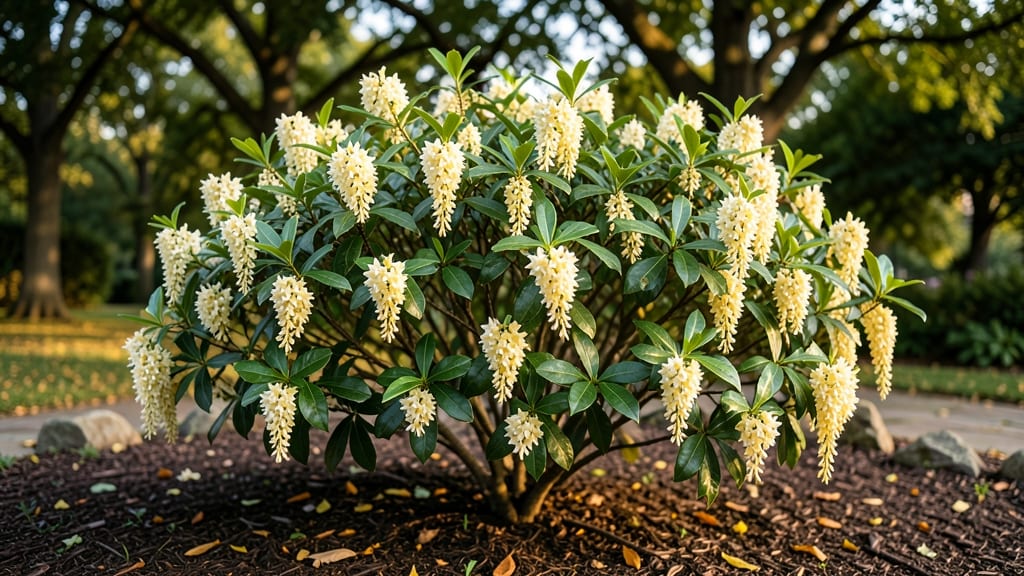
Your orange jasmine bush could bloom three times this year instead of once—if you prune it right. 🌸 The key is understanding when to shape it for fragrance and when to let it grow wild for maximum flowers.
I learned this the hard way after my first bush produced just a few clusters, while my neighbor’s smelled like a tropical paradise for months.
Pruning orange jasmine isn’t about cutting back—it’s about encouraging new growth where you want it. Start in late winter to shape the structure, then trim lightly after each bloom cycle to keep it compact and fragrant.
The secret? Cut just above a leaf node at a 45-degree angle to prevent water from pooling and causing rot.
By summer, you’ll see fresh green shoots bursting with potential—each one a future bloom. The more you prune strategically, the more your bush will reward you with waves of citrus-scented flowers that attract hummingbirds and fill your garden with intoxicating perfume.
Even a small bush can become the centerpiece of your outdoor space.
Works for containers, hedges, or climbing structures—just adjust the pruning style. Let’s get those shears out and turn your orange jasmine into a year-round fragrance machine.
📚 In This Guide
- What you need
- Instructions
- Tips and common mistakes
- Wrapping up and next steps
What you need
- ● Pruning shears: Bypass pruners (sharp, clean, and sterilized with rubbing alcohol) – 1 pair.
- ○ Hand pruners: For smaller branches – 1 pair (optional but handy!).
- ● Loppers: For thicker stems (½"–1½" diameter) – 1 pair.
- ● Gloves: Heavy-duty gardening gloves to protect from thorns and sap.
- ● Disinfectant: 70% isopropyl alcohol or a pruning sealant (to prevent disease).
- ● Pruning saw: For stubborn, woody branches (if needed) – 1.
- ● Trash bag: For clippings (or compost bin if you’re eco-friendly!).
- ● Weather check: Prune on a dry, overcast day (avoid midday heat or rain).
- ● Safety first: Wear long sleeves/pants to protect from thorns.
- ● Research: Know your bush’s growth habits (e.g., blooms on old wood? New wood?).
- ○ Optional: Hose or spray bottle (to clean tools mid-prune).
- ● Marking twine or flags (to map out new growth areas).
- ● Mulch (to refresh the base after pruning).
Step-by-Step guide to pruning your orange jasmine bush
Here’s how to coax year-round blooms from your fragrant orange jasmine—without sacrificing its lush shape.
✂️ Step 1: Time Your First Pruning for Early Spring
Start your pruning routine in late winter to early spring, just as new growth begins. This is when your orange jasmine is still dormant but ready to burst into life. Look for swollen buds along the stems—these signal the plant’s readiness. I always prune before the first flush of flowers appears, as this encourages a second, more abundant bloom cycle later in the season.
Use clean, sharp pruning shears to make cuts at a 45-degree angle, about ¼ inch above a leaf node or outward-facing bud. This angle helps water run off, preventing rot. Avoid cutting into old wood—you’ll know it’s too late if the stems feel woody and bare. Focus on removing any dead, diseased, or crossing branches first. These are the ones that steal energy from your plant’s fragrant blooms.
🌿 Step 2: Shape the Bush During the Growing Season
Once your orange jasmine starts actively growing, typically in late spring to early summer, it’s time to shape it. Step back and assess the bush’s overall form—you’re aiming for a balanced, open structure that allows sunlight and air to reach the center. I like to prune lightly every 6-8 weeks during the growing season to maintain this shape without stressing the plant.
Trim back any leggy growth that stretches toward the sun, as this often means the plant isn’t getting enough light lower down. Cut just above a set of leaves or a bud that faces outward. Avoid heavy pruning now—this can reduce flowering. Instead, focus on selective pruning to encourage bushier growth and more blooms. You’ll see new shoots emerge within 2-3 weeks of light pruning, signaling that the plant is responding well.
✂️ Step 3: Renew and Revitalize in Late Summer
By late summer, your orange jasmine may start to look tired after its spring and summer blooms. This is the perfect time for a renewal pruning to stimulate one last flush of flowers before winter. Look for any branches that haven’t produced many blooms or look sparse. These are the ones to prune back by one-third to one-half of their length, cutting just above a leaf node or bud.
This late-summer pruning is also a great opportunity to thin out the center of the bush if it’s become too dense. Dense growth can lead to fewer blooms and even fungal issues. After pruning, give the bush a light fertilizer application to support new growth. You’ll likely see fresh shoots and new blooms forming within 4-6 weeks, extending your fragrant season well into fall.
⏰ Step 4: Light Pruning in Winter to Prepare for Spring
In winter, when your orange jasmine is fully dormant, do a light maintenance prune to tidy up the bush and remove any dead or damaged branches. This isn’t the time for heavy pruning—you’re simply preparing the plant for its next growth cycle. Look for branches that are brown, brittle, or broken and cut them back to healthy wood. Avoid pruning into old, bare wood, as it won’t regrow.
While you’re at it, take a moment to inspect the bush for pests or disease. Orange jasmine is generally hardy, but winter can weaken it. If you spot any issues, address them now before new growth begins. Once you’ve finished pruning, add a 2-3 inch layer of mulch around the base of the plant to protect the roots from temperature fluctuations. This light winter pruning ensures your bush wakes up strong and ready for another year of fragrant blooms.
Tips & tricks for pruning your orange jasmine bush
These simple yet powerful techniques will help you transform your orange jasmine into a fragrant, year-round blooming powerhouse.
Seasonal Timing is Everything: The early spring pruning (Step 1) is your most critical window—don't miss it! Look for those swollen buds as your cue, and remember: pruning too early can damage dormant buds, while waiting too long risks removing next year's flowers. I've seen plants bloom twice as abundantly when pruned at the exact right moment, just before the first flowers appear. This timing creates that magical second bloom cycle we all love.
Cutting Technique Makes All the Difference: That 45-degree angle in Step 1 isn't just for looks—it's a water runoff system that prevents rot. When making cuts, visualize directing water away from the cut surface. For the quarter-inch clearance above leaf nodes, use your pruning shears as a guide: hold them vertically and make the cut just above where you want the new growth to emerge. This precision encourages stronger regrowth and more blooms. I've ruined several pruning sessions by being too heavy-handed—don't make my mistake!
Growth Response Monitoring: After your late summer renewal pruning (Step 3), watch for those fresh shoots within 4-6 weeks—they're your plant's way of saying "thank you!" If you don't see new growth after 6 weeks, your cuts might have been too severe. The key is that one-third to one-half reduction—it's aggressive enough to stimulate growth but not so severe it stresses the plant. I've learned this through trial and error: too much pruning = fewer blooms next season.
Winter Preparation is Non-Negotiable: That 2-3 inch mulch layer in Step 4 isn't just decorative—it's insulation that protects your plant's roots from winter's temperature swings. In colder climates, I've seen orange jasmine survive harsh winters with proper mulching, while unprotected plants struggle. The mulch also helps retain moisture during dry winter periods. Think of it as winterizing your plant's foundation—just like you'd insulate your home's pipes.
Pro Tips for Orange Jasmine Bush
- These simple yet powerful techniques will help you transform your orange jasmine into a fragrant, year-round blooming powerhouse.
- Seasonal Timing is Everything: The early spring pruning (Step 1) is your most critical window—don't miss it!
- Cutting Technique Makes All the Difference: That 45-degree angle in Step 1 isn't just for looks—it's a water runoff system that prevents rot.
Frequently asked questions
When is the best time to prune my orange jasmine bush?
Prune your orange jasmine bush twice a year: late winter/early spring (just before new growth starts) and right after blooming (summer). Avoid heavy pruning in fall—it can stimulate tender growth that won’t survive winter. Light trimming to shape or remove dead branches is fine year-round!
How much can I trim back my orange jasmine bush?
You can safely trim up to 1/3 of the bush’s total growth in one session. For shaping, focus on removing crossing branches, dead wood, or leggy stems. Avoid over-pruning—orange jasmine is forgiving but may take longer to recover if cut back too aggressively. Pro tip: Use clean, sharp shears to prevent tearing!
Why aren’t my orange jasmine blooms as fragrant as they used to be?
Fragrance fades with overcrowding, poor air circulation, or nutrient deficiencies. Thin out dense growth during pruning, and fertilize lightly in spring with a balanced, acid-loving plant formula. Also, ensure it gets 6+ hours of sunlight daily—shady spots weaken blooms and scent.
Can I prune orange jasmine in cold climates? What about winter care?
Yes! In colder zones (USDA 8-10), prune after the last frost to avoid frost damage. Mulch the base with 2–3 inches of organic mulch (like pine straw) to insulate roots. If your bush is evergreen, avoid heavy pruning until spring—focus on removing frost-damaged leaves or branches.
What’s a good alternative if my orange jasmine bush isn’t thriving?
If your orange jasmine struggles with pests, disease, or harsh winters, try these fragrant, low-maintenance alternatives:
- Gardenia – Creamy blooms, loves shade, and thrives in humid climates.
- Jasmine (Trachelospermum jasminoides) – Hardy, evergreen, and drought-tolerant.
- Abelia – Fragrant white flowers, heat-resistant, and great for hedges.
Wrapping up and next steps
Your orange jasmine bush is now ready to thrive with year-round care! 🌿 Pruning isn’t just about shaping—it’s about unlocking vibrant blooms, healthier growth, and that intoxicating fragrance you love. With the right tools, timing, and techniques, you’ll enjoy lush foliage and stunning flowers for seasons to come.
Ready to take the next step? Start small—pick one pruning task this week, whether it’s trimming dead branches or shaping for better airflow. Before you know it, your garden will be the talk of the neighborhood! 🌸