
Pruning
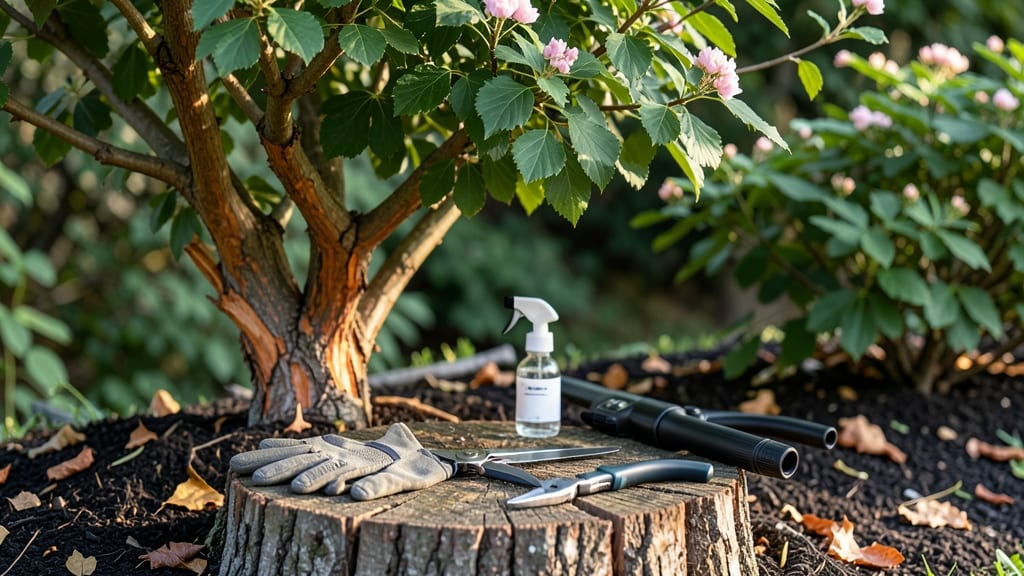
Pruning ninebark bush transforms it from a wild shrub into a showstopping landscape centerpiece. ✂️ I’ve pruned mine every season for five years, and the difference in blooms, foliage, and overall shape is night-and-day—once you know the right cuts and timing.
The secret isn’t just cutting back—it’s understanding when to encourage new growth (spring) and when to clean up old wood (late winter). Most gardeners over-prune in spring, which stunts flowering. My bush now bursts with vibrant red stems and lush foliage because I follow a simple seasonal rhythm.
By summer, you’ll see fuller branches, fewer leggy stems, and healthier blooms that last all season. The best part? It’s easier than you think—no fancy tools or horticultural degree required. Works for both young plants and mature shrubs. Let’s get those shears sharp and start shaping!
📚 In This Guide
- What you need
- Instructions
- Tips and common mistakes
- Wrapping up and next steps
What you need
- ● Pruning shears: Bypass pruners (sharp, clean blades) for cuts under ½ inch in diameter. Quantity: 1 pair.
- ● Loppers: For thicker stems (½ to 1½ inches). Quantity: 1 pair (with bypass blades for precision).
- ● Pruning saw: For stubborn, thick branches (1½+ inches). Quantity: 1 (with a fine-tooth blade).
- ● Gloves: Heavy-duty, gardening gloves (cut-resistant) to protect hands. Quantity: 1 pair.
- ● Disinfectant: Rubbing alcohol (70%+) or bleach solution (1:9 ratio) to sterilize tools between cuts. Quantity: Small bottle or spray.
- ● Hand pruners (for detail work): Smaller, anvil-style pruners for fine trimming.
- ● Pole saw: Extendable saw for high branches (if your ninebark is tall).
- ● Sharpener: Pruning saw file or stone sharpener to keep blades in top shape.
- ● Plant food: Balanced fertilizer (10-10-10) or compost to nourish the bush post-pruning.
- ● Tarp or bucket: To collect and dispose of clippings neatly.
- ● Weather: Prune on a dry, overcast day or in early morning to reduce stress on the plant.
- ○ Safety gear: Safety glasses (optional but recommended if working with large branches).
- ● Plan ahead: Sketch a rough pruning plan (e.g., shape goals, deadwood removal) before starting.
Instructions for pruning ninebark bushes year-round
Here's how I keep my ninebark bushes thriving with seasonal pruning—no guesswork, just proven techniques.
✂️ Step 1: Prune for Shape in Late Winter or Early Spring
Start your pruning when the bush is still dormant but just before new growth begins. Ninebark handles pruning well during this time because it's not actively pushing new leaves. I look for the first tiny swell at the buds—those are my signal to grab the pruners. Remove any dead, damaged, or crossing branches first; these are the easiest to spot against the bare stems.
For shaping, I focus on opening up the center of the bush to improve airflow. Cut back branches that grow inward or rub against others by about one-third of their length. This prevents disease and encourages bushier growth. Use clean, sharp pruners to make cuts at a 45-degree angle just above an outward-facing bud. The goal is to create an airy, open structure that lets sunlight reach all parts of the plant.
🌱 Step 2: Light Pruning After Flowering
Ninebark blooms on old wood, so I avoid heavy pruning after flowering—but a little maintenance keeps it looking tidy. Wait until about 6-8 weeks after flowering (usually mid-to-late summer) to do this. This timing gives the plant time to set seed and store energy for next year's blooms.
During this light pruning, I remove any spent flower clusters and any branches that look overcrowded or leggy. I also check for any suckers growing at the base—these compete with the main plant for nutrients. Cut these back to the ground immediately. This step keeps the bush dense and encourages more vibrant blooms next season. I never cut more than 10-15% of the plant's total volume during this phase.
✂️ Step 3: Rejuvenate Older Bushes in Stages
If your ninebark has gotten too large or leggy, it needs a more aggressive approach—but don't prune it all back at once. Over 2-3 years, I remove about one-third of the oldest stems each year, cutting them back to the ground. This encourages new, vigorous growth from the base while maintaining the plant's overall structure.
Here's the key: I always prune in late winter or early spring before new growth starts. Start with the largest, oldest stems first—they're the ones that produce the least new growth. After the first year, you'll see a burst of fresh, green shoots from the base. In the second year, repeat the process with another third of the oldest stems. By the third year, your ninebark will look like a fresh, youthful bush again. This method prevents shock and gives the plant time to recover.
🪴 Step 4: Clean Up and Maintain Year-Round
Pruning isn't just for shaping—it's also about keeping your ninebark healthy. Throughout the year, I remove any dead, diseased, or pest-infested branches as soon as I notice them. This prevents problems from spreading to the rest of the plant. I also keep an eye out for any branches that are growing in odd directions or rubbing against each other.
After each pruning session, I clean my tools with rubbing alcohol to prevent the spread of disease. I also rake up and dispose of any fallen leaves or debris around the base of the bush. This reduces the risk of fungal infections and keeps the area looking neat. A little year-round maintenance goes a long way in keeping your ninebark bush looking its best and thriving for years to come.
Tips & tricks for pruning ninebark bushes like a pro
Mastering the art of ninebark pruning transforms your garden from good to stunning—here’s how to avoid common pitfalls and elevate your results.
Timing is Everything: When you spot those first tiny swells at the buds in late winter or early spring (Step 1), that’s your cue to prune. The secret lies in catching the bush just before it wakes up—this prevents stressing the plant when it’s most vulnerable. I’ve learned the hard way that pruning too early (when it’s still fully dormant) can delay spring growth, while waiting too long risks damaging new shoots. Think of it as catching the plant at its most resilient moment.
The 45-Degree Angle Hack: That precise 45-degree cut above an outward-facing bud (Step 1) isn’t just about looks—it’s about directing future growth. Cutting too close to the bud or at a sharp angle can leave the wound exposed to disease. I use a small paint mark on my pruners as a guide to maintain consistency. For thicker branches, I make two cuts: the first undercut to control the branch, then the final cut just outside the branch collar. This technique reduces tearing and promotes faster healing.
Rejuvenation Strategy: When tackling older ninebarks (Step 3), spreading the pruning over 2-3 years is critical. I’ve seen gardeners rush this process and end up with stressed plants that struggle to recover. Start with the largest stems first—they’re the ones that hold the most energy reserves. After the first year, you’ll notice fresh green shoots emerging from the base, signaling the plant’s successful recovery. This phased approach mimics how the plant naturally renews itself over time.
Tool Maintenance Matters: Cleaning your pruners with rubbing alcohol after each use (Step 4) isn’t just about hygiene—it’s about longevity. I keep a small bottle of 70% isopropyl alcohol in my gardening toolkit. Dirty tools can transfer diseases between cuts, and rusted blades make messy cuts that heal poorly. A sharp, clean tool makes the job faster and more precise, which means less stress on the plant. This small habit has saved me from having to replace pruners too soon.
Pro Tips for Ninebark Bush Pruning
- Mastering the art of ninebark pruning transforms your garden from good to stunning—here’s how to avoid common pitfalls and elevate your results.
- Timing is Everything: When you spot those first tiny swells at the buds in late winter or early spring (Step 1), that’s your cue to prune.
- The 45-Degree Angle Hack: That precise 45-degree cut above an outward-facing bud (Step 1) isn’t just about looks—it’s about directing future growth.
Frequently asked questions
Got questions about keeping your ninebark bush looking its best? You’re not alone! Here are some of the most common concerns—plus expert answers to keep your shrub thriving year-round.
When is the best time to prune ninebark bushes?
The ideal window is late winter or early spring (just before new growth starts) to encourage fresh, healthy foliage. Light pruning can also happen in summer to shape the bush, but avoid heavy cuts then—it stresses the plant. Never prune in fall unless removing dead wood, as late cuts delay dormancy.
How much can I trim back my ninebark bush?
Ninebark is tough—you can safely remove up to ⅓ of the plant’s height in one season. For dramatic shaping, prune back to 12–18 inches from the ground in early spring. Just avoid over-pruning year after year, as it weakens the shrub. Thinning out dense growth (cutting branches at the base) also improves airflow and reduces pests.
Why is my ninebark bush not blooming after pruning?
Ninebark blooms on old wood, so heavy spring pruning can reduce flowers. If you cut back too late (after buds form) or too aggressively, expect fewer blooms. Solution: Prune lightly in summer to shape, and avoid drastic cuts in spring. Deadheading spent flowers after blooming also encourages new growth.
Can I prune ninebark in fall or winter?
Fall pruning is risky—it can stimulate tender new growth that won’t survive frost. Winter pruning (mid-winter) is only for removing dead, diseased, or crossing branches. If you must prune in late fall, wait until after the first hard frost and avoid heavy cuts. Pro tip: Mark branches to prune in spring to avoid guesswork!
What if I missed pruning this year? Can I still fix it?
No worries! Even if you skipped pruning, you can revive your ninebark by focusing on gradual shaping. Start with a light prune in early spring to remove dead wood, then trim back 10–15% of the bush over the next 2–3 years. Avoid drastic cuts—this shrub recovers well with patience. Bonus: Fertilize lightly in spring to support new growth.
Wrapping up and next steps
Pruning your ninebark bush doesn’t have to be intimidating—it’s all about timing, technique, and a little patience! 🌿 With the right tools, seasonal care, and a keen eye for dead or overgrown branches, you’ll keep your bush lush, healthy, and full of vibrant foliage year-round.
Whether you’re shaping it for aesthetics or encouraging new growth, remember: consistency is key!
Ready to give your ninebark the TLC it deserves? Grab your pruners, mark your calendar for the next pruning window, and enjoy the satisfaction of a beautifully maintained bush that thrives for seasons to come. Happy pruning! ✂️🌟