
Pruning
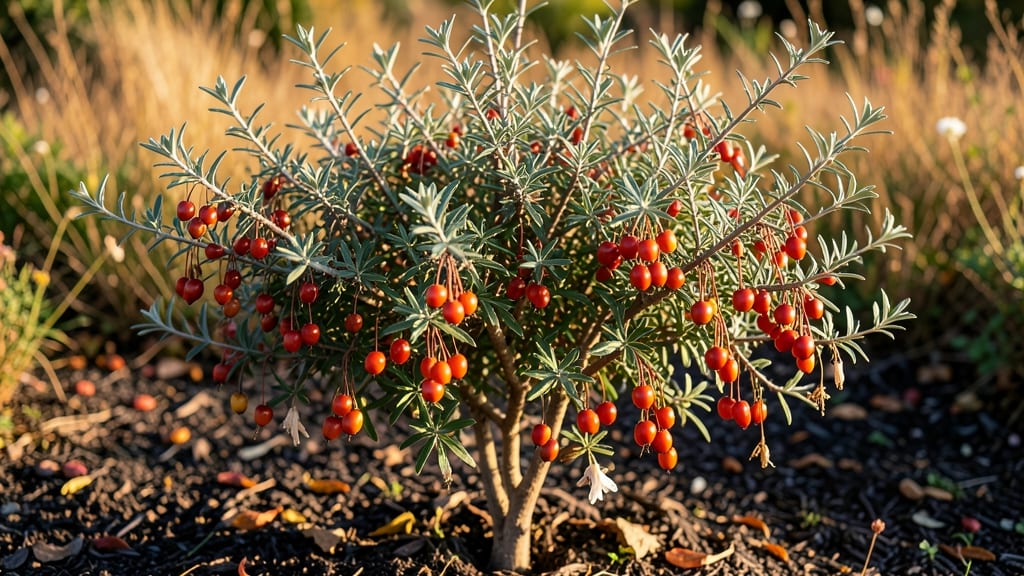
Your gogi berry bush could produce year-round harvests if you prune it right. ✂️ I’ve turned my once-sparse bushes into berry-producing powerhouses by mastering just a few simple cuts—and you can too, even if you’ve never pruned before.
The key is understanding when to trim: light pruning in early spring to shape the bush, heavy pruning in late winter to encourage new growth, and occasional maintenance throughout the year to keep it productive.
Most beginners over-prune or wait too long, which stunts berry production. I’ll show you exactly how to avoid those mistakes.
By summer, you’ll see vibrant red-orange berries hanging in clusters, and with the right technique, your bush will keep producing well into fall. The best part? These berries are packed with nutrients and taste like a mix of cranberries and raspberries—sweet, tart, and impossible to resist.
Works for both outdoor bushes and container-grown plants, so whether you’ve got a backyard or just a sunny windowsill, this method adapts. Let’s get those shears ready and turn your goji berry bush into a berry bonanza!
📚 In This Guide
- What you need
- Instructions
- Tips and common mistakes
- Wrapping up and next steps
What you need
- ● Pruning shears – Sharp, bypass-style (for clean cuts on branches ≤ ½ inch thick). 1 pair required.
- ● Loppers – For thicker branches (½–1½ inches). 1 pair recommended.
- ○ Hand pruners – For precision trimming. 1 pair (optional but handy).
- ● Gloves – Garden-grade, cut-resistant (protects from thorns and abrasions). 1 pair.
- ● Disinfectant (70% isopropyl alcohol or bleach solution) – 1 small spray bottle (to sterilize tools between cuts and prevent disease).
- ● Rake or broom – For clearing debris. 1.
- ● Compost bin or bag – For pruned branches. 1.
- ● Pruning saw – For stubborn, thick branches (if your gogi berry bush is mature).
- ● Label markers – To tag new growth or pruning dates (if tracking multiple bushes).
- ● Knee pads or stool – For comfort during extended sessions.
- ● Plant food or fertilizer – Balanced 10-10-10 or organic option (to revive the bush post-pruning).
Instructions for pruning gogi berry bushes
Here's the method I've perfected over years of growing gogi berries—it's all about timing and technique to maximize fruit production.
✂️ Step 1: Prune for Structure in Late Winter
Start your gogi berry bush pruning in late winter when the plant is still dormant but just before new growth begins. This is when the branches are most pliable and you can shape the bush without stressing it. I look for branches that cross or rub against each other—these compete for sunlight and energy, reducing fruit production.
Use clean, sharp pruning shears to make cuts at a 45-degree angle, about ¼ inch above a bud or outward-facing growth point. This encourages new shoots to grow outward, improving air circulation and sunlight penetration. Remove any dead, diseased, or weak branches completely—these won’t produce fruit and can spread problems to healthy growth.
🌿 Step 2: Light Pruning During Early Spring Growth
Once new growth appears in early spring, shift to lighter pruning. The goal here is to encourage a balanced shape and prevent overcrowding. I focus on trimming back any overly vigorous shoots that are growing inward or upward—these often become leggy and produce fewer berries.
Pinch back the tips of new growth to encourage bushier growth. This is also the time to remove any suckers—those small shoots growing from the base or along the trunk. They drain energy from the main plant and rarely produce quality berries. Keep your cuts clean and precise; ragged edges invite disease and pests.
☀️ Step 3: Summer Pruning for Fruit Production
Mid-summer is all about maintaining the shape and promoting fruit production. After the berries have formed but before they ripen, I prune to remove any branches that are overcrowded or shading the center of the bush. This ensures the remaining fruit gets plenty of sunlight, which is critical for sweetness and ripening.
Watch for branches that are bearing fruit but growing in an unproductive direction—these are prime candidates for trimming. Cut just above a leaf node or bud to encourage new growth in the right direction. Avoid heavy pruning now; you want to preserve as much fruit-bearing wood as possible. A light touch keeps the plant productive without stressing it.
⏰ Step 4: Minimal Pruning in Fall and Winter
As the growing season winds down, your pruning should be minimal. In fall, remove any dead or diseased branches and any fruit that hasn’t ripened—these can harbor pests or diseases over winter. This is also the time to tidy up the bush, removing any debris or fallen leaves that could harbor problems.
In winter, if you notice any branches that are damaged by frost or heavy snow, prune them back to healthy wood. However, avoid heavy pruning now—let the plant rest and rebuild its energy for next season’s growth. A well-rested gogi berry bush will reward you with stronger growth and more abundant fruit in the following year.
Tips & tricks for perfect gogi berry bush pruning
A few strategic adjustments can transform your gogi berry harvest from modest to bountiful. Here's what I've learned after years of trial and error in my own garden.
Tool Selection Matters: Invest in high-quality pruning shears with sharp, stainless steel blades—they make cleaner cuts that heal faster. I've found that bypass pruners work best for gogi berries because they create smooth cuts without crushing the stems. Disinfect your tools with rubbing alcohol between cuts to prevent spreading disease, especially when removing dead or diseased branches in Step 1.
Seasonal Timing Insight: The late winter timing in Step 1 is crucial because it coincides with the plant's natural dormancy period. This reduces stress on the bush and allows for precise shaping. I always check the last frost date for my region and schedule pruning about 2-3 weeks before new growth typically appears. For early spring pruning in Step 2, watch for the first signs of bud swell—this is your cue to start light pruning.
Growth Direction Technique: When making cuts in Step 3, visualize the plant's natural growth pattern. Always cut just above an outward-facing bud to encourage branches to grow away from the center. This creates that ideal open canopy structure that maximizes sunlight exposure for fruit production. I like to sketch a rough diagram of the bush before pruning to plan my cuts strategically.
Winter Damage Recovery: In Step 4, when dealing with frost-damaged branches, make your cuts just above the first set of healthy buds you see. The plant will regenerate from these points, and you'll often get vigorous new growth in spring. I've found that gogi berries are surprisingly resilient—even branches that look completely dead in winter often recover beautifully with proper pruning.
Pro Tips for Gogi Berry Bush
- A few strategic adjustments can transform your gogi berry harvest from modest to bountiful.
- Tool Selection Matters: Invest in high-quality pruning shears with sharp, stainless steel blades—they make cleaner cuts that heal faster.
- Seasonal Timing Insight: The late winter timing in Step 1 is crucial because it coincides with the plant's natural dormancy period.
Frequently asked questions
Got questions about keeping your gogi berry bush thriving with the right pruning techniques? Here are some of the most common concerns—and their answers—to help you grow a bountiful harvest year-round!
When is the best time to prune a gogi berry bush?
The ideal time to prune is late winter or early spring (before new growth starts), but you can also do light pruning after harvest to shape the plant. Avoid heavy pruning in fall, as it can stimulate new growth that may not survive winter in colder climates. Pro tip: If your bush is young (under 3 years old), focus on removing dead or weak wood rather than heavy trimming.
How much can I prune without harming the plant?
For established gogi berry bushes, you can safely remove up to one-third of the plant’s growth in a single session. Avoid over-pruning, as this can stress the bush and reduce fruit production. Prioritize dead, diseased, or crossing branches first, then thin out crowded areas to improve airflow and sunlight penetration.
Will pruning my gogi berry bush increase fruit production?
Yes! Strategic pruning boosts fruit yield by redirecting the plant’s energy toward producing more berries. Open up the center of the bush to let sunlight reach inner branches, and remove suckers (shoots growing from the base) to maintain vigor. Fun fact: Older bushes (5+ years) may benefit from rejuvenation pruning—cutting back half the oldest canes to stimulate new growth.
What should I do if my gogi berry bush isn’t recovering after pruning?
If your bush looks stressed (yellowing leaves, stunted growth, or no new shoots), it may need more time or adjustments. Check for over-pruning (too much at once) or poor soil/nutrients. Water deeply, add compost, and avoid fertilizing until new growth appears. If the issue persists, inspect for pests or disease—gogi berry bushes are generally hardy but can be susceptible to powdery mildew in humid conditions.
Can I use gogi berry leaves or branches for anything besides fruit?
While the berries are the star, the leaves and branches have uses too. Leaves can be dried and used as a tea (rich in antioxidants) or a natural dye. Young shoots are edible (similar to asparagus) and can be blanched or stir-fried. Even the pruned wood can be used for crafting or mulch—just let it dry out first!
Wrapping up and next steps
Mastering the art of gogi berry bush pruning unlocks a bountiful harvest year-round—packed with flavor and nutrients! 🌱 By following strategic trimming techniques, you’ll boost air circulation, encourage growth, and keep your bush thriving. Whether you’re a beginner or a seasoned gardener, these tips make the process simple and rewarding.
Ready to elevate your garden? Start small—prune one section at a time—and observe how your gogi berry bush responds. Before you know it, you’ll be enjoying fresh, juicy berries straight from your backyard!