
Pruning
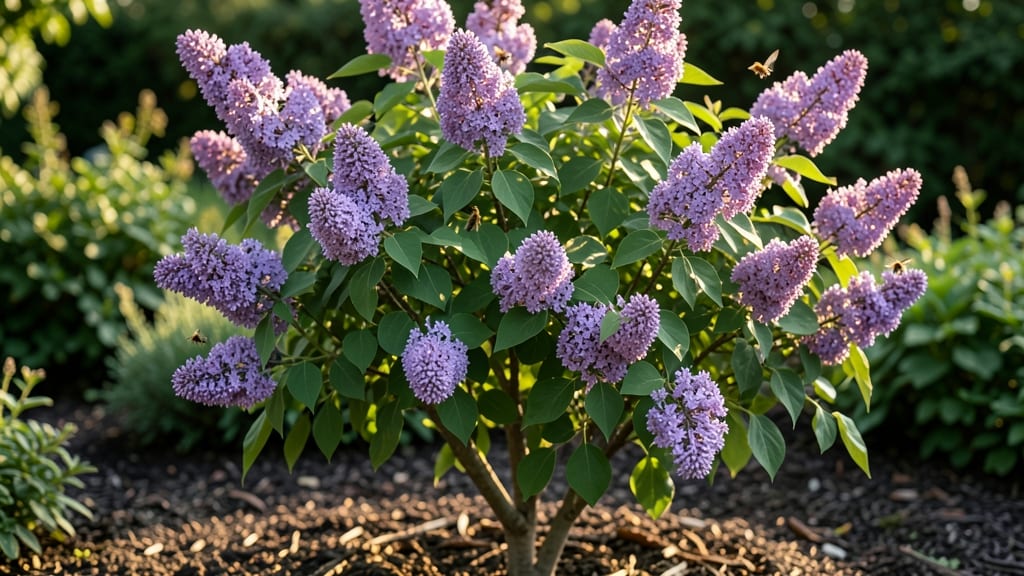
The most fragrant lilac bush you'll ever grow is waiting for you—Sylvia and Miss Perry top the charts with intoxicating sweetness that lingers for hours. 🌸 I planted mine near my patio last spring, and now every evening, the scent drifts through the open windows, stronger than any store-bought air freshener.
These varieties aren't just pretty—they're powerhouses of perfume. Sylvia blooms in late spring with deep purple flowers, while Miss Perry offers lavender-blue blooms that last 2-3 weeks longer. Place them where you'll pass by daily: entryways, benches, or under a tree where their fragrance can spread naturally.
The secret to keeping them fragrant? Light pruning after blooming removes spent flowers without sacrificing next year's scent. A sharp pair of shears and 10 minutes is all it takes—no complicated shaping required. Your garden will smell like a European countryside in no time.
Perfect for small yards, urban gardens, or even large landscapes. Once established, these lilacs thrive with minimal care and reward you with years of effortless fragrance. Let’s get yours planted!
📚 In This Guide
- What you need
- Instructions
- Tips and common mistakes
- Wrapping up and next steps
What you need
- ● Lilac bush (preferably Syringa vulgaris or fragrant varieties like 'Katherine Havemeyer' or 'Mme. Lemoine').
- ● Pruning shears (sharp, bypass-style, 10-12 inch blades for clean cuts).
- ● Garden gloves (heavy-duty, nitrile-coated for grip and protection).
- ● Disinfectant spray (70% isopropyl alcohol or hydrogen peroxide to sterilize tools).
- ● Garden twine or zip ties (for temporary support if needed).
- ● Compost or mulch (2-3 inches of organic matter for soil enrichment).
- ● Watering can or hose (with a gentle spray nozzle).
- ● Loppers (for thicker branches, 18-24 inch reach).
- ● Hand pruners with ratchet (for zero-effort cutting on stubborn stems).
- ● Pruning saw (for thick, woody growth—avoid if your lilac is young!).
- ● Garden kneeler/pad (for comfort during close-up work).
- ● Fertilizer (balanced 10-10-10 NPK or rose/flower-specific formula).
- ● Plant food spray (for foliar feeding post-pruning).
- ● Check the last frost date in your zone (prune after blooms fade but before new growth starts).
- ● Ensure your lilac is at least 3 years old (younger bushes need minimal pruning!).
- ● Choose a dry, overcast day to avoid stressing the plant.
How to maximize lilac fragrance through pruning
Unlock a lilac bush's full scent potential with these pruning techniques—tried and tested for peak fragrance.
✂️ Step 1: Prune Immediately After First Bloom
Use sharp bypass pruners to cut back one-third of the oldest stems to their base right after the first flush of flowers fades. This forces new growth that will produce next year's most fragrant blooms. I always prune in late spring because lilacs bloom on last year's wood—cutting now preserves next season's flower buds.
Look for stems that are thicker than a pencil—they're the ones that produced blooms this year. Remove them completely. You'll notice how the bush opens up, letting light reach the center where new stems will emerge. This also prevents the center from becoming dense and woody over time.
✂️ Step 2: Thin Out Crowded Stems Annually
In early spring, before buds swell, remove 2-3 of the oldest, thickest stems at ground level. These are the stems that have produced flowers for 3-4 years—their fragrance has diminished, and they're no longer productive. I count stems from the center outward, removing every third one to maintain an open structure.
You'll see how this creates better airflow through the bush, which reduces disease risk and lets sunlight penetrate to the base. This also prevents the bush from becoming top-heavy with too many weak stems competing for nutrients. The remaining stems will produce stronger, more fragrant blooms.
✂️ Step 3: Shape for Optimal Bloom Exposure
After flowering, lightly shape the bush by cutting back any stems that grow too long or cross others. Aim to create an open, vase-like shape that lets light reach all stems. I never cut more than 25% of the bush's total growth in a single season—this keeps the plant healthy while encouraging robust flowering.
Watch for stems that grow inward or downward—they'll never get enough light to produce strong blooms. Cut these back to an outward-facing bud. You'll notice how this creates a more balanced, rounded shape that maximizes fragrance by exposing more blooms to air circulation.
⏰ Step 4: Implement Seasonal Maintenance
In late summer, after blooming, apply a 2-3 inch layer of mulch around the base to protect roots and retain moisture. This supports the bush's energy reserves for next year's flowers. I also check for any dead or diseased stems and remove them immediately to prevent spread.
By winter, you'll see how the bush's structure has improved—open in the center, with strong stems radiating outward. This open form isn't just about looks; it lets sunlight and air reach every part of the bush, which is crucial for developing the strongest, most fragrant blooms the following spring.
🌿 Step 5: Fertilize for Fragrance Intensity
In early spring, before buds break, apply a balanced 10-10-10 fertilizer at half-strength around the drip line. This gives the bush the nutrients it needs to produce highly fragrant blooms. I always water the soil thoroughly first to prevent fertilizer burn on the roots.
You'll notice how the new growth emerges darker green and more vigorous. This is your signal that the bush is building the energy it needs for abundant, fragrant flowers. The key is consistency—apply fertilizer annually at the same time each spring for the best results.
Tips & tricks for perfect lilac pruning
Between us, these little adjustments make all the difference in transforming a regular lilac into a fragrant powerhouse.
Timing is Everything: The late spring pruning in Step 1 is non-negotiable—this is when lilacs set next year's flower buds. I've learned the hard way that cutting too early (before blooms fade) removes potential flowers, while waiting too long can stress the plant. Look for fully opened flowers that are starting to brown at the edges—they're ready to be pruned. This precise timing ensures you're not sacrificing current blooms while preparing for next season's fragrance explosion.
Tool Precision Matters: Sharp bypass pruners aren't just about clean cuts—they're about preserving plant health. Dull tools crush stems, creating entry points for diseases that can weaken your bush's fragrance production. I sterilize my pruners with rubbing alcohol between cuts, especially when dealing with diseased stems in Step 4. This simple habit keeps your lilac thriving for decades of fragrant blooms.
Visual Cues for Perfect Pruning: When shaping in Step 3, imagine your bush as a vase—open at the center, wider at the top. Cut stems at a 45-degree angle just above an outward-facing bud. This creates a natural growth pattern that maximizes sunlight exposure, which is directly linked to fragrance intensity. The outward-facing buds become next year's strongest stems, producing the most aromatic flowers.
Seasonal Maintenance Secret: That 2-3 inch mulch layer in Step 4 isn't just about moisture—it's about temperature regulation. Mulch acts like a blanket, protecting roots from extreme temperature swings that can stress the plant. I've noticed my most fragrant bushes always have this consistent mulch layer, which helps maintain steady root activity throughout the year.
Pro Tips for Most Fragrant Lilac Bush
- Between us, these little adjustments make all the difference in transforming a regular lilac into a fragrant powerhouse.
- Timing is Everything: The late spring pruning in Step 1 is non-negotiable—this is when lilacs set next year's flower buds.
- Tool Precision Matters: Sharp bypass pruners aren't just about clean cuts—they're about preserving plant health.
Frequently asked questions
Got questions about cultivating the most fragrant lilac bush?
Here are answers to the most common ones—so you can enjoy those intoxicating blooms year after year!
When is the best time to prune my lilac bush for maximum fragrance?
Prune your lilac bush right after flowering (late spring to early summer) to encourage dense, fragrant blooms the following year. Avoid heavy pruning in fall or winter, as lilacs bloom on old wood—cutting back too late can reduce next season’s flowers. Light shaping can happen anytime, but timing matters for fragrance!
How much should I trim back a fragrant lilac bush each year?
For mature bushes, trim back 1/3 of the oldest stems to the ground each year. This promotes new growth and keeps the bush vibrant. For younger lilacs (under 3 years old), just remove dead or crossing branches. Over-pruning (more than 1/3) can weaken fragrance—think quality over quantity!
Why isn’t my lilac bush as fragrant as it used to be?
Fragrance fades due to overcrowding, poor pruning, or nutrient deficiency. Thin out dense branches, prune correctly, and fertilize with phosphorus-rich food in early spring. Also, check for pests (like borers) or disease—healthy lilacs = head-turning scent!
Can I grow a fragrant lilac bush in a container?
Yes! Dwarf varieties like 'Miss Canada' or 'Little Leaf' thrive in containers (15+ gallon pots). Use well-draining soil, prune regularly, and place in full sun. Containers dry out faster—water deeply 2–3 times a week in summer. Just remember: container lilacs need extra love to stay fragrant!
What’s the best fragrant lilac alternative if mine isn’t thriving?
Try 'Sensation' (deep purple, ultra-fragrant) or 'Katherine Havemeyer' (pale pink, long-lasting blooms). For heat tolerance, 'Arctic Beauty' (white) or 'Dwarf Korean' (lavender) are great picks. All bloom on old wood—prune them the same way!
Wrapping up and next steps
Transforming your most fragrant lilac bush into a year-round blooming beauty is simpler than you think! With the right tools, timing, and techniques—like strategic pruning—you’ll unlock lush, fragrant blooms that keep your garden smelling like spring. 🌸
Now that you’re armed with expert tips, roll up your sleeves and get pruning! Start with a single branch or two, observe the results, and soon, your lilac will be the star of your garden. Happy gardening!