
Pruning
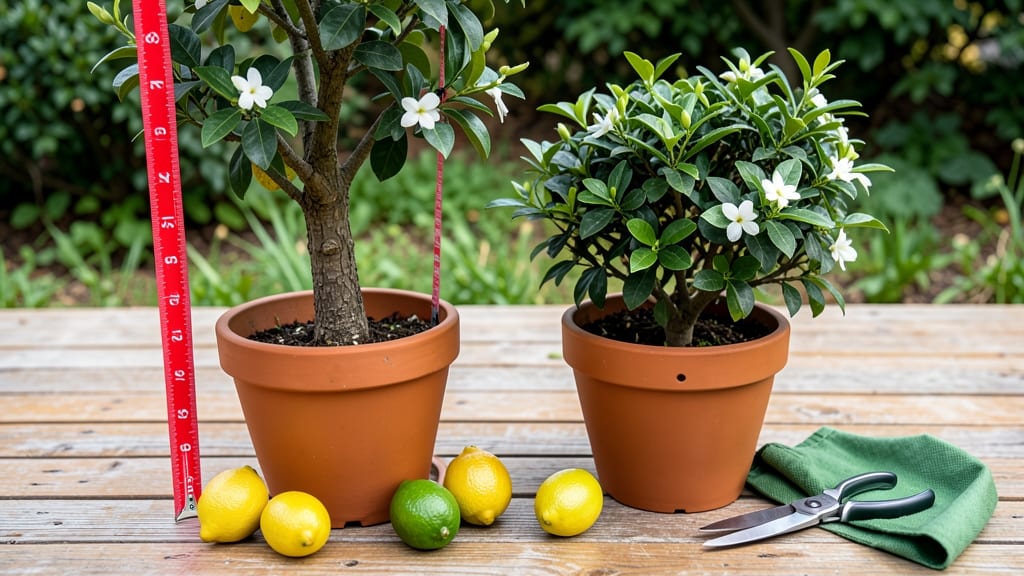
Meyer lemon trees vs. bushes—same big flavor, totally different real estate. 🌿 I spent years growing both, and the bush form saved my kitchen windowsill from becoming a jungle while still delivering juicy, fragrant lemons.
The tree version needs space to stretch its branches, while the bush stays compact enough for containers or small yards. The bush form thrives in 5-gallon pots or smaller, making it perfect for patios or sunny windows.
You’ll prune it more aggressively to maintain that dense shape, but the payoff is year-round harvests even in apartments. Trees, on the other hand, need 6+ feet of clearance and heavier pruning to control size—ideal for ground planting where they can spread.
Both love 6+ hours of sunlight daily, but bushes handle partial shade better. Yields? Trees produce more lemons over time, but bushes give earlier, smaller harvests that are easier to pick. The bush’s real advantage? Less mess—no sprawling canopies or fruit-dropping branches.
Indoor growers, take note: bushes win for small spaces, but trees shine in greenhouses or larger homes. Either way, you’ll end up with lemons so sweet they’ll make your neighbors jealous.
The first product explained
Welcome to the world of Meyer Lemon Trees—where compact growth meets explosive citrus flavor! 🌱🍋 If you're dreaming of a sunlit kitchen adorned with fragrant, fruit-bearing greenery but lack the space for a sprawling tree, the Meyer Lemon Tree (Citrus × meyeri) is your perfect match.
This hybrid citrus wonder is a cross between a true lemon and a mandarin orange, offering sweet-tart fruits that are perfect for everything from zesty desserts to refreshing drinks. Let’s dive into the details of this space-saving superstar!
🌿 Key Specs & Features
This Meyer Lemon Tree is designed for indoor or outdoor container gardening, making it ideal for balconies, patios, or sunny windowsills. Here’s what sets it apart:
- Growth Type: Compact tree (typically 3–6 feet tall and wide) or bushy shrub (2–4 feet tall and wide).
- Fruit Size: Small to medium-sized lemons (1.5–3 inches in diameter), with a thicker skin than traditional lemons, making them easier to peel.
- Flavor Profile: A sweet-tart balance—less acidic than classic lemons, with hints of orange. Perfect for baking, cocktails, or fresh eating!
- Hardiness: Thrives in USDA Zones 9–11 outdoors. Can be grown indoors year-round in cooler climates with proper light.
- Pollination: Self-pollinating, so you don’t need a second tree for fruit production!
- Harvest Time: Typically 6–12 months after planting, with continuous fruiting if cared for properly.
🎯 Who Is This For?
This Meyer Lemon Tree is a fantastic choice for:
- 🏡 Urban gardeners with limited outdoor space.
- 🌿 Indoor plant lovers who want fresh produce at home.
- 🍹 Home bakers and mixologists craving high-quality, flavorful lemons.
- 🌱 Beginner gardeners looking for a low-maintenance, rewarding plant.
- 🌞 Patio or balcony enthusiasts who want a pop of greenery and citrus scent.
💰 Price Point & Value
The Meyer Lemon Tree typically ranges from $25 to $60, depending on the size and whether it’s a bare-root plant, potted tree, or grafted variety. While the upfront cost might seem modest, consider the long-term value:
- 🍋 Fresh, organic lemons all year round—no more store-bought bottles!
- 🌿 Decorative and fragrant addition to your home or garden.
- 💡 Educational opportunity for kids or beginners to learn about citrus care.
- 🌱 Potential for propagation—you can grow new plants from cuttings!
With its versatile growth habits, delicious fruit, and ease of care, the Meyer Lemon Tree is a game-changer for anyone who loves citrus but wants a compact, high-yield option. Ready to bring a slice of sunshine into your space? Let’s explore how to care for it next!
The second product explained
If you’re dreaming of a burst of citrusy sunshine without sacrificing space, the Meyer Lemon Bush (like Citrus × meyeri 'Improved Meyer') might be your perfect match! 🌿✨ Unlike its tree counterpart, this compact, bushy variety is designed for smaller gardens, containers, or even sunny patios—making it a low-maintenance superstar for urban growers and beginners.
🌱 Key Specs & Features
- Growth Habit: Bushy, multi-stemmed (3–5 feet tall and wide), ideal for containers or in-ground planting.
- Fruit: Sweet, fragrant Meyer lemons (slightly larger than standard Meyer varieties) with thicker skins for easier peeling.
- Cold Hardiness: More resilient than standard Meyer trees—tolerates brief dips to 20°F (-7°C) with protection.
- Pollination: Self-pollinating (no need for a second plant!), but bees help boost yield.
- Yield: 10–20 lemons per season (with proper care), ready to harvest in 6–9 months.
🎯 Who’s It For?
This bush is a dream for:
- 🏡 Small-space gardeners (balconies, courtyards, or tiny yards).
- 🌿 Container enthusiasts—thrives in 15–25 gallon pots with proper drainage.
- 🍋 Low-maintenance citrus lovers who want less pruning but still big flavor.
- 👨👩👧👦 Families—safe for kids (non-toxic leaves/fruit) and fun to grow together!
💰 Price Point & Value
Pricing varies by retailer, but you’ll typically find Meyer Lemon Bushes in the $30–$60 range (potted, 1–2 years old). Pro tip: 💡 Buy from reputable nurseries (like Fast-Growing-Trees.com or local citrus specialists) to ensure disease-free, grafted plants. Invest in a high-quality pot (ceramic or fabric) to prevent root rot—your bush will thank you with years of lemons!
🌟 Why Choose This Over a Tree?
| Meyer Lemon Bush | Meyer Lemon Tree |
|---|---|
| ✅ Space-saving (fits patios, balconies) | ❌ Needs 6+ feet of space |
| ✅ Less pruning (natural bush shape) | ❌ Requires regular structural pruning |
| ✅ Faster fruiting in containers | ❌ Slower to bear fruit in-ground |
| ✅ Easier to move (portable!) | ❌ Permanent planting required |
Ready to squeeze big flavor into small spaces? This bush is your ticket to year-round lemon adventures—without the tree-sized commitment! 🍋🌱
Head-to-head comparison
Ready to dive into the juicy details? Let’s break down the Meyer lemon tree vs. Meyer lemon bush in a side-by-side comparison so you can pick the perfect fit for your space, style, and citrus cravings!
Whether you’re dreaming of a lush patio centerpiece or a low-maintenance windowsill buddy, this breakdown will help you decide which lemony powerhouse suits your life best. 🌿🍋
🌱 Growth Habit & Size
If space is your biggest concern, this is where the two stars of the show really shine—or don’t, depending on your preference!
| Feature | Meyer Lemon Tree | Meyer Lemon Bush |
|---|---|---|
| Height | 6–10 feet (or taller with training!) | 2–4 feet (compact and manageable) |
| Spread | 4–6 feet (wide and sprawling) | 2–3 feet (neat and contained) |
| Growth Form | Single trunk, upright, tree-like structure | Multi-stemmed, bushy, and rounded |
| Best For | Large gardens, patios, or containers with room to grow | Small spaces, balconies, or indoor growing |
Winner for small spaces? The Meyer lemon bush takes the crown here—it’s the perfect pint-sized powerhouse for apartments, tiny yards, or even sunny windowsills. But if you’ve got the room, the tree version adds a dramatic, tropical vibe to your outdoor oasis. 🏡✨
🍋 Fruit Production
Both varieties are packed with flavor, but their fruit habits differ slightly. Here’s what to expect from each:
- Meyer Lemon Tree:
- Produces larger lemons (2–3 inches in diameter)
- Higher yield over time, especially if pruned and cared for properly
- Fruit ripens slightly later in the season (late fall to winter)
- Flavor profile: Sweet-tart, almost honey-like with a thick skin (easier to peel!)
- Meyer Lemon Bush:
- Yields smaller but abundant lemons (1–2 inches in diameter)
- Fruits more consistently year-round in warm climates
- Ripens faster, often producing lemons in early fall
- Flavor profile: Similar sweetness but slightly more tangy due to compact growth
Pro tip: 💡 Both types are self-pollinating, so you don’t need a second plant for fruit! However, the tree version tends to produce more fruit per season if given ideal conditions.
🌡️ Climate & Hardiness
Meyer lemons are tropical at heart, but how do they handle your local weather? Here’s the scoop:
| Factor | Meyer Lemon Tree | Meyer Lemon Bush |
|---|---|---|
| Cold Tolerance | Survives down to 20–25°F with protection (mulch, frost cloth) | More sensitive; may need to be brought indoors below 30°F |
| Heat Tolerance | Thrives in full sun (6+ hours daily) | Also loves sun but may leaf out faster in extreme heat |
| Indoor Growing | Possible but challenging (needs bright light, humidity) | Ideal for indoors! Compact size and slower growth make it a great houseplant |
| USDA Zones | Zones 9–11 (outdoors); can be overwintered indoors in colder zones | Zones 9–11 (outdoors); best as a container plant in cooler climates |
Winner for cold climates? The tree can handle a bit more chill, but the bush is the clear winner for indoor growing or areas with harsh winters. 🏠🌡️
💰 Cost & Availability
Your wallet will thank you for knowing the price difference upfront! Here’s what to expect:
- Meyer Lemon Tree:
- Price range: $30–$80 (bare-root or potted)
- More widely available at nurseries and online retailers
- May require larger pots or ground planting initially
- Meyer Lemon Bush:
- Price range: $25–$60 (often sold as "dwarf" or "bush" varieties)
- Found at specialty nurseries or online citrus shops (may be harder to locate)
- Perfect for small pots or hanging baskets
Budget pick? The bush is usually the more affordable option, especially if you’re starting with a smaller pot. However, both are worth every penny for the fresh, homegrown lemons! 💸🍋
✂️ Pruning & Maintenance
Both plants need a little TLC to stay happy and productive, but their care routines differ. Here’s how they stack up:
| Task | Meyer Lemon Tree | Meyer Lemon Bush | |||||||||
|---|---|---|---|---|---|---|---|---|---|---|---|
| Pruning Frequency | Prune 2–3 times per year (spring, summer, late winter) | Prune 1–2 times per year (light shaping in spring) | |||||||||
| Shape Maintenance | Requires structured pruning to maintain tree form | Minimal pruning needed; just trim leggy stems to encourage bushiness | |||||||||
| Fertilizing Needs | Needs regular feeding (every 4–6 weeks in growing season) | Lighter feeding schedule (every 6–8 weeks) | |||||||||
| Pest Susceptibility | More prone to aphids
Which one should you choose?So, you’ve weighed the pros and cons, compared the growth habits, and even peeked at the flavor profiles—now it’s time to decide: Meyer lemon tree or bush? The answer depends on your space, goals, and how much hands-on care you’re willing to invest. Here’s your tailored verdict to help you pick the perfect citrus companion! 🌿✨ 🏡 For Small Spaces or Containers: Meyer Lemon Bush Wins!If you’re working with limited room—whether it’s a sunny balcony, patio, or even a bright kitchen windowsill—Meyer lemon bushes are the clear champions. Their compact, bushy growth (especially when pruned regularly) makes them ideal for container gardening. Plus, their smaller size means they’re easier to move indoors during winter if you live in a colder climate. 🌱💡 Pro tip: Choose dwarf varieties like ‘Improved Meyer’ for even more manageable growth! 🌳 For Year-Round Harvests or Large Gardens: Meyer Lemon Tree Takes the LeadIf you’ve got space to spare and dream of a full-sized citrus tree with abundant fruit, go for the tree. Meyer lemon trees thrive outdoors in USDA zones 9-11 and can produce hundreds of lemons annually with proper care. They’re also more resilient to pests and diseases, making them a low-maintenance long-term investment. 🍋💪 Perfect for: Backyard gardens, orchards, or anyone who loves the idea of a “real” tree in their landscape. 🎯 For First-Time Growers or Low-Maintenance Lovers: Start with the BushNew to citrus growing? The Meyer lemon bush is your best friend. It’s faster to establish, easier to prune, and forgiving of minor mistakes. Trees require more upkeep—think staking, deeper watering, and occasional structural pruning—so if you’re short on time or patience, the bush is the way to go. 🌟 Bonus: You’ll still get sweet, fragrant lemons in as little as 1-2 years! 🍽️ For Maximum Flavor and Versatility: It’s a Tie!Here’s the kicker: both Meyer lemon trees and bushes produce the same incredible fruit—sweet, aromatic, and perfect for everything from lemonade to desserts. If flavor is your top priority, you can’t go wrong with either. However, trees may yield slightly more over time, while bushes offer earlier and more frequent harvests in smaller batches. 🍋📊 Need a quick decision? Pick the bush for convenience, the tree for volume! 🔥 Final Recommendation: Match Your Lifestyle to Your LemonStill unsure? Here’s a quick cheat sheet:
No matter which you choose, you’re in for a treat—Meyer lemons are a game-changer for flavor, fragrance, and beauty. Happy growing! 🌟 |