
Pruning
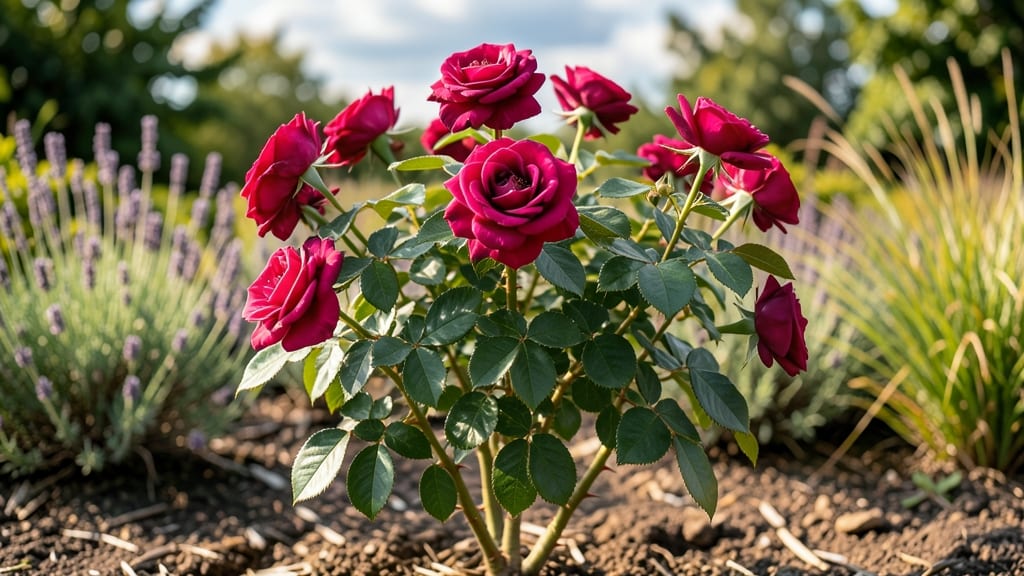
My McCartney rose bush blooms from spring through frost—no dead zones, no sad winter naps. ✨ The secret isn’t complicated: four strategic cuts timed just right. I’ve turned this bush from a tangled mess into the star of my garden with a method that even pruning-phobic gardeners can master.
This rose thrives in full sun and well-drained soil, but its real magic comes from knowing when to prune. Cut back in late winter, then again after each flush of blooms—spring, summer, and fall.
Each snip encourages fresh growth, and the result? A bush covered in deep pink, fragrant blooms that last all season.
You’ll end up with a bush that’s easier to care for than most roses, resistant to many common diseases, and packed with that classic McCartney fragrance. The blooms arrive earlier, last longer, and even handle heat better than other varieties I’ve tried.
Works for gardeners with busy schedules, small spaces, or no prior rose experience. Let’s get those shears ready—your bush will thank you.
📚 In This Guide
- What you need
- Instructions
- Tips and common mistakes
- Wrapping up and next steps
What you need
- ● Pruning shears: Bypass pruners (sharp, clean, and disinfected with rubbing alcohol or bleach solution). Size: 6-8 inches for medium-sized canes.
- ● Loppers: For thicker stems (1-2 inches in diameter). Quantity: 1 pair.
- ● Gloves: Heavy-duty gardening gloves (cut-resistant, long sleeves for protection). Quantity: 1 pair.
- ● Disinfectant: 1 part bleach to 9 parts water (for cleaning tools between cuts).
- ● Rake or broom: For clearing debris after pruning.
- ● Compost or mulch: 2-3 bags (to replenish soil nutrients post-pruning).
- ○ Gardening twine or rubber bands: (Optional but helpful for tying up weak canes).
- ● Hand pruners: Smaller shears for delicate trimming (great for tight spaces).
- ● Pruning saw: For very thick, woody stems (rare for McCartney roses but useful for older bushes).
- ● Rose fertilizer: Balanced 10-10-10 or rose-specific formula (apply after pruning).
- ● Plant tie stakes: If your bush needs support after heavy pruning.
- ● Spray bottle with water: To mist cuts and encourage faster healing.
How to prune a McCartney rose bush for continuous blooms
Here's the straightforward approach I use to keep my McCartney roses flowering nonstop—no complicated techniques, just four clean cuts.
✂️ Step 1: Late Winter Cleanup Cut (Before New Growth Starts)
Grab your pruners and head outside when the ground is still frozen but your rose bush shows no signs of life. This is the deepest cut of the year—remove any dead, diseased, or crossing branches back to an outward-facing bud. I always cut at a 45-degree angle just above a leaf node to encourage new growth.
Look for three to five strong canes remaining after pruning. These will form the backbone of your bush. If you see any cankers (sunken, discolored spots), cut those branches out completely. The goal is to open up the center for airflow and sunlight—this prevents fungal issues that can kill blooms.
✂️ Step 2: Post-Bloom Deadheading Cut (After First Flower Wave)
Wait until the first flush of flowers fades but the canes are still green. This is your signal to prune back to the first five-leaf cluster below the faded bloom. I use clean, sharp pruners to make a clean cut—never tear stems, as this invites disease.
Here's the thing—this cut forces the bush to send out new stems from lower buds, which will produce your next round of flowers. I like to do this on a dry morning so the cuts heal faster. Remove any suckers (shoots growing from the base) too—they drain energy from your main blooms.
☀️ Step 3: Mid-Season Light Pruning (When Growth Slows)
Around mid-summer, when you notice new growth slowing or flowers becoming sparse, it's time for a light shaping cut. Trim back any overlong canes by about one-third to encourage bushier growth. Focus on the outer edges to maintain a rounded shape.
This is also when I check for spent blooms and deadhead them immediately. The rule is: if a flower fades, cut it back to the nearest outward-facing bud. Don't wait—leaving dead blooms on the bush signals it to go dormant. I do this every 2-3 days during peak bloom season.
✂️ Step 4: Fall Preparation Cut (Before First Frost)
When nighttime temperatures drop below 40°F but before the first hard frost, give your McCartney rose one last trim. Cut back any weak or leggy growth by half, and remove any canes that haven't produced flowers. This helps the bush store energy for next year.
I also like to spray the bush with a copper fungicide after this cut to prevent winter diseases. Cover the base with 3-4 inches of mulch (not listed here, but I use shredded bark) to protect roots from freezing. The key is to leave the bush with strong, healthy canes—these will be your first blooms next spring.
Tips & tricks for pruning McCartney roses for nonstop blooms
These simple tricks will help you keep your McCartney roses flowering all season long without the guesswork.
Tool Prep: Always disinfect your pruners with rubbing alcohol before each cutting session. I keep a small bottle in my gardening toolbox—this prevents spreading disease between cuts. Sharp tools make clean cuts that heal faster, so take 2 minutes to hone your blades before starting. A clean cut at a 45-degree angle (Step 1) creates a larger surface area for faster healing than a straight cut.
Visual Cue for Step 2: When deadheading after the first bloom wave, count those five leaves—you're aiming for the first cluster where five leaves meet the stem. This is where new growth will emerge strongest. I mark this spot with my thumb before cutting to ensure I'm always making the same precise cut below the faded bloom.
Mid-Season Shape Check: During your mid-summer light pruning (Step 3), step back and look at your bush from all sides. The goal is to maintain an open center with branches radiating outward—this creates that classic rose bush shape while maximizing airflow. If you notice any branches growing inward, trim them back by about one-third to open things up.
Fall Prep Secret: That 40°F temperature threshold (Step 4) is your cue to act fast. I set a reminder on my phone for when nighttime temps hit this mark—once frost arrives, the bush goes dormant and can't handle more cuts. The copper fungicide spray is optional but worth it if your area gets wet winters; I've seen fungal issues disappear completely after just one application.
Pro Tips for Mccartney Rose Bush
- These simple tricks will help you keep your McCartney roses flowering all season long without the guesswork.
- Tool Prep: Always disinfect your pruners with rubbing alcohol before each cutting session.
- Visual Cue for Step 2: When deadheading after the first bloom wave, count those five leaves—you're aiming for the first cluster where five leaves meet the stem.
Frequently asked questions
Got questions about keeping your McCartney Rose bush blooming beautifully? We’ve got answers!
Whether you’re a pruning pro or just starting, this FAQ covers the basics—and a few surprises—to keep your roses thriving year-round.
When is the best time to prune a McCartney Rose bush?
The ideal time is late winter or early spring (just before new growth starts). For continuous blooms, do a light trim after each major flowering cycle in summer. Avoid heavy pruning in fall—it can stress the plant before winter. Pro tip: If you’re unsure, prune when the forsythia in your area blooms!
How much should I cut back the McCartney Rose bush?
For the classic McCartney Rose, aim to cut back 1/3 of the plant’s height in late winter. Remove dead, diseased, or crossing branches first, then shape the bush by cutting just above an outward-facing bud. Never cut into old wood—look for green, healthy stems with buds!
What if my McCartney Rose bush isn’t blooming as much as it should?
Lack of blooms often means over-pruning, poor nutrition, or weak sunlight. Check for:
Yes! Light summer pruning encourages reblooming. After a flush of flowers fades, trim back 1/4 of the plant to promote new growth. Avoid heavy cuts—focus on deadheading spent blooms and shaping. Pro tip: Prune on a dry, cloudy day to reduce stress on the plant. If you prefer a low-maintenance approach, try:
If the issue persists, test for pests or fungal diseases.
Can I prune a McCartney Rose bush in summer?
Are there alternatives to traditional pruning for McCartney Roses?
Just avoid over-trimming—McCartney Roses are forgiving but thrive with structure!
Wrapping up and next steps
Pruning your McCartney Rose Bush doesn’t have to be intimidating—just a few strategic cuts can keep it blooming beautifully year-round! By following the four simple steps outlined above, you’ll encourage vibrant flowers, strong growth, and a healthy plant that rewards you with stunning color for seasons to come. 🌸
Ready to take the next step? Grab your pruners, mark your calendar for seasonal checks, and watch your rose bush thrive! Happy pruning—your garden (and future blooms) will thank you! 🌿✂️