
Pruning
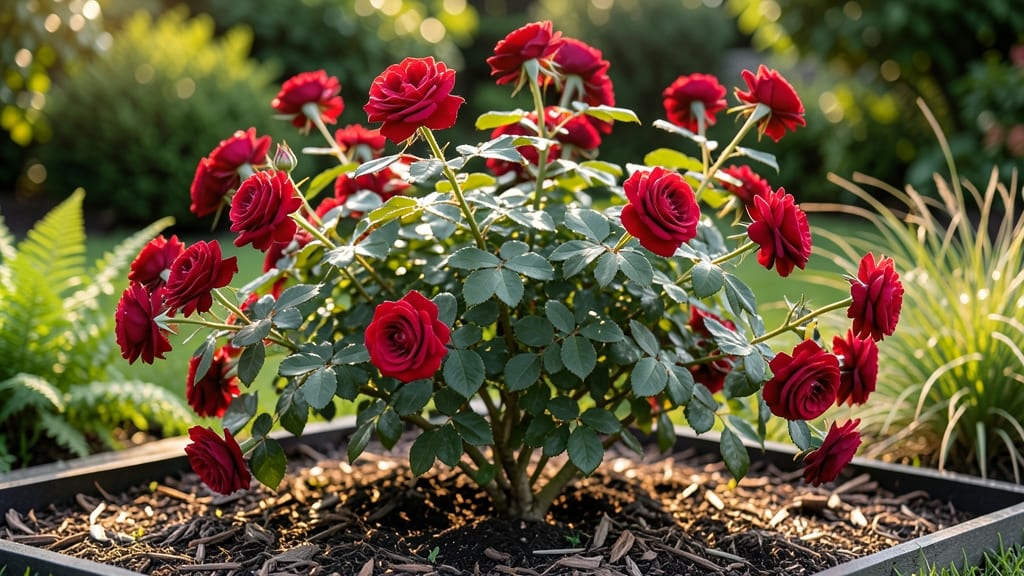
The Kardinal rose bush turns heads with its bold red blooms—but without proper pruning, those flowers disappear by midsummer. ✂️ I’ve revived struggling bushes with just three key cuts each season, and the difference is night-and-day: thick canes, nonstop blooms, and plants that outlast the heat.
This isn’t about aggressive trimming—it’s about shaping the bush to focus energy where it matters. Start by removing dead wood in early spring, then thin out crowded branches to improve airflow (yes, that’s why your roses keep getting black spot). The secret?
Prune after blooms fade in summer to encourage another flush of flowers before frost. By winter, your bush will look like a well-trained athlete, not a tangled mess. You’ll harvest longer bloom seasons, fewer pests, and roses that stand out in any garden.
And the best part? It takes less than 30 minutes once you know the rhythm. Works for both new gardeners and veterans—just follow the seasonal cues. Let’s get those shears sharp and those blooms back in action!
📚 In This Guide
- What you need
- Instructions
- Tips and common mistakes
- Wrapping up and next steps
What you need
- ● Pruning shears: Bypass pruners (sharp, clean, and sterilized with rubbing alcohol or bleach to prevent disease). Pro tip: 💡 Invest in a high-quality pair (e.g., Felco or Corona) for precision cuts.
- ● Loppers: For thicker branches (½"–2" diameter). Look for ratcheting or bypass-style loppers for leverage.
- ● Hand pruners: For delicate trimming (smaller than ¼" diameter). Anvil-style is budget-friendly; bypass is gentler on stems.
- ● Disinfectant: 1-part bleach to 9 parts water (or 70% isopropyl alcohol) to sterilize tools between cuts.
- ● Garden gloves: Heavy-duty, cut-resistant (e.g., Mechanix Wear) to protect from thorns and debris.
- ● Rag or paper towels: For wiping tools and cleaning sap off blades.
- ○ Garden twine or zip ties: (Optional) To secure temporary supports for heavy blooms or weak stems.
- ● Weather check: Prune on a dry, overcast day or early morning to reduce stress on the plant and minimize disease risk.
- ● Safety gear: Safety glasses (to shield from flying debris) and long sleeves/pants (for thorn protection).
- ● Cleanup supplies: Heavy-duty trash bags (for debris)
- ● Garden fork or rake (to clear fallen leaves/branches)
- ● Fertilizer (post-pruning): Balanced rose-specific fertilizer (e.g., 10-10-10 or 5-10-5) or compost to replenish nutrients.
- ● Mulch: Organic mulch (e.g., shredded bark or compost) to retain moisture and protect roots.
- ● Pruning sealant: (Controversial!) Some gardeners use it on large cuts (>½"), but most experts recommend skipping it—Kardinal roses heal well on their own.
- ● Plant food spray: Post-pruning foliar feed (e.g., seaweed extract) to boost recovery.
- ● Camera or sketchbook: Document your cuts for reference during future pruning sessions!
- ● Knee pads: For comfort during long pruning sessions.
Step-by-Step guide to pruning your Kardinal rose bush
Here’s how I keep my Kardinal roses blooming nonstop—no guesswork, just strategic cuts.
✂️ Step 1: Prune in Late Winter for Spring Growth
When you see bare branches and no leaves (usually late February to early March), grab your pruners and get to work. Cut back 1/3 of the oldest canes to the ground—they’re done producing anyway. For the remaining canes, trim just above an outward-facing bud, about 1/4 inch above it.
This is the moment that matters: you’re shaping next year’s blooms. I like to make my cuts at a 45-degree angle to shed water away from the stem. If you see any dead or diseased wood, cut it out completely—don’t leave stubs. You’ll know you’ve done it right when your bush looks like a well-branched tree with fresh, green buds peeking out.
🌿 Step 2: Light Pruning After First Blooms
Once your Kardinal roses start showing first flush of blooms (usually May or June), it’s time for a quick trim. Deadhead spent flowers by cutting just above the first set of five leaves below the bloom. This encourages the bush to send energy into new growth instead of seed production.
I know it seems weird to cut off flowers, but trust me—this is how you get continuous blooms all season. If you skip this, your bush will put all its energy into hips instead of more flowers. Watch for new buds forming along the stems; those are your signal to keep pruning lightly every 2-3 weeks.
☀️ Step 3: Summer Pruning for Airflow and Shape
When temperatures hit 75°F or higher, focus on improving airflow. Thin out crowded canes by removing 1/4 to 1/3 of the weakest stems at the base. This prevents fungal diseases like black spot from taking hold in humid weather. Cut back any leggy growth that’s stretching toward the sun—these stems won’t produce strong blooms.
Here’s the thing—Kardinal roses bloom on new wood, so you’re not sacrificing flowers by pruning now. In fact, you’re setting up a bush that’ll look fuller and healthier. After pruning, give your rose a deep watering to help it recover. You’ll see fresh, vibrant growth within 2-3 weeks.
⏰ Step 4: Final Pruning in Early Fall
About 6 weeks before your first frost (usually mid-October), do one last light pruning. Remove any dead, diseased, or crossing branches. Cut back any overly long canes by 1/3 of their length to encourage compact growth next season. This is also the time to clean up around the base—remove all fallen leaves and debris to prevent winter pests.
Don’t skip this final trim. I learned the hard way that skipping fall pruning leads to a tangled mess of canes that don’t bloom as well the next year. After pruning, apply a 2-3 inch layer of mulch around the base (but not touching the stem) to protect roots from freezing temperatures.
Tips & tricks for perfect Kardinal rose bush pruning
These simple tricks will help you keep your Kardinal roses blooming beautifully all season long.
Timing is Everything: The late February to early March window for Step 1 is critical—this is when your rose bush is still dormant and won't bleed sap excessively. I've learned the hard way that pruning too early can stimulate growth before the last frost, while waiting too long risks missing the optimal growth period. Check your local frost dates to pinpoint the perfect time for your climate zone.
Bud Selection Matters: When making cuts in Step 1, look for outward-facing buds on the remaining canes. These buds will grow away from the center of the bush, creating a more open structure that improves airflow and sunlight penetration. I've found that making cuts just 1/4 inch above the bud prevents water from pooling on the stem, which reduces disease risk. This small detail makes a big difference in your rose's overall health.
Deadheading Technique: In Step 2, when deadheading those first blooms, make sure to cut just above the first set of five leaves below the bloom. This is where new growth will emerge, and cutting here encourages the bush to produce more flowers. I've noticed that some people cut too close to the bloom or leave too much stem, which can lead to weaker new growth. The key is clean cuts that leave enough leaf surface for photosynthesis.
Summer Airflow Strategy: When temperatures hit 75°F or higher in Step 3, focus on removing 1/4 to 1/3 of the weakest stems at the base. This isn't just about aesthetics—it's about creating space for air to circulate. I've seen roses with crowded canes develop black spot fungus within weeks during humid summers. After pruning, give your rose a deep watering to help it recover, and you'll see fresh growth within 2-3 weeks. This is your bush's way of thanking you for the extra care.
Pro Tips for Kardinal Rose Bush
- These simple tricks will help you keep your Kardinal roses blooming beautifully all season long.
- Timing is Everything: The late February to early March window for Step 1 is critical—this is when your rose bush is s...
- Bud Selection Matters: When making cuts in Step 1, look for outward-facing buds on the remaining canes. These buds wi...
Frequently asked questions
Got questions about keeping your Kardinal rose bush thriving with strategic pruning? You’re not alone!
Here are the most common queries—plus expert answers to keep those vibrant blooms coming year-round.
When is the best time to prune a Kardinal rose bush for maximum blooms?
The ideal window is late winter or early spring (before new growth starts), but you can also do a light summer trim after the first flush of flowers to encourage more blooms. Avoid heavy pruning in fall—it stresses the plant before winter. Pro tip: If you missed winter pruning, don’t panic—just focus on shaping and deadheading in spring!
How do I know if I’m pruning my Kardinal rose bush too hard or too lightly?
Too much? Look for bare stems or stunted growth—this signals over-pruning. Too little? You’ll see crowded canes or fewer flowers. Aim to remove 1/3 of the plant’s oldest canes in winter and dead/diseased wood anytime. A healthy bush should have 3-5 strong, outward-facing canes per stem.
Can I prune a Kardinal rose bush in summer, and if so, how?
Yes! Summer pruning (after blooms fade) is key for repeat flowering. Simply deadhead spent blooms and trim back to the first 5-leaflet leaf below the bloom. Avoid heavy cuts—focus on shaping and removing suckers (shoots from the base). Water well after pruning to reduce stress.
What should I do if my Kardinal rose bush isn’t blooming after pruning?
Check these fixes:
- Light exposure: Ensure it gets 6+ hours of sun daily—shady spots = fewer blooms.
- Fertilizer: Feed with rose-specific fertilizer in spring and mid-summer for nutrients.
- Watering: Deep water 1-2x/week (drought stress = no blooms!).
- Pruning timing: If you pruned too late (after buds set), delay next year’s winter cut.
Are there alternatives to pruning if I’m not confident doing it myself?
Consider:
- Hire a pro: Local gardeners or rose societies often offer pruning services.
- Topiary training: Shape the bush into a hedge or standard for low-maintenance growth.
- Container growing: Plant in a large pot—easier to prune and control pests.
- Grafted varieties: If suckers (wild shoots) take over, remove them promptly to preserve the Kardinal’s hybrid vigor.
Wrapping up and next steps
Pruning your Kardinal rose bush isn’t just about keeping it tidy—it’s the secret to stunning, year-round blooms! 🌹 By mastering the art of strategic cuts, you’ll encourage healthier growth, prevent disease, and enjoy vibrant flowers from spring to frost.
Whether you’re a seasoned gardener or just starting, these techniques make the process simple and rewarding.
Ready to transform your rose bush into a blooming masterpiece? Grab your pruners, review your notes, and get out there—your Kardinal rose is waiting for its next big glow-up! Start planning your next pruning session today!