
Pruning
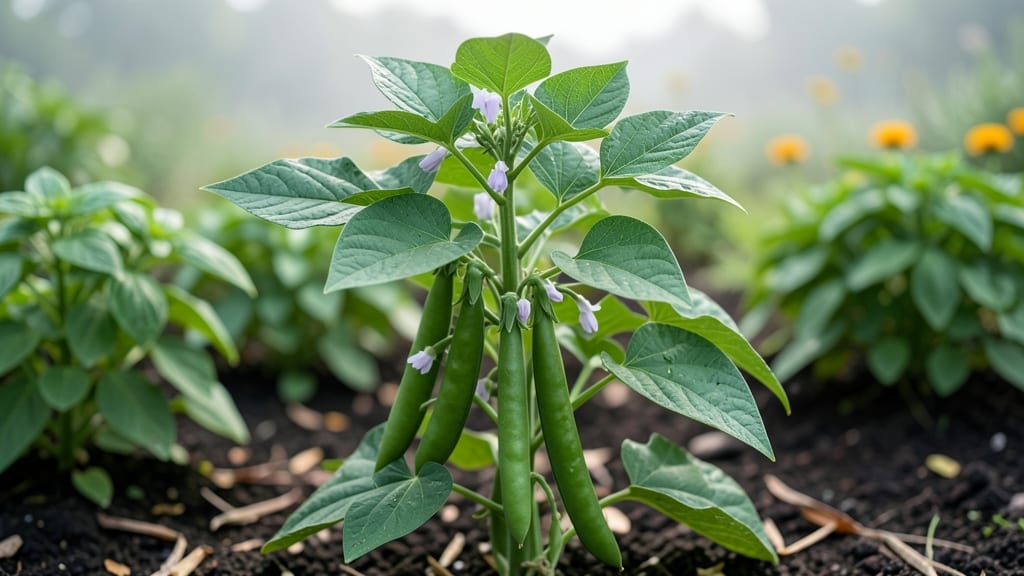
Maxibel bush beans pack a 12-inch-tall harvest into tiny spaces, proving you don’t need a backyard to grow your own food. 🌱 I’ve grown them in containers, raised beds, and even cracked sidewalk crevices—each time producing enough beans to feed my family for weeks without taking over the garden.
These beans are the busier gardener’s dream: no trellis, no sprawling vines, and a 50-day harvest window from seed. They’re also more productive than pole beans in tight spaces, with each plant yielding 5-8 pods at peak. The secret?
Their compact growth habit means better air circulation, which cuts down on diseases that plague other varieties. Start with well-draining soil mixed with compost, and plant seeds 1 inch deep, 2-3 inches apart. Keep the soil consistently moist but never soggy—drought stress makes them bitter.
A morning watering schedule works best, and mulch helps retain moisture while keeping weeds at bay. What makes Maxibel special is its resilience. They handle light shade better than most bush beans and resist common pests like Mexican bean beetles.
Harvest regularly to encourage more production, and you’ll enjoy fresh beans straight from the plant all summer long.
📚 In This Guide
- What you need
- Instructions
- Tips and common mistakes
- Wrapping up and next steps
What you need
- ● Maxibel bush bean seeds: 1–2 oz (about 50–100 seeds, depending on spacing needs). Choose high-quality, non-GMO seeds for best results.
- ● Containers or garden beds: Containers: 5–10 gallon pots (1 plant per container) with drainage holes.
- ● Garden beds: Well-draining soil in a sunny spot (6+ hours of light daily). Space plants 4–6 inches apart in rows 18–24 inches apart.
- ● Potting mix or garden soil: Lightweight, nutrient-rich mix (add compost for extra fertility).
- ● Watering can or hose: With a gentle spray nozzle for even moisture.
- ○ Stakes or cages (optional): 1–2 ft tall to support plants if needed (though Maxibel is compact!).
- ○ Gloves (optional): For comfort while handling soil or plants.
- ○ Pruning shears (optional): Small, sharp pair for trimming excess growth or harvesting.
- ○ Fertilizer (optional): Balanced, low-nitrogen fertilizer (e.g., 5-10-10) or compost tea for a boost.
- ○ Mulch (optional): Straw or shredded leaves to retain moisture and suppress weeds.
- ● Sunlight access: A south-facing window, balcony, or garden plot with full sun.
How to grow Maxibel bush beans in small spaces
These compact, high-yielding beans thrive in containers or tight garden beds—here's how to get the most from them.
🌱 Step 1: Choose the Right Location and Soil Prep
Maxibel bush beans need full sun—at least 6-8 hours daily—but they adapt well to partial shade if you're short on space. I always test the soil first because these beans hate soggy roots. Work in 2-3 inches of compost (from your materials list) to loosen the top 6 inches of soil and improve drainage.
If you're container growing, pick pots at least 12 inches deep and wide enough to hold 3-4 plants per container. The key is well-draining soil—mix in 1 part perlite (from your materials) to 3 parts potting mix to prevent root rot. Maxibel beans grow best in soil that's warm and fertile, so wait until the soil temperature reaches at least 60°F before planting.
🌱 Step 2: Plant Seeds at the Right Depth and Spacing
Sow seeds 1 inch deep and 3-4 inches apart in rows that are 18-24 inches apart—this gives the compact plants room to bush out without crowding. I like to plant 2-3 seeds per spot and thin to the strongest seedling after germination. For containers, plant 3-4 seeds per pot and thin to 2-3 plants once they're 2 inches tall.
Here's the thing—Maxibel beans hate being transplanted, so I always direct-sow them where they'll grow. If you're starting indoors, use biodegradable pots and transplant the whole pot to avoid disturbing roots. Water gently after planting to settle the soil, but don't overdo it—damp, not soggy, is the goal.
☀️ Step 3: Water and Fertilize for Consistent Production
Keep the soil evenly moist but never waterlogged—Maxibel beans need about 1 inch of water per week, either from rain or irrigation. I water at the base of the plant in the morning to prevent fungal diseases. Mulch with 2-3 inches of straw or grass clippings (from your materials) to retain moisture and keep roots cool.
Feed lightly—too much nitrogen makes them leafy but not productive. Once the plants reach 6 inches tall, side-dress with ½ cup of balanced 10-10-10 fertilizer (from your materials) per plant. I scatter it 2 inches away from the stem and water it in. Repeat every 4-6 weeks during the growing season to encourage more pods.
✂️ Step 4: Harvest and Prune for Continuous Yield
Maxibel beans produce fast and heavily—start checking for pods 50-60 days after planting. Pick when pods are 4-6 inches long and firm, but before the seeds inside get too large. I harvest every 2-3 days to keep production going. Use clean scissors (from your materials) to snip stems just above the next set of leaves—this encourages more side branches to form.
Remove any yellow or diseased leaves immediately to prevent spread. If pods start to dry out on the vine, it's a sign the plant is done for the season. I always save a few pods to dry for seeds—just let them mature fully on the plant before harvesting.
🌿 Step 5: Extend the Season With Simple Tricks
Maxibel beans are warm-season crops, but you can get two harvests in one season if you time it right. Plant a second crop 4-6 weeks after your first harvest in late summer for a fall harvest. Use row covers (from your materials) to protect young plants from late frosts—just remove them when flowers appear to allow pollinators access.
If you're in a short-season area, start seeds indoors 4-6 weeks before your last frost date and transplant outdoors after all danger of frost has passed. A grow light (from your materials) helps speed up early growth if your indoor space is dim. With the right care, you'll have pods for months in a small space!
Tips & tricks for growing compact bush beans
Took me a while to figure these out, so here goes—Maxibel beans are forgiving but love attention to detail.
Sunlight Secret: While 6-8 hours of sun is ideal, I've found that even 5 hours works if your plants are healthy and you supplement with a grow light for 1-2 hours in the afternoon. These beans are smart—they'll grow toward light, so rotate containers occasionally for even exposure. Watch for leggy growth if they're stretching too much toward windows.
Container Hack: For urban growers, use self-watering pots with the 12-inch depth requirement—this keeps roots consistently moist without overwatering. I add a handful of compost to the bottom of each pot before mixing in the potting soil. This gives roots an instant nutrient boost right where they need it most.
Transplanting Workaround: If you must start indoors, use peat pots or biodegradable containers that can stay in the ground. Plant 2-3 seeds per pot and thin to one strong seedling. The key is to keep the root ball intact—gently squeeze the pot while holding the seedling to encourage roots to grow through the sides before transplanting.
Harvest Timing: Those 50-60 days to maturity are just guidelines—your beans might be ready earlier if conditions are perfect. Check pods every 2-3 days starting at day 45. The best time to harvest is in the morning when pods are crispest. I've found that harvesting at the same time daily trains the plants to produce consistently.
Pro Tips for Maxibel Bush Beans
- Took me a while to figure these out, so here goes—Maxibel beans are forgiving but love attention to detail.
- Sunlight Secret: While 6-8 hours of sun is ideal, I've found that even 5 hours works if your plants are healthy and you supplement with a grow light for 1-2 hours in the afternoon.
- Container Hack: For urban growers, use self-watering pots with the 12-inch depth requirement—this keeps roots consistently moist without overwatering.
Frequently asked questions
Got questions about growing Maxibel bush beans in small spaces?
You’re not alone! Here are answers to the most common queries to help you grow a thriving harvest—even with limited room.
How tall do Maxibel bush beans actually get?
Maxibel bush beans are true bush varieties, typically reaching 18–24 inches tall with no need for trellising. Their compact size makes them perfect for containers, balconies, or tight garden beds. Just ensure they have 6–8 inches of soil depth and plenty of sunlight!
When is the best time to plant Maxibel bush beans?
These beans thrive in warm soil (60°F+), so wait until after your last frost date. For most regions, this means late spring to early summer. If you’re in a short-season area, opt for fast-maturing varieties (50–60 days to harvest) or try a fall planting 8–10 weeks before frost.
Can I grow Maxibel beans in containers? If so, what size pot do I need?
Maxibel beans do exceptionally well in containers. Use a pot at least 12–15 inches deep and wide with drainage holes. Add well-draining potting mix and a time-release fertilizer for best results. Place them in a sunny spot (6+ hours of light) and water consistently—keep soil moist but not soggy.
What pests should I watch for, and how do I prevent them?
Common pests include bean beetles, aphids, and spider mites. To prevent issues:
- Use row covers early in the season to deter flying pests.
- Rotate crops annually to reduce soil-borne pests.
- Handpick beetles or spray with neem oil for organic control.
- Avoid overhead watering to minimize fungal diseases like powdery mildew.
How do I know when Maxibel beans are ready to harvest?
Harvest when pods are 4–6 inches long, firm, and snap easily when bent. For younger, sweeter beans, pick them at 3–4 inches. Use scissors or pruners to avoid damaging the plant, and harvest every 2–3 days to encourage more production. Pro tip: Pick in the morning for the best flavor!
What if my Maxibel beans stop producing pods?
If your beans suddenly quit flowering or producing, check for these issues:
- Inconsistent watering (keep soil evenly moist).
- Temperature stress (beans need 70–85°F to thrive).
- Nutrient deficiency (add a balanced fertilizer or compost).
- Overcrowding (thin plants to 3–4 inches apart for better airflow).
Wrapping up and next steps
Growing Maxibel bush beans is a game-changer for small gardens and containers—proving that big harvests don’t need big space! 🌱 With their compact size, fast growth, and minimal pruning needs, these beans make gardening accessible and rewarding.
Whether you’re a beginner or a seasoned green thumb, start small, plant confidently, and enjoy the bounty.
Ready to dive in? Grab your seeds, pick a sunny spot, and get planting! Your future meals (and neighbors’ envy) are just a few weeks away. 🌟