
How To
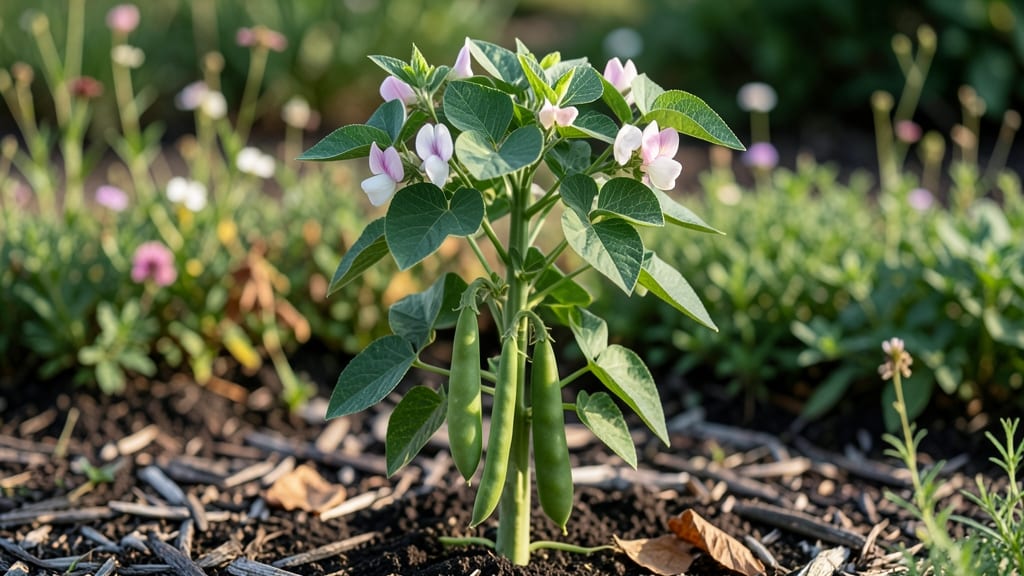
Bush beans grow between 12 and 24 inches tall, making them a compact yet productive choice for small gardens or containers.
If you're planning a compact vegetable garden but love the idea of fresh, homegrown beans, bush beans might be your perfect match—but first, you need to know exactly how tall they'll grow to plan your space wisely.
These versatile plants come in a range of heights, from dwarf varieties that stay under 18 inches to standard types reaching closer to 2 feet. The difference in height can impact how you space them, whether you need support, and even how you harvest.
Below, I’ll break down the height variations by popular varieties, when (and if) to add trellising, and how to maximize your yield in tight spaces without sacrificing growth.


Bush bean height by variety: compact vs tall growing habits
When planning your garden, knowing bush bean height by variety helps maximize space and yield. Unlike their climbing cousins, bush beans grow compact bushes that typically reach 12 to 24 inches tall, making them ideal for small gardens and containers.
But not all varieties are created equal—some stay under 18 inches, while others can stretch closer to 3 feet under ideal conditions.
Understanding these differences lets you choose varieties that fit your space perfectly. For example, dwarf bush beans like 'Blue Lake' stay short and bushy, while taller varieties like 'Kentucky Wonder' might need a little more room.
Let’s break down the most popular types and their mature heights to help you plan your garden layout.
Bush bean height varies based on genetics, sunlight, and soil quality. Most varieties fall into two categories: compact (under 2 feet) and standard (2-3 feet). Below is a quick comparison of some top varieties and their mature sizes to guide your selection.
The Blue Lake and Blue Lake Bush varieties are among the most popular for compact gardens because they stay under 2 feet tall. This makes them perfect for container gardening or tight spaces where every inch counts.
If you’re growing in 5-gallon buckets or raised beds, these varieties thrive with minimal spacing.
On the taller side, Kentucky Wonder can reach nearly 3 feet, which might seem intimidating for small gardens. However, its vertical growth habit allows you to tuck it into the back of a raised bed or pair it with shorter plants like lettuce or radishes.
Just ensure you leave 18–24 inches between plants to avoid crowding.
For urban gardeners or those with limited space, dwarf varieties like 'Blue Lake Bush' are game-changers. They produce high yields in small areas and can even grow well in hanging baskets or window boxes.
The trade-off? You might sacrifice a few extra pods compared to taller varieties, but the convenience of easy harvesting makes up for it.
If you’re unsure which variety to choose, start with Blue Lake or Contender—they’re versatile, productive, and fit most garden setups. For a bold experiment, try Kentucky Wonder in a trellis or along a fence to save space while still enjoying a tall, productive plant.
Just remember: bush beans don’t climb, so their height is purely based on their natural growth habit.
Pro tip: Always check the seed packet for specific variety heights, as some heirloom or specialty beans might deviate slightly. And if you’re growing in poor soil or low light, expect plants to stay on the shorter side—sunlight and nutrients directly impact mature height. 🌱
Do bush beans need support? When and how to provide trellising
Most bush beans don’t need support—their compact size makes them perfect for small gardens. With mature heights typically between 12 and 24 inches, they stay sturdy on their own. However, heavier varieties or poor soil conditions might warrant extra support for better yield and airflow.
If you’re growing bush beans in containers or high-density garden beds, consider lightweight cages or stakes for taller varieties like Kentucky Wonder. This prevents sprawling and makes harvesting easier, especially in windy conditions.
For standard bush beans (18–24 inches tall), I recommend 3-foot tall cages or bamboo stakes if your garden space is tight. This keeps plants upright without taking up extra room, maximizing your harvest in small areas.
Pros and Cons of Trellising Bush Beans
- Better air circulation reduces disease risk
- Easier harvesting with upright pods
- Prevents sprawling in windy conditions
- Requires additional setup and materials
- May limit root growth if overcrowded
- Not needed for dwarf varieties (12–18 inches)
If you’re growing bush beans in rows, space plants 4–6 inches apart to avoid overcrowding. This natural spacing often eliminates the need for support, while still allowing plenty of airflow. For container gardening, choose dwarf varieties like Blue Lake and plant 2–3 per 5-gallon pot.
For high-yield gardens, I’ve found that lightweight tomato cages (cut to 2 feet) work well for medium-height bush beans. They’re inexpensive, reusable, and provide just enough support without restricting growth. Always secure stakes with soft ties to avoid damaging stems.
Remember, bush beans thrive without support in most cases—only add trellising if you notice sprawling growth or heavy pod loads bending stems. Focus instead on well-draining soil and consistent watering for the best results.