
Pruning
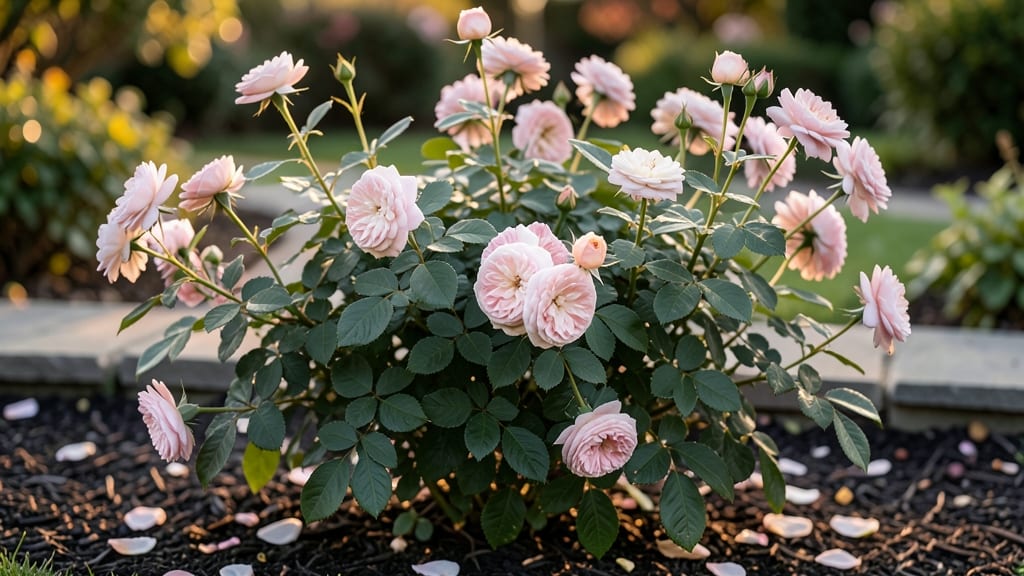
Pruning a Mary Rose bush transforms it from a tangled mess into a blooming powerhouse. ✂️ After years of struggling with leggy stems and sparse flowers, I discovered the three-cut method that keeps this variety flowering continuously from spring through fall.
The secret isn't just when you prune—it's how you shape the plant to encourage new growth where you want it most.
You'll need sharp bypass pruners, rubbing alcohol for sterilizing cuts, and a clear day to see the plant's structure. Start by removing dead or crossing branches—these compete for energy and weaken the bush.
Then focus on selective thinning to improve airflow, which prevents fungal diseases like black spot that plague so many roses. Most importantly, cut at a 45-degree angle just above an outward-facing bud to direct growth outward, not inward.
What you'll end up with is a compact, bushy plant covered in deep pink blooms from early summer until frost. The first flush of flowers arrives in 6-8 weeks after pruning, and with proper care, you'll see three to four distinct bloom cycles per season.
The fragrance alone makes the effort worthwhile—imagine stepping into your garden and being greeted by that classic rose scent.
This method works for Mary Rose bushes in USDA Zones 5-9, though winter protection may be needed in colder climates. For container-grown bushes, prune slightly lighter to avoid overcrowding.
The key is consistency—prune at the same time each year, and your bush will reward you with nearly nonstop color and fewer maintenance headaches. Ready to give it a try?
📚 In This Guide
- What you need
- Instructions
- Tips and common mistakes
- Wrapping up and next steps
What you need
- ● Pruning shears: Bypass pruners (sharp, clean, and sterilized with rubbing alcohol or bleach to prevent disease). Quantity: 1 pair.
- ● Garden gloves: Heavy-duty, cut-resistant gloves to protect your hands. Recommended: Nitrile-coated for grip and durability.
- ● Disinfectant: 1 part bleach to 9 parts water (for sterilizing tools between cuts).
- ○ Pruning saw: (Optional but helpful for thicker stems over ½ inch in diameter).
- ● Garden twine or tape: For marking branches if you’re doing a structured pruning plan.
- ● Trash bags or compost bin: For disposing of pruned branches (check local composting rules!).
- ● Hand lens or magnifying glass: To inspect buds and stems closely for pests or disease.
- ● Pruning sealant: (Like tree wound dressing) to seal larger cuts only if needed (controversial but useful for very thick branches).
- ● Notebook or app: To track pruning dates, weather, and bush progress (e.g., Gardenate or a simple journal).
- ● Knee pads or stool: For comfort if your bush is tall or sprawling.
- ● Know your Mary Rose bush’s variety and age—younger bushes need lighter pruning!
- ● Check the last frost date in your area (prune after the danger of frost has passed for spring blooms).
- ● Read up on the 3-D pruning method (Dead, Diseased, and Damaged wood first, then shape).
- ● Have a clear day planned—pruning on a cloudy day reduces stress on the plant.
Strategic pruning techniques for your Mary Rose bush
Here’s how to keep your Mary Rose bush flowering beautifully all season—no guesswork, just proven cuts.
✂️ Step 1: Prune for Structure in Late Winter
Wait until late winter or early spring, just before new growth begins. You’ll see swollen buds along the stems—these signal it’s time. Use sharp pruners to remove any dead, crossing, or weak branches first. I always cut back to a healthy outward-facing bud, about ¼ inch above it, to encourage strong new growth.
This is the time to shape your bush. Look for branches growing inward or rubbing against others—those need to go. The goal is an open center that lets light and air circulate freely. If your bush is leggy, cut back some of the oldest stems by ⅓ to rejuvenate it. You’ll know you’ve done it right when you see fresh, vibrant buds forming within weeks.
☀️ Step 2: Deadhead and Encourage Blooms Mid-Season
As flowers fade, snip them off just above the first set of healthy leaves below the bloom. This prevents seed formation and redirects the plant’s energy into producing more flowers. I like to do this every 7-10 days during peak bloom season to keep the show going.
Watch for spent blooms that turn brown or wilt—they’re begging to be removed. If you notice leggy stems with few flowers, trim them back by ½ to encourage bushier growth. The key is consistency: a little pruning often keeps your Mary Rose bush looking polished and prolific.
⏰ Step 3: Light Pruning for Fall and Winter Care
In fall, cut back any remaining dead or diseased branches. This is also the time to thin out overly crowded stems to improve airflow, which helps prevent fungal issues. I never remove more than ⅓ of the plant in a single season—gradual pruning keeps it healthy.
For winter, focus on cleaning up any debris around the base of the bush. This prevents pests and diseases from overwintering. If your climate gets harsh, you can lightly trim back any frost-damaged growth in early spring. The goal here is maintenance, not drastic cuts—just enough to keep the bush tidy and ready for the next growing season.
🌿 Step 4: Monitor and Adjust Throughout the Year
Keep an eye on your bush for signs of stress, like yellowing leaves or sparse blooms. These often signal overpruning or poor circulation. If you notice leggy growth, it’s time to trim back some of the long stems to encourage bushier, more compact growth.
I always carry a small pair of pruners with me when I’m near the garden—spending just 5 minutes a week checking for dead blooms or wayward branches makes a huge difference. The more you stay on top of it, the more your Mary Rose bush will reward you with nonstop color.
Tips & tricks for perfect Mary Rose bush trimming
These strategic insights will help you transform your Mary Rose bush into a thriving, bloom-filled centerpiece all year.
Timing Secret: Late winter pruning is non-negotiable for structural health. Look for those swollen buds—this is your plant's natural cue that it's ready. I've learned the hard way that pruning too early can stimulate growth when the plant isn't prepared, leading to frost damage. Wait until you see those buds swelling just before new growth begins, typically around late February to early March in most climates. This timing ensures you're cutting back just before the plant's natural growth cycle kicks in.
Precision Cutting: When shaping your bush in Step 1, always cut at a 45-degree angle about ¼ inch above an outward-facing bud. This angled cut prevents water from pooling on the cut surface, which could lead to rot. I use a sharp pair of pruners and always make clean cuts—never tear or rip branches. The outward-facing bud is crucial because it encourages new growth to develop away from the center, creating that open, airy structure we want.
Deadheading Discipline: The 7-10 day deadheading schedule in Step 2 is where consistency pays off. I've found that removing spent blooms just above the first set of healthy leaves redirects energy precisely where we want it—into producing more flowers rather than seeds. Pro tip: Use clean, sharp tools for each cut to prevent spreading disease. I keep a small pair of pruners in my gardening apron pocket for quick touch-ups during my weekly garden walks. This regular maintenance prevents the bush from putting energy into seed production, which would otherwise reduce flowering.
Seasonal Maintenance: Never remove more than ⅓ of the plant in any single season, as mentioned in Step 3. This gradual approach prevents shock and maintains the bush's vigor. In fall, focus on removing only dead or diseased branches—healthy growth can wait until spring. I've seen many gardeners over-prune in fall, thinking they're doing the plant a favor, only to create stress that weakens the bush for the following season. Think of fall pruning as a cleanup rather than a major structural change.
Pro Tips for Mary Rose Bush
- These strategic insights will help you transform your Mary Rose bush into a thriving, bloom-filled centerpiece all year.
- Timing Secret: Late winter pruning is non-negotiable for structural health. Look for those swollen buds—this is your ...
- Precision Cutting: When shaping your bush in Step 1, always cut at a 45-degree angle about ¼ inch above an outward-fa...
Frequently asked questions
Got questions about pruning your Mary Rose bush? You’re not alone—this stunning shrub thrives with the right care! Here are answers to the most common concerns to keep your plant happy and blooming.
When is the best time to prune a Mary Rose bush?
The ideal time is late winter or early spring, just before new growth begins. This ensures you remove dead wood while leaving buds intact for spring blooms. Avoid pruning in fall, as it can stimulate tender growth vulnerable to frost. For light shaping, you can prune after flowering, but avoid heavy cuts.
How much can I trim back my Mary Rose bush?
Never remove more than one-third of the plant’s height in a single pruning session. For mature bushes, aim to cut back old stems by half to encourage new, vigorous growth. Thin out crowded branches first to improve airflow. Over-pruning can stress the plant and reduce flowering.
What should I do if my Mary Rose bush isn’t blooming after pruning?
Check these first: light (6+ hours of sun daily), soil (well-draining, slightly acidic), and fertilizer (balanced bloom booster in early spring). If you pruned too late (after buds formed), delay next year’s pruning until winter. Deadheading spent blooms also encourages repeat flowering.
Can I propagate Mary Rose cuttings from pruned branches?
Use 4–6 inch softwood cuttings from healthy, non-flowering tips. Dip in rooting hormone, plant in moist perlite/sand mix, and keep in bright, indirect light. Roots typically form in 4–6 weeks. This is a great way to share your bush with friends—or expand your garden!
How often should I prune my Mary Rose bush?
For maintenance, prune once a year (late winter/early spring) for shaping and rejuvenation. Light trimming after flowering keeps the plant tidy. If your bush looks leggy, do a renewal prune every 2–3 years, cutting back up to half the oldest stems to stimulate new growth.
Still unsure? Snap a photo of your bush and share it with a local nursery—they often have pro tips for your specific climate!
Wrapping up and next steps
The Mary Rose bush rewards patience and care with stunning, year-round blooms—when you master the art of strategic pruning! 🌸 By following the right techniques, you’ll encourage healthier growth, vibrant flowers, and a bush that thrives season after season.
Now that you’re armed with the knowledge of when, how, and why to trim, it’s time to roll up your sleeves and give your Mary Rose the attention it deserves.
Ready to take the next step? Mark your calendar for your first pruning session—whether it’s a light tidy-up in late winter or a shaping trim after summer blooms.
Watch your bush transform, and soon, you’ll be the envy of every gardener with a flourishing, blooming Mary Rose that steals the show! 🌿✨