
Pruning
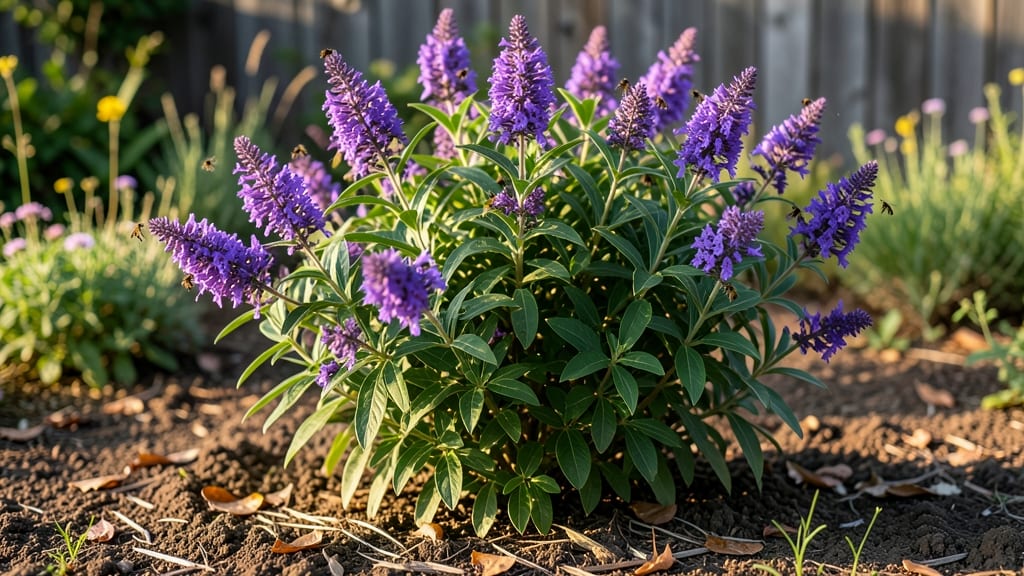
Lindley's butterfly bush (Buddleja davidii 'Lindleyana') gives you four seasons of color with almost no effort—once you master the pruning. 🌿 I've grown this variety for years, and it's the only butterfly bush that stays compact (3-4 feet tall) while still attracting swarms of pollinators.
The secret isn't complicated: prune at the right time, and you'll get longer blooming seasons and fewer floppy stems.
This bush thrives in full sun and tolerates poor soil, making it perfect for urban gardens or neglected corners. Water it deeply once a week once established—overwatering is the quickest way to kill it.
The real magic happens in late winter when you prune back one-third of the plant, right above a set of buds. This forces fresh growth that blooms earlier and more abundantly than unpruned bushes.
By summer, you'll have a bush covered in fragrant purple blooms that butterflies can't resist. The flowers last into fall, and if you leave some old stems, you might even get a light frost-kissed bloom in late winter.
The best part? It's disease-resistant and deer-proof, so you won't waste time fighting pests or fences.
Works in zones 5-9, though in colder areas, mulch the roots heavily for winter protection. For those who want more bushes, propagation from softwood cuttings in summer is foolproof—just stick them in moist soil and keep them shaded. Ready to transform a boring corner into a pollinator magnet?
📚 In This Guide
- What you need
- Instructions
- Tips and common mistakes
- Wrapping up and next steps
What you need
- ● Pruning shears or loppers: Sharp, clean tools (bypass pruners work best for small branches; loppers for thicker stems). Pro tip: Disinfect with rubbing alcohol between cuts to prevent disease! 🔥
- ● Hand pruners: For delicate trimming of new growth (ergonomic grips recommended).
- ● Garden gloves: Heavy-duty to protect against thorns and sap.
- ○ Disposable pruning bags or bucket: To collect clippings (optional but helpful for composting or disposal).
- ○ Pruning sealant (optional): For larger cuts (e.g., ½-inch diameter or thicker) to prevent disease entry.
- ● Timing: Prune in late winter/early spring (before new growth) or after flowering (summer/fall) for Lindley’s varieties.
- ● Weather: Choose a dry, overcast day to avoid stressing the plant.
- ● Safety gear: Safety glasses if working near the ground or with large branches.
- ● Plant health check: Remove any dead, diseased, or crossing branches first.
- ● Extension pole saw: For high branches (6+ feet).
- ● Plant marker flags: To label pruned sections if training the bush.
- ● Compost bin: For recycling healthy clippings.
- ● Hose or spray bottle: To clean tools between cuts.
Step-by-Step guide to pruning Lindley's butterfly bush for year-round beauty
This is the pruning schedule I follow to keep my Lindley's butterfly bush blooming from early summer through frost—without sacrificing next year's flowers.
✂️ Step 1: Prune After First Bloom Cycle (Early to Mid-Summer)
Once the first flush of flowers fades (usually around June or July), cut back the spent blooms to just above the first set of healthy leaves. This encourages your bush to produce a second, even more vigorous round of flowers. I use sharp bypass pruners to make clean cuts—never tear or rip stems, as this invites disease.
Here's the thing—Lindley's butterfly bush blooms on new wood, so you're not removing next year's flowers. In fact, this pruning triggers more lateral branching that will support even more blossoms. Watch for new growth emerging from the cut stems within 2-3 weeks—that's your signal the plant is responding well.
✂️ Step 2: Light Structural Pruning in Late Summer (August)
About 6 weeks before your first frost, do a quick assessment of your bush's shape. Remove any crossing branches or stems growing inward to improve air circulation. Lindley's butterfly bush can get dense, and poor airflow leads to fungal issues. I aim to create an open, vase-like shape that catches sunlight throughout the day.
This isn't a heavy pruning—just strategic cuts to maintain form. You'll see where branches compete for space by looking for stems rubbing against each other. Cut these back to their point of origin using a 45-degree angle just above an outward-facing bud. This technique encourages growth in the direction you want.
✂️ Step 3: Major Renewal Pruning in Early Spring (Before New Growth)
The most important pruning happens in late winter or very early spring, just as buds begin to swell but before any new growth appears. Remove up to one-third of the oldest stems at ground level. These are the woody stems that no longer produce vigorous blooms—they're the reason your bush can get leggy over time.
I always prune on a dry day when temperatures are above 45°F. Cut back to just above a healthy bud or lateral branch. You'll be shocked at how much dead wood you remove—this is what keeps your bush youthful. New shoots will emerge from the base within 3-4 weeks, and these will produce your first flush of summer blooms.
✂️ Step 4: Cleanup Pruning After Frost (Late Winter)
Once all foliage has dropped and the plant is completely dormant, do a final cleanup. Remove any dead, diseased, or weak stems at the base. This is also the time to trim back any remaining flower stalks from the previous season. I use sterilized pruners and dispose of all clippings in the trash—not the compost—to prevent spreading any potential pathogens.
Here's what I do that most people miss: After pruning, I apply a 2-3 inch layer of mulch around the base (but not touching the stems) to protect new growth from late frosts. The mulch also helps retain moisture during dry spring periods. You'll see fresh green shoots pushing through the mulch within 2-3 weeks—that's your bush waking up for another season.
Tips & tricks for pruning Lindley's butterfly bush
These pro strategies will help you maintain your butterfly bush's health and beauty while maximizing blooms throughout the seasons.
Timing is Everything: The 2-3 week window after pruning in Step 1 is critical for observing new growth. This is your plant's way of telling you it's happy! If you don't see fresh shoots emerging within this timeframe, check your pruning cuts—you might have cut too close to buds. Remember, we're always working with new wood growth on this variety.
Tool Selection Matters: Sharp bypass pruners are non-negotiable for clean cuts that heal properly. I've ruined several pruning sessions using dull tools that crushed stems instead of making precise cuts. Sterilize your tools with rubbing alcohol between cuts during cleanup pruning to prevent spreading disease from any infected stems you encounter.
Seasonal Considerations: The 45°F minimum temperature in Step 3 isn't just arbitrary—it's when your bush's metabolism kicks into gear. Pruning too early in cold weather can shock the plant. I always check the forecast and wait for a stretch of warm days above this threshold before doing my major renewal pruning.
Mulch Application Technique: That 2-3 inch layer of mulch in Step 4 should be kept 2-3 inches away from the stem base to prevent rot. I use shredded hardwood mulch because it breaks down slowly and improves soil structure. This isn't just about frost protection—it's creating the perfect microclimate for your bush to thrive through winter.
Pro Tips for Lindley'S Butterfly Bush
- These pro strategies will help you maintain your butterfly bush's health and beauty while maximizing blooms throughout the seasons.
- Timing is Everything: The 2-3 week window after pruning in Step 1 is critical for observing new growth.
- Tool Selection Matters: Sharp bypass pruners are non-negotiable for clean cuts that heal properly.
Frequently asked questions
Got questions about keeping your Buddleja davidii (Lindley’s Butterfly Bush) thriving with minimal fuss? Here are answers to the most common ones—so you can enjoy that four-season color without the guesswork!
When is the best time to prune Lindley’s Butterfly Bush?
Prune late winter or early spring (just before new growth starts) to shape the plant and encourage dense blooms. For light trimming (deadheading or shaping), you can also prune in summer or fall—just avoid heavy cuts after mid-summer, or you might delay next year’s flowers.
How much should I cut back Lindley’s Butterfly Bush?
For hard pruning, cut back 1/3 to 1/2 of the plant’s height to the nearest bud or set of leaves. For maintenance pruning, trim just enough to remove dead wood or overcrowded branches. Pro tip: If your bush looks leggy, don’t panic—it’s still healthy! Just prune selectively to encourage bushier growth.
Why aren’t there any butterflies visiting my Lindley’s Butterfly Bush?
Butterflies love Buddleja, but a few factors might keep them away: lack of nectar (prune too late or too hard), pesticides (use organic options), or location (plant in full sun, at least 6+ hours/day). If blooms are sparse, fertilize lightly in spring to boost flower production!
Can I grow Lindley’s Butterfly Bush in a container?
Yes! Just choose a large pot (at least 15–20 gallons) with drainage holes and use well-draining soil. Prune annually to control size, and move containers indoors or to a sheltered spot in winter if temps drop below 10°F. Dwarf varieties (like ‘Lo & Behold’) are ideal for containers!
Is Lindley’s Butterfly Bush cold-hardy?
Most varieties tolerate USDA Zones 5–9, but young plants or tender varieties may need winter protection (mulch, burlap wraps, or container insulation). In Zone 4 or colder, grow it as an annual or dig up pots before frost. Pro tip: Prune lightly in early spring to check for frost damage—healthy new growth will emerge!
What if my Lindley’s Butterfly Bush gets woody and stops flowering?
Over time, Buddleja can become overly woody if not pruned. Rejuvenate it by cutting back hard (2/3 of the plant) in late winter. This stimulates fresh, flower-rich growth. If the center is hollow, thin out old wood to improve airflow and light penetration.
Wrapping up and next steps
Lindley’s Butterfly Bush is a low-maintenance superstar that rewards you with vibrant blooms and pollinator-friendly beauty—with just a little seasonal TLC. By mastering the simple pruning techniques outlined here, you’ll keep your bush thriving year-round, from spring’s fresh growth to winter’s dormant prep. 🌿
Ready to transform your garden with minimal effort? Grab your pruners, mark your calendar for the four key pruning windows, and watch your Butterfly Bush flourish like never before—your pollinators will thank you too! Start planning your first trim today!