
Shrubs
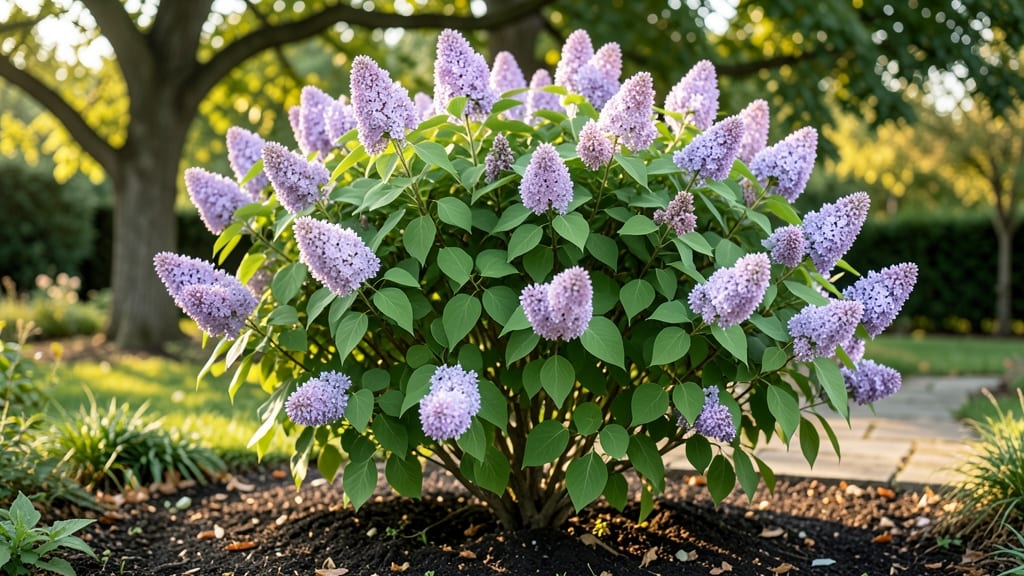
Lilac bushes tolerate partial shade but perform best with 4-6 hours of direct sunlight daily. Too much shade weakens growth and reduces blooms, while full sun ensures vibrant flowers and strong stems.
Lilacs are sun-loving shrubs, and their flowering intensity directly correlates with light exposure.
When placed in partial shade, they may produce fewer blooms because photosynthesis slows down, limiting energy for flower production. 🌿 I’ve noticed that even morning sun with afternoon shade works better than deep shade all day—just avoid spots where sunlight barely reaches the canopy.
For container-grown lilacs, rotate the pot occasionally to ensure even light exposure on all sides.
If your garden has limited sunlight, consider planting shade-tolerant varieties like Meyer lilac (Syringa meyeri), which handles partial shade better than common lilacs. Pairing them with taller trees or shrubs on the north side can also create a microclimate with dappled light.
Just remember: the more shade, the less you’ll see those signature fragrant blooms.
💡 In This Article
- How Shade Affects Lilac Bush Flowering and Growth
- Best Shade Solutions for Lilac Bushes in Low-Light Gardens
How shade affects lilac bush flowering and growth
Lilacs rely on sunlight to power their growth through photosynthesis, where chlorophyll in the leaves converts light into energy for blooming and root development. When placed in deep shade, their leaves produce less chlorophyll, weakening the plant's ability to store energy.
This energy deficit directly impacts flower buds—studies show lilacs in less than 4 hours of sunlight may produce 30-50% fewer blooms compared to those in full sun. The stems also become thinner and more brittle, making the plant more susceptible to wind damage.
The hormonal balance shifts too. Shade reduces auxin production, a growth hormone that regulates cell elongation. Without enough auxin, lilacs grow leggy and sparse, with fewer lateral branches where flowers typically form. You’ll notice the foliage turning pale green or yellowish—a clear sign of light deprivation.
Even partial shade can delay blooming by 1-2 weeks, as the plant diverts energy to leaf growth instead of flower production. The roots also suffer, as less photosynthesis means fewer carbohydrates are transported underground to support root expansion.
Texture and fragrance take a hit too. Lilacs grown in full sun develop thicker, waxier leaves that better reflect sunlight, while shaded lilacs often have softer, thinner leaves that feel almost papery to the touch.
The fragrance intensity also diminishes—sunlight triggers the production of volatile oils that carry the signature lilac scent.
In shade, these oils are less concentrated, making the blooms smell subtler. 🌸 For example, a French Common lilac in full sun might fill a yard with its intoxicating aroma, while the same variety in heavy shade could barely perfume a small corner.
Not all shade is equal. Dappled light—like that under tall trees with sparse canopies—is far better than dense shade. Lilacs can tolerate morning sun with afternoon shade because the cooler afternoon temperatures reduce water loss, allowing the plant to retain more energy.
However, placing them under evergreens that block light year-round (like dense pine trees) will stunt growth entirely. The key is finding a balance where the bush gets at least 4-6 hours of direct light daily, even if it’s interrupted by brief shade periods.
Even shade-tolerant varieties like Syringa meyeri (Meyer lilac) won’t thrive in deep shade—they simply handle it better than common lilacs. Their leaves are slightly darker green and more leathery, allowing them to capture scattered light more efficiently.
But don’t expect lush blooms: these varieties still produce 20-30% fewer flowers in low-light conditions compared to their sun-grown counterparts. The trade-off is worth it only if you’re prioritizing foliage over fragrance and floral displays.
For gardeners in shaded areas, observe your lilac’s leaves in late summer. If they’re small, sparse, and pale, it’s a clear signal to relocate the plant or prune nearby trees to improve light exposure.
Even a 1-2 foot increase in sunlight per day can make a noticeable difference in next year’s blooms. The goal is to mimic natural woodland edges, where lilacs often grow under partial canopies but still receive filtered sunlight. This approach preserves their health while maximizing their ornamental potential. 🌿