
Pruning
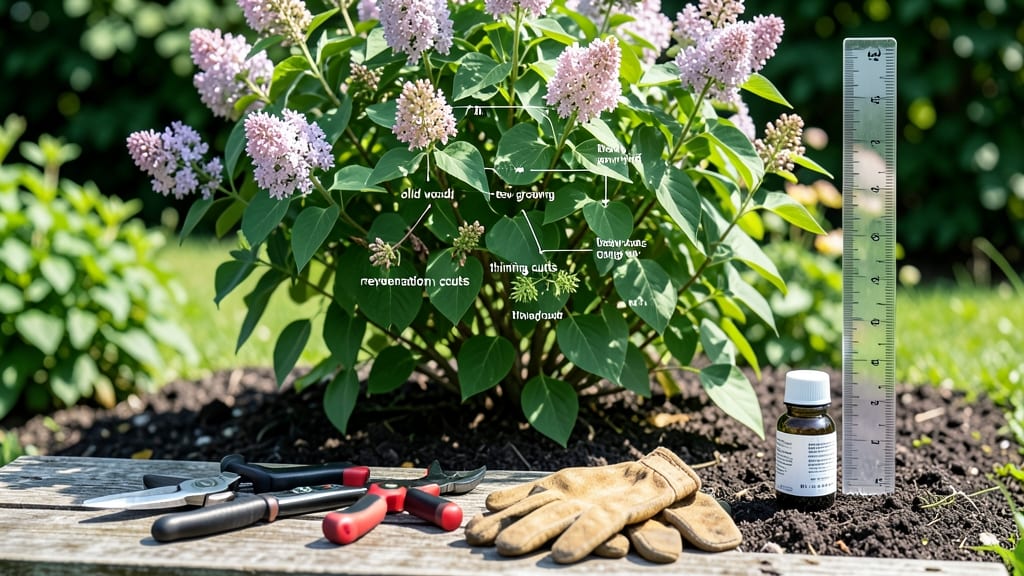
Pruning your lilac bush after blooms—using a simple lilac pruning diagram as your guide—transforms it from a tangled mess into a fragrant, flowering powerhouse. ✂️ I’ve pruned mine for years, and the right cuts—timed just after the spring blooms—mean bigger flowers and fewer bare stems next season.
This isn’t guesswork; it’s a simple, repeatable process that keeps your lilac thriving for decades.
The key is working with the bush’s natural shape: cut just above the buds (those little bumps where new growth starts) and never remove more than one-third of the plant at once.
You’ll need sharp pruners, gloves, and a clear day—no rushing. Most lilacs bloom on old wood, so avoid heavy pruning in late summer or fall, or you’ll sacrifice next year’s flowers.
By summer’s end, you’ll see fresh green shoots where you made your cuts, and those will turn into next year’s blooms. The bush stays compact, the fragrance intensifies, and you avoid the common mistake of over-pruning, which stresses the plant.
It’s a small effort for a big payoff—your lilac will reward you with vibrant purple clouds of blooms for years.
Works for common lilacs (Syringa vulgaris) and dwarf varieties alike. Once you master the basics, you can experiment with shaping or renewal pruning for even better results. Let’s get those blooms back on track!
📚 In This Guide
- What you need
- Instructions
- Tips and common mistakes
- Wrapping up and next steps
What you need
- ● Pruning shears: Sharp, bypass-style shears (for clean cuts on smaller branches). Quantity: 1 pair (or 2 if you have a large bush).
- ● Loppers: For thicker branches (½–2 inches in diameter). Quantity: 1 pair.
- ○ Pruning saw: For branches thicker than 2 inches. Quantity: 1 (optional but helpful for stubborn growth).
- ● Gloves: Heavy-duty gardening gloves (to protect against thorns and sap). Quantity: 1 pair.
- ● Disinfectant: Rubbing alcohol (70% or higher) or a pruning sealant (to prevent disease spread). Quantity: Small bottle.
- ● Lilac pruning diagram: Printed or digital guide (for reference during cuts). Quantity: 1.
- ● Trash bags or bucket: For collecting pruned branches. Quantity: 1–2.
- ● Hand pruners with a ratchet mechanism (for easier leverage on tough branches).
- ● Knee pads (if you’ll be kneeling for extended periods).
- ● Safety glasses (to shield eyes from debris).
- ● Hose or water spray bottle (to clean tools between cuts and rinse sap off hands).
- ● Marking twine or flags (to label branches for future reference).
Step-by-step lilac bush pruning: when and how to cut for maximum blooms
Pruning lilacs isn’t just about shaping—it’s about unlocking next year’s flowers. Here’s my proven method for revitalizing your bushes while keeping them healthy.
✂️ Step 1: Prune Immediately After First Blooming
Wait until 2-4 weeks after your lilac finishes flowering—this ensures you don’t accidentally cut off next year’s buds, which form on last year’s growth. I always prune in late May or early June, depending on when my bushes bloom. If you prune too early, you risk removing flower buds before they’ve set.
Use clean, sharp pruners to make cuts at a 45-degree angle, about ¼ inch above a bud facing outward. This angle prevents water from pooling on the cut and encourages new growth to branch outward. Avoid cutting into old wood—lilacs bloom on second-year wood, so prune only the oldest stems that no longer produce flowers.
✂️ Step 2: Remove Dead, Diseased, or Weak Wood
Scan your bush for dead branches (no green bark, brittle texture) or diseased wood (black spots, fungal growth). Cut these out first—they drain energy from healthy growth. I also remove thin, spindly stems that never flowered well, as they rarely produce strong blooms.
Make your cuts just outside the branch collar (the swollen area where the branch meets the main stem). This prevents tearing and promotes faster healing. If a branch is over ⅓ the diameter of the main stem, prune it back to a larger lateral branch instead of removing it entirely—this maintains the bush’s structure.
✂️ Step 3: Thin Out Overcrowded Branches
Lilacs bloom best with good airflow, so thin out 10-20% of the oldest stems to the ground. Focus on branches that are smaller than a pencil—these are the least productive. I start at the center of the bush and work outward, removing branches that cross or rub against others.
Never remove more than ⅓ of the bush’s total branches in one year—this stresses the plant. After thinning, step back and visualize the shape. Lilacs naturally grow in a rounded, vase-like form, so aim to preserve that silhouette. If you see leggy growth reaching outward, prune back to encourage a fuller center.
✂️ Step 4: Lightly Shape the Bush (Optional)
For a neater appearance, you can lightly shape the outer edges by trimming back new growth that overreaches the desired form. Cut just above a bud, but avoid heavy pruning—lilacs respond better to gradual shaping than drastic cuts. I use this step sparingly, only if the bush looks overly wild.
If your lilac is young (under 3 years old), skip heavy pruning entirely—focus only on removing dead wood. Young lilacs establish their framework in their first few years, and aggressive pruning can delay flowering. The goal here is maintenance, not transformation—small adjustments make a big difference over time.
⏰ Step 5: Clean Up and Apply Post-Pruning Care
After pruning, sterilize your tools with rubbing alcohol to prevent spreading disease. Collect and dispose of pruned branches—don’t leave them on the ground, as they can harbor pests or fungi. I always rake up fallen leaves and debris around the base to improve airflow.
Give your lilac a deep watering after pruning to help it recover. Avoid fertilizing right away—pruning stimulates new growth, and fertilizer can burn tender shoots. Instead, wait 4-6 weeks and apply a balanced, slow-release fertilizer in early fall to prepare for next year’s blooms.
Tips & tricks for perfect lilac bush pruning
These subtle adjustments will transform your lilac pruning from routine maintenance to a strategic boost for next year's blooms.
Timing is Everything: The 2-4 week window after blooming is critical because lilac buds form on last year's wood—cutting too early removes next year's flowers. I mark my calendar right after the first blooms fade to ensure I don't miss this window. Watch for buds to form along last year's stems as confirmation you've timed it right.
Cutting Technique Matters: That 45-degree angle isn't just aesthetic—it's about water runoff. When you make clean cuts just outside the branch collar, you prevent water from pooling on the wound, which could lead to rot. I always test my pruners' sharpness on a scrap branch first to ensure clean cuts that heal properly.
Visualizing the Structure: Before making any cuts, step back and visualize the natural vase shape lilacs prefer. Remove branches that cross or rub against others first—they create weak points and limit airflow. I mentally trace the silhouette, focusing on maintaining that rounded form while opening up the center for better light penetration.
Post-Pruning Recovery: The deep watering after pruning isn't just about hydration—it helps the plant recover from stress. I always water slowly at the base, avoiding the foliage, to prevent fungal issues. The 4-6 week wait before fertilizing gives the plant time to establish new growth without burning tender shoots.
Pro Tips for Lilac Bush Lilac Pruning Diagram
- These subtle adjustments will transform your lilac pruning from routine maintenance to a strategic boost for next year's blooms.
- Timing is Everything: The 2-4 week window after blooming is critical because lilac buds form on last year's wood—cutting too early removes next year's flowers.
- Cutting Technique Matters: That 45-degree angle isn't just aesthetic—it's about water runoff.
Frequently asked questions
Got questions about pruning your lilac bush? You’re not alone! Here are some of the most common concerns—plus clear, actionable answers to keep your lilacs thriving.
When is the best time to prune lilacs?
The golden rule: right after flowering (late spring to early summer). This ensures you don’t cut off next year’s blooms, which form on old wood. Avoid pruning in fall or winter—it stresses the plant and invites disease. Pro tip: If your lilac blooms late, wait 4–6 weeks after flowering to prune.
How much can I cut back my lilac bush?
Never remove more than 1/3 of the plant’s total growth in one year. For established bushes, aim to trim back last year’s growth to 6–12 inches above the ground (or to a strong set of buds). Over-pruning can stunt blooms or kill the bush—so patience is key!
My lilac isn’t blooming after pruning. Did I mess up?
Not necessarily! Lilacs need 3–4 years of old wood to produce flowers. If you’ve pruned aggressively for multiple years, give it time. Check for dead or diseased branches first—remove those, then focus on shaping. Also, ensure your lilac gets full sun (6+ hours/day) and well-draining soil.
Can I prune lilacs in the fall?
Only if you’re removing dead or diseased wood—never for shaping or rejuvenation. Fall pruning can stimulate tender new growth that won’t survive winter, leaving your bush vulnerable to frost damage. Save major cuts for spring!
What if my lilac bush is overgrown and woody?
Don’t panic! You can rejuvenate an old lilac by pruning it back harder over 2–3 years. Each year, cut back 1/3 of the oldest stems to the ground, leaving younger growth. This encourages new, vigorous shoots—and eventually, more flowers. Pair this with a balanced fertilizer in early spring.
Do I need a diagram to prune lilacs?
While a pruning diagram (like ours!) helps visualize cuts, the basics are simple: Focus on removing dead wood, thinning crowded branches, and shaping for airflow. Start with 3–5 main stems and prune inward to open the center. Use our step-by-step guide as a visual cheat sheet!
Wrapping up and next steps
Pruning your lilac bush doesn’t have to be intimidating—with the right techniques and a little patience, you’ll reward yourself (and your garden!) with vibrant blooms and lush growth. 🌸 Remember, timing, sharp tools, and a clear diagram are your best friends, so don’t hesitate to revisit our step-by-step guide whenever needed.
Now that you’re armed with knowledge, grab those shears and get pruning! Start small if you’re unsure, and soon, your lilac bush will thrive like never before. Happy gardening!