
Pruning
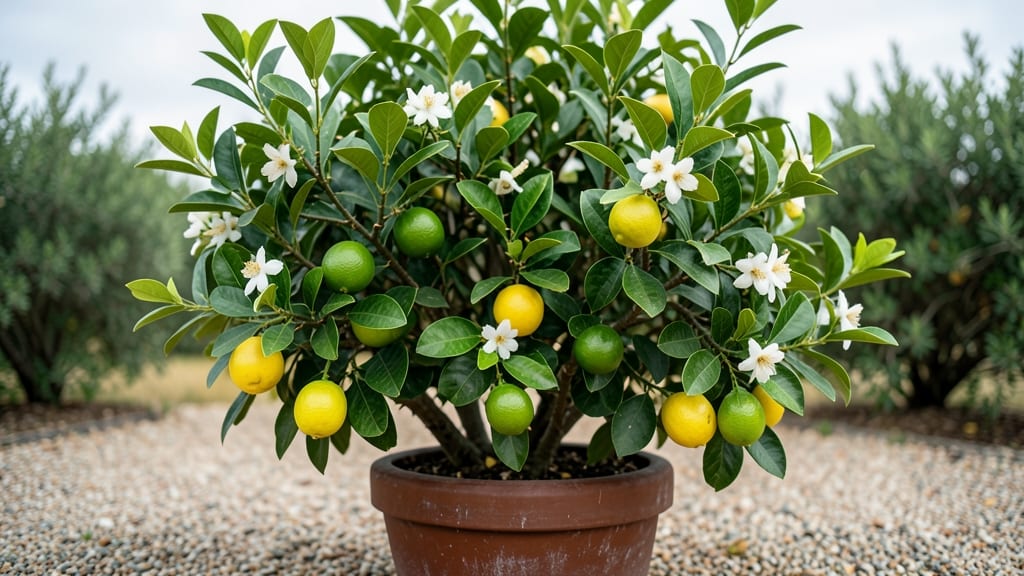
Pruning your lemon lime citrus bush is the secret to doubling your harvest next year. 🌿 I learned this the hard way after my first prune left me with sparse fruit—until I discovered the right technique that turns tangled branches into a productive, sunlit canopy.
The key isn’t just cutting back, but shaping the plant to maximize airflow and light penetration, which is where the real magic happens.
You’ll need sharp pruning shears, a clean workspace, and about 30 minutes on a bright day. Start by removing dead or crossing branches first—they’re the easy wins that instantly improve the plant’s health.
Then focus on thinning out crowded areas, aiming to keep the bush open enough for sunlight to reach all sides. This isn’t about drastic cuts; think of it as giving your plant a spa day to grow stronger, not stressed.
What you’ll end up with is a bush that produces thicker, more abundant fruit all year long. The leaves stay vibrant green, the branches bear fewer but juicier lemons and limes, and you’ll notice fewer pests hiding in dense foliage.
Even better, the pruned branches can be propagated to grow new plants—so you’re not just boosting one bush, but potentially creating more.
This method works for both container-grown bushes and in-ground plants, though container growers should prune slightly more aggressively to control size. Whether you’re in USDA Zone 9-11 or a warm microclimate elsewhere, the principles stay the same.
Let’s get those shears ready—your citrus harvest is about to get a serious upgrade.
📚 In This Guide
- What you need
- Instructions
- Tips and common mistakes
- Wrapping up and next steps
What you need
- ● Pruning shears: Sharp, clean, and sterilized (rubbing alcohol or bleach solution works). Opt for bypass pruners for precision cuts.
- ● Gloves: Heavy-duty gardening gloves to protect your hands from thorns and sap.
- ● Disinfectant: 1 part bleach to 9 parts water (for sterilizing tools between cuts).
- ● Rubbing alcohol (70% or higher): For quick tool sterilization.
- ● Pruning saw: Small handsaw for thicker branches (if needed).
- ○ Plastic bags or container: For collecting pruned branches (optional but helpful for composting or disposal).
- ● Sharpie or permanent marker: To label branches if grafting or propagating.
- ● Hand lens or magnifying glass: For inspecting buds and growth points closely.
- ● Pruning sealant: (e.g., tree wound paint) for large cuts to prevent disease.
- ● Spray bottle with water: To mist cuts and reduce stress on the plant.
- ● Notebook & pen: To log pruning dates, branch locations, and plant responses.
- ● Citrus fertilizer: (e.g., 6-6-6 or organic options) to replenish nutrients post-pruning.
Instructions for pruning your lemon lime citrus bush
Here's how I keep my lemon lime bush thriving and bursting with fruit all year.
✂️ Step 1: Time Your Pruning for Maximum Growth
Prune your lemon lime bush in late winter or early spring, just as new growth begins. This timing gives the plant time to recover before summer's heat and fruit production demands. Avoid pruning during fall or winter when the plant is dormant—it won't heal properly and may invite pests or disease.
Look for swollen buds along the branches as your cue. These indicate the plant is waking up and ready to respond to pruning. If you're in a warm climate, you can do a light shaping trim in early summer after harvest, but avoid heavy cuts then.
✂️ Step 2: Remove Dead, Diseased, or Crossing Branches First
Start by inspecting your bush for any dead, broken, or diseased branches—these should be your first to go. Use sterilized pruning shears to make clean cuts just above a leaf node (the bump where leaves attach). This ensures new growth can sprout from that point.
Next, remove any branches that are rubbing against each other or growing inward. These "crossing branches" compete for sunlight and nutrients, weakening the plant. You'll know you've done well when the bush's center is open and air can flow freely through it.
✂️ Step 3: Shape the Bush for Sunlight and Airflow
Step back and visualize the bush's shape. Aim for a rounded, open form that lets sunlight reach the inner branches. Cut back any branches that are growing too close together or blocking light from the center. For every cut you make, look for a bud or leaf node to leave behind—this is where new growth will emerge.
Focus on outer branches first, then work your way inward. Avoid cutting more than one-third of the plant's foliage in a single session—this can stress the lemon lime bush and reduce fruit production. If the bush is large, spread pruning over two sessions a week apart.
💧 Step 4: Prune for Fruit Production
To encourage more fruit, target branches that are overloaded with fruit—these often produce small, underdeveloped citrus. Cut back some of the fruit clusters, leaving only the healthiest, largest ones. This redirects the plant's energy to producing fewer but larger, juicier lemons and limes.
Also, trim back any water sprouts—those are the fast-growing, weak shoots that appear in the bush's center. These saplings drain energy from the main structure. Cut them back to a leaf node or remove them entirely if they're small.
🌱 Step 5: Clean Up and Encourage New Growth
After pruning, sterilize your tools with rubbing alcohol to prevent spreading disease. Remove all pruned branches from the area—don't leave them on the ground, as they can harbor pests or fungi. Once the cuts are made, give your lemon lime bush a light fertilizer application to support new growth.
Within 2-3 weeks, you should see new buds forming at the pruned areas. Keep the soil moist but not soggy and provide bright, indirect light (or 6+ hours of morning sun). Avoid heavy watering right after pruning—wait until new growth appears before adjusting your watering routine.
Tips & tricks for pruning your lemon lime citrus bush
These simple strategies will help you avoid common mistakes and keep your citrus bush thriving for years.
Timing is Everything: The late winter to early spring timing in Step 1 isn't just about avoiding dormancy—it's about catching the plant at its most resilient point. I've seen citrus bushes recover beautifully from pruning when done right after those swollen buds appear, but the same cuts made in fall often lead to slow healing. In warmer climates, that light summer trim after harvest should be minimal—just enough to shape without stressing the plant during peak fruit production.
Tool Prep Matters: Sterilizing your pruning shears between cuts (as mentioned in Step 5) prevents spreading disease, but here's what nobody tells you—wipe the blades with a damp cloth after each plant if you're working with multiple citrus bushes. I learned this the hard way after seeing a healthy bush develop fungal spots. Also, keep your shears sharp; dull blades crush stems instead of making clean cuts, which invites infections.
Visual Cues for Perfect Cuts: When making cuts in Steps 2 and 3, look for that 45-degree angle just above the leaf node. This angle helps water run off the cut and prevents rot. For water sprouts in Step 4, cut back to where the branch is about the thickness of a pencil—this encourages stronger regrowth. I mark my cuts with a pencil before snipping to visualize where the new growth will emerge.
Post-Pruning Care: That light fertilizer application in Step 5 is crucial, but timing matters. Wait 7-10 days after pruning before fertilizing—this gives the plant time to focus on healing rather than processing nutrients. And don't overdo it: a balanced citrus fertilizer with equal parts nitrogen, phosphorus, and potassium works best. I've seen plants stressed by heavy feeding right after pruning, so start light and monitor the leaves for color changes.
Pro Tips for Lemon Lime Citrus Bush
- These simple strategies will help you avoid common mistakes and keep your citrus bush thriving for years.
- Timing is Everything: The late winter to early spring timing in Step 1 isn't just about avoiding dormancy—it's about catching the plant at its most resilient point.
- I learned this the hard way after seeing a healthy bush develop fungal spots.
Frequently asked questions
Got questions about keeping your lemon lime citrus bush thriving with the perfect prune? You’re not alone! Here are answers to the most common queries to help you grow a productive, healthy plant year-round.
When is the best time to prune my lemon lime citrus bush?
Prune your citrus bush twice a year: in late winter/early spring (just before new growth starts) and summer after harvest. Avoid pruning in fall or winter when the plant is dormant—this can stress it. Light trimming to shape can happen anytime, but major cuts should wait for the ideal seasons!
How much should I trim off my lemon lime citrus bush?
Remove no more than 25-30% of the plant’s foliage in one session to avoid shock. Focus on:
- Dead, diseased, or crossing branches
- Overcrowded growth blocking sunlight
- Leggy stems (cut back to a leaf node or bud)
Can I prune my citrus bush in hot or cold weather?
Avoid pruning during heatwaves (above 90°F) or freezing temps (below 40°F). Extreme temperatures stress the plant, slowing recovery. If you must trim in summer, do it early morning or late evening to reduce sunburn risk. Cold snaps? Wait until spring—citrus is sensitive to frost damage!
Will pruning my lemon lime citrus bush increase fruit production?
Yes! Pruning boosts fruit quality and quantity by:
- Improving airflow (reducing fungal diseases)
- Encouraging energy to focus on fruit, not excess foliage
- Opening the canopy to sunlight for sweeter fruit
What if my lemon lime citrus bush doesn’t produce fruit after pruning?
Several factors could be at play:
- Age: Young plants (under 3 years) focus on growth, not fruit.
- Light: Citrus needs 6+ hours of sunlight daily—move it if shaded.
- Pollination: Hand-pollinate with a brush if bees are scarce.
- Nutrients: Test soil for nitrogen, phosphorus, and potassium imbalances.
Can I propagate cuttings from my pruned lemon lime citrus bush?
Use 4-6 inch semi-hardwood cuttings (from non-flowering stems) in spring/summer. Dip in rooting hormone, plant in perlite/sand mix, and keep humid. Roots typically form in 4-8 weeks. Pro tip: Label cuttings—some citrus varieties graft poorly!
Wrapping up and next steps
Growing a thriving lemon lime citrus bush is all about balance—pruning at the right time, using the right tools, and giving your plant the love it deserves. 🌿 With these techniques, you’ll enjoy a bountiful harvest year-round while keeping your bush healthy and vibrant.
Now that you’re armed with the knowledge, grab those shears and get pruning! Next, consider experimenting with different pruning styles or even propagating cuttings to expand your citrus family.