
Pruning
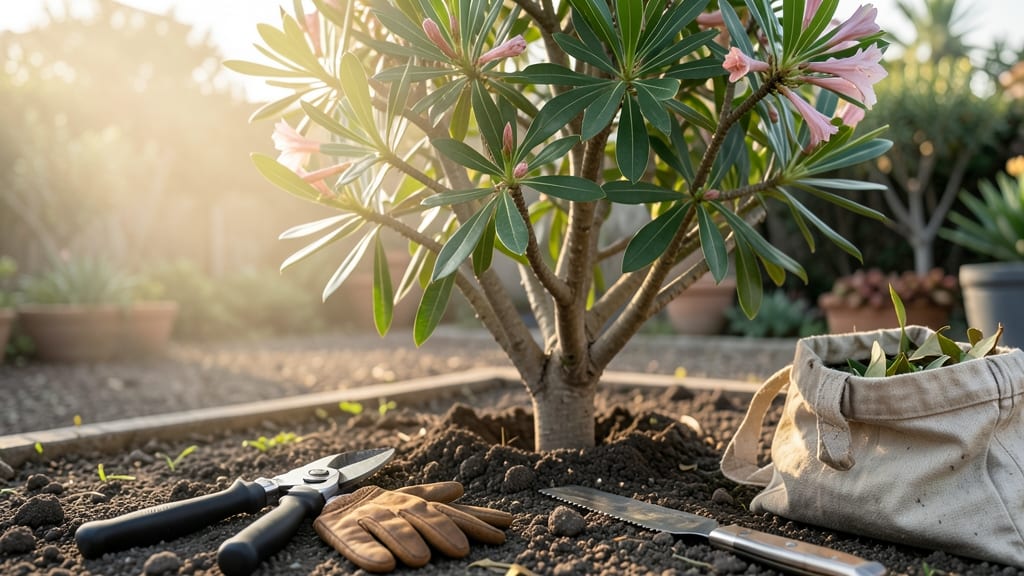
Pruning oleander bushes transforms them from wild, leggy shrubs into vibrant, flowering showstoppers—but timing and technique make all the difference. ✂️ The key is cutting back in early spring or right after blooming, when the plant’s energy shifts to new growth rather than struggling with overgrowth.
This isn’t just about looks; it’s about health, too. Oleander blooms best when pruned correctly, and the right cuts prevent disease while keeping the bush compact enough to admire from your patio.
You’ll need sharp bypass pruners, heavy-duty gloves (the sap is toxic—never touch your face or eyes after handling), and a clean bucket for clippings. Start by removing dead or crossing branches first, then shape the bush by cutting just above a leaf node or bud.
Avoid over-pruning: never trim more than one-third of the bush at once, or you risk stressing the plant. Oleander is tough, but even tough plants need respect.
After pruning, give your bush a light fertilizer with phosphorus to encourage blooms, and water deeply to help it recover. You’ll see new shoots within weeks, and by summer, your oleander will be lush and loaded with fragrant flowers.
The best part? Proper pruning keeps the bush manageable year-round, so you’re not fighting branches in hurricane season or struggling to see through it in winter.
This method works for both small patio bushes and large landscape specimens. Just adjust the tools—loppers for thicker branches—and repeat the process every 12–18 months to maintain shape. The payoff? A bush that stays healthy, blooms reliably, and never outgrows its space. Now, let’s get those pruners ready.
📚 In This Guide
- What you need
- Instructions
- Tips and common mistakes
- Wrapping up and next steps
What you need
- ● Pruning shears or bypass pruners – Choose sharp, high-quality ones (e.g., Felco or Fiskars) for clean cuts. Size matters! Opt for 8-10 inch blades for thick branches.
- ● Loppers – For branches ½ to 1½ inches thick. A bypass lopper (like Corona or Bahco) is ideal.
- ● Pruning saw – For stubborn, thick oleander branches (1½+ inches). A curved-tooth saw minimizes tear-out.
- ● Heavy-duty gloves – Nitrile or rubber-coated (e.g., Mechanix or Dr. McGill’s) to protect against toxic sap and thorns.
- ● Long-sleeved shirt and pants – Wear closed-toe shoes and eye protection (safety goggles) to avoid sap irritation.
- ● Disposable gloves or nitrile liner gloves – For handling pruned branches (oleander sap can cause skin irritation).
- ● Heavy-duty trash bags (20-30 gallon) – For secure disposal of pruned branches (check local regulations—some areas require special disposal due to toxicity).
- ● Hose with nozzle or bucket of water – To rinse tools and skin after contact with oleander sap.
- ○ Rake or garden fork – For clearing debris and aerating soil post-pruning (optional but helpful).
- ○ Pruning sealant (optional but recommended) – A fast-drying, non-toxic sealant (like Tree Help or Tanglefoot) to coat large cuts and prevent disease.
- ● Extension pole pruners – For tall oleander bushes (6+ feet) without needing a ladder.
- ● Ladder (aluminum or fiberglass) – If your bush is over 6 feet tall. Always prioritize safety!
- ● Hand sanitizer or rubbing alcohol – For cleaning hands after pruning (oleander sap can linger).
- ● Sharpie or permanent marker – To mark cuts for future reference (e.g., "Shape here next season").
- ● Compost bin (if allowed locally) – For small, uncontaminated prunings (check toxicity rules first!).
Step-by-step instructions for cutting back oleander bushes
Here's my foolproof method for shaping oleander safely—without harming you or your plant.
✂️ Step 1: Time Your Pruning for Maximum Growth
Spring is ideal for shaping oleander, right after the last frost when new growth begins. You'll see fresh, bright green leaves emerging—wait until they appear before cutting. Avoid pruning in fall or winter; the plant needs its foliage to protect it from cold damage.
If you must shape in late summer, do it early in the season before the heat sets in. Oleander responds best to pruning when it's actively growing. Never cut into old, bare wood—you won't get new growth from those branches. Look for green stems with buds; those are your targets.
✂️ Step 2: Gather Tools and Safety Gear
Wear long sleeves, gloves, and safety goggles—oleander sap contains toxic compounds that can irritate skin and eyes. I use sharp bypass pruners for clean cuts on smaller branches and loppers for thicker stems. Disinfect your tools with rubbing alcohol before and after pruning to prevent disease spread.
Lay down a tarp or old sheets beneath the bush to catch fallen leaves and debris. Oleander cleanup is messy, and toxic leaves can harm pets or children if ingested. I always double-bag the clippings in sealed plastic bags for disposal at the landfill—never compost them.
✂️ Step 3: Shape the Bush with Clean Cuts
Start by removing dead, diseased, or crossing branches first—these compete with healthy growth. Cut just above a leaf node or outward-facing bud at a 45-degree angle to encourage outward growth. Never leave stubs; they invite rot and pests.
For general shaping, reduce the bush by no more than one-third in a single session. I like to create an open, vase-like shape by cutting back the longest branches first. Step back frequently to check your progress—you want sunlight to reach the center of the plant.
💧 Step 4: Water and Fertilize After Pruning
Give the bush a deep watering right after pruning to help it recover. Water at the base, avoiding the foliage to prevent fungal issues. Oleander is drought-tolerant, but fresh cuts need moisture to heal properly.
Apply a balanced, slow-release fertilizer (like 10-10-10) two weeks after pruning to support new growth. I scatter granules around the root zone and water them in. Avoid heavy feeding right after cutting—it stresses the plant while it’s recovering.
⏰ Step 5: Monitor for New Growth and Repeat as Needed
Watch for new shoots emerging from the pruned areas within 4-6 weeks. Healthy growth should be vibrant green and firm to the touch. If you see yellowing leaves or wilting, reduce watering—oleander prefers dry conditions once established.
For ongoing maintenance, trim lightly every 6-8 weeks during the growing season to maintain shape. Never let oleander grow unchecked; it can become leggy and woody. A well-shaped bush blooms more abundantly and stays compact.
Tips & tricks for perfect oleander pruning
Here's what nobody tells you about pruning oleander without stressing the plant—or yourself.
Timing is Everything: The 4-6 week window for new growth after pruning is your best friend. Mark your calendar right after you finish shaping—this helps you track progress and plan next steps. I've found that pruning in late spring gives the bush the longest growing season to recover before winter, while summer pruning should only happen early in the season to avoid heat stress.
Safety Gear That Actually Works: Don't just grab any gloves—look for heavy-duty gardening gloves rated for chemical resistance. Oleander sap can cause skin irritation, and regular gloves won't protect you properly. I also keep a small bottle of rubbing alcohol in my toolkit to disinfect tools between cuts, especially when working with multiple bushes. This prevents cross-contamination of potential diseases.
The One-Third Rule: Reducing the bush by no more than one-third in a single session is non-negotiable. This prevents shock and allows the plant to recover properly. I like to visualize the bush as a pie chart—if I'm removing more than a quarter of the foliage, I'll split the job into two sessions with a few weeks between them. The plant will thank you with healthier growth.
Fertilizer Timing Matters: That two-week wait before fertilizing after pruning is crucial. The plant needs time to heal and establish new growth before you add nutrients. I use a slow-release fertilizer because it gives the oleander a steady supply without overwhelming it. Think of it like giving the plant a vitamin boost after a workout—timing is everything.
Pro Tips for Cutting Back Oleander Bushes
- Here's what nobody tells you about pruning oleander without stressing the plant—or yourself.
- Timing is Everything: The 4-6 week window for new growth after pruning is your best friend.
- Safety Gear That Actually Works: Don't just grab any gloves—look for heavy-duty gardening gloves rated for chemical resistance.
Frequently asked questions
Got questions about trimming your oleander bushes safely and effectively? Here are some of the most common concerns—and their answers—to help you prune like a pro!
When is the best time to cut back oleander bushes?
The ideal time is late winter or early spring (just before new growth starts) to encourage lush, healthy blooms. You can also prune lightly after flowering to maintain shape. Avoid heavy cuts in fall—oleanders need time to harden off before winter. Pro tip: If your bush is overgrown, spread pruning over 2-3 sessions to avoid shock!
Is oleander sap toxic? How do I handle it safely?
Yes! All parts of the oleander plant—leaves, sap, and even smoke from burning it—are highly toxic. Wear gloves, long sleeves, and safety goggles when pruning. Wash tools and hands thoroughly with soap and water afterward. Never compost oleander clippings—dispose of them in sealed bags or burn them in a controlled, outdoor fire pit (away from pets/kids).
How much can I cut back oleander bushes without harming them?
Mature oleanders are tough! You can lightly prune up to 1/3 of the bush annually without stress. For severely overgrown bushes, trim no more than 1/2 in a single season, focusing on dead or crossing branches first. Warning: Avoid "topping" (cutting the top flat)—this encourages weak growth and disease. Aim for a natural, balanced shape.
Will pruning oleander reduce or stop its flowers?
Pruning encourages more flowers if done correctly! Cutting back old wood in late winter stimulates new growth, which often blooms more vigorously. For year-round color, prune lightly after each flowering cycle to promote continuous blooms. Just avoid heavy cuts in summer—this can pause flowering until spring.
What’s a good alternative if I don’t want to deal with oleander’s toxicity?
If toxicity is a concern, consider non-toxic, drought-tolerant shrubs like:
- Texas Ranger (leucophyllum frutescens) – Blooms after rain!
- Jasmine (Star or Pink) – Fragrant and pet-friendly.
- Bougainvillea – Vibrant, low-maintenance, and non-toxic.
- Lantana – Drought-resistant with colorful clusters.
Wrapping up and next steps
Cutting back oleander bushes doesn’t have to be intimidating—with the right tools, timing, and safety precautions, you can transform your shrubs into lush, toxin-safe masterpieces year-round. Whether you’re pruning for shape, health, or blooms, remember to always prioritize safety (those sap toxins are no joke!) and work with confidence. 🌿
Ready to tackle your next pruning project? Grab your gloves, sharpen those shears, and start shaping those oleanders with pride! For extra inspiration, check out before-and-after pruning galleries to see the stunning results you can achieve.