
Pruning
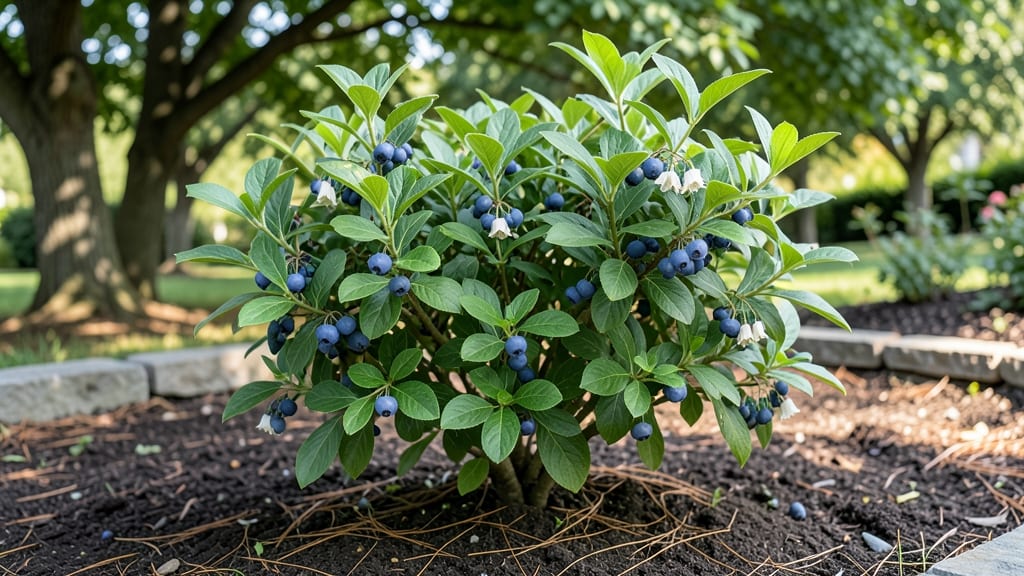
Your Jubilee blueberry bush could produce twice as many berries this year with just a few strategic cuts. 🌿 I’ve pruned mine for five seasons, and the difference between a well-maintained bush and one left to its own devices is night and day—more compact growth, bigger harvests, and fewer pests.
The key is timing and technique: prune in late winter or early spring before new growth starts, and always cut back to an outward-facing bud.
Jubilee bushes thrive in full sun and acidic soil (pH 4.5–5.5), but even if your soil isn’t perfect, you can amend it with peat moss or pine needles. Water deeply once a week, especially during fruit set, and mulch to keep roots cool.
By summer, you’ll see lush, bushy growth with fewer leggy branches, and those berries will ripen in clusters instead of sparse patches. The earlier you start pruning, the more dramatic the improvement—think 30% more berries in just one season.
This method works for container-grown Jubilee bushes too, making it perfect for small spaces or urban gardens. Let’s get those shears ready!
📚 In This Guide
- What you need
- Instructions
- Tips and common mistakes
- Wrapping up and next steps
What you need
- ● Pruning shears – Bypass pruners (sharp, clean, and disinfected with rubbing alcohol or bleach solution to prevent disease).
- ● Hand pruners – For smaller branches (1/4"–3/8" blades for precision).
- ● Loppers – For thicker branches (2"–3" cutting capacity).
- ● Gloves – Garden or work gloves (thick enough to protect from thorns and sharp edges).
- ● Disposable pruning bags – To collect and dispose of pruned branches (prevents spreading pests).
- ● Hose or water sprayer – For cleaning tools and rinsing off sap/resin.
- ○ Pruning sealant (optional) – Tree wound dressing (only if sealing large cuts to prevent disease).
- ● Know your bush’s age – Jubilee blueberries are dwarf varieties (3–4 ft tall), but pruning needs vary by year 1–3 vs. established bushes (4+ years).
- ● Check the weather – Prune on a dry, cloudy day (avoid extreme heat or frost).
- ● Gather safety gear – Sunglasses (if working in bright sun) and sturdy shoes (for uneven ground).
- ● Have a plan – Sketch a quick pruning map of your bush (identify dead, crossing, or overcrowded branches).
- ● Pruning saw – For stubborn, thick wood (rare in Jubilee bushes but useful for older stems).
- ● Rake or leaf blower – To clear debris after pruning.
- ● Organic mulch – Pine straw or wood chips (2–3 inches deep) to protect roots post-pruning.
- ● Blueberry fertilizer – Acid-loving plant food (apply 4–6 weeks after pruning for a nutrient boost).
- ● Camera or phone – Snap before/after photos to track progress!
Step-by-step guide to pruning Jubilee blueberry bushes
Here's how to keep your Jubilee blueberry bushes thriving and producing berries all season long.
✂️ Step 1: Prune After Harvest to Encourage New Growth
Once you've picked all the berries, grab your pruning shears and remove any dead or diseased branches first. These are easy to spot—they're brown, brittle, or have blackened cankers. Cut them back to healthy wood, which is greenish-brown and firm to the touch. This ensures your bush focuses energy on new, productive growth rather than repairing damage.
Next, thin out any branches that cross or rub against each other. You'll see these as branches growing inward or tangled together. Removing them improves airflow and sunlight penetration, which prevents fungal diseases like powdery mildew. Aim to keep the bush open and airy, like a loose umbrella rather than a dense thicket. For Jubilee bushes, which are naturally compact, you won’t need to remove more than 20-25% of the plant at this stage.
🌿 Step 2: Shape the Bush During Late Winter Dormancy
Wait until late winter, just before buds swell but before new growth starts—usually February or March in most climates. This is the best time to shape your Jubilee bush because it’s dormant, so pruning won’t stress it. Start by removing any weak or spindly branches that aren’t producing well. These are the ones with thin stems and few berries. Cut them back to the ground or to a strong lateral branch if they have any.
Focus on maintaining an open center. Jubilee bushes naturally grow in a rounded shape, so let that guide your cuts. If you see branches growing straight up from the center, cut them back by about one-third to encourage outward growth. This keeps the bush compact and makes picking berries easier. Always make cuts just above a bud or branch junction, angled slightly away from the bud to prevent water from pooling and rotting the wound.
☀️ Step 3: Lightly Trim in Early Summer for Bushier Growth
Around June or early July, give your Jubilee bush a light trim to encourage bushier growth and more berries next year. Look for any branches that are growing too long or leggy—they’ll have long stretches without leaves or fruit. Cut these back by about one-third to stimulate branching. You’ll notice these branches are thinner and have fewer leaves compared to the healthier, sturdier ones.
This summer pruning also helps control the size of your bush, which is especially useful if you’re growing Jubilee in a small space. After trimming, water deeply to help the bush recover. You’ll see new shoots forming within a few weeks, and these will produce flowers and berries the following season. Avoid heavy pruning in summer, though—stick to light shaping to avoid stressing the plant.
⏰ Step 4: Monitor and Adjust Throughout the Year
Keep an eye on your Jubilee bush throughout the growing season. If you notice any branches growing too close together or shading the center, trim them back in early spring or late summer. The goal is to keep sunlight reaching all parts of the bush, which ensures even ripening and better flavor. You’ll know you’re doing well when the center of the bush stays open and you can see light reaching the inner branches.
Finally, don’t forget to fertilize after pruning. Jubilee bushes benefit from a balanced fertilizer in early spring and a light application of acidic fertilizer in late summer to keep the soil pH between 4.5 and 5.5. This supports healthy growth and berry production. With consistent pruning and care, your Jubilee bush will stay compact, productive, and full of flavorful berries for years to come.
Tips & tricks for pruning Jubilee blueberry bushes
Keeping your Jubilee blueberry bushes productive takes a little know-how—and these tricks will help you avoid common mistakes while maximizing berry production.
The Timing Secret: Late winter pruning (February or March) is critical because the bush is dormant, so it won't stress from losing branches. If you miss this window, wait until early spring when new growth begins—but never prune when buds are already swelling. I've seen gardeners prune too early in cold snaps, which can actually damage the plant.
Tool Technique: Use sharp, clean pruning shears to make precise cuts just above a bud or branch junction. Dull tools crush stems, creating larger wounds that invite disease. I sterilize my shears with rubbing alcohol between cuts, especially when dealing with diseased branches. This keeps infections from spreading to healthy parts of the bush.
Visual Cues for Pruning: When shaping in late winter, look for branches growing straight up from the center—they're called "watersprouts." Cutting these back by one-third encourages outward growth, which makes picking berries easier. Think of it like sculpting: you want that rounded, open shape, not a dense, tangled mess.
Recovery Strategy: After summer trimming (June or early July), water deeply to help the bush recover. I always give my bushes a good soak right after pruning, which helps them bounce back faster. Avoid heavy pruning in summer—stick to light shaping to prevent stressing the plant during its peak growing season.
Pro Tips for Jubilee Blueberry Bush
- Keeping your Jubilee blueberry bushes productive takes a little know-how—and these tricks will help you avoid common mistakes while maximizing berry production.
- The Timing Secret: Late winter pruning (February or March) is critical because the bush is dormant, so it won't stress from losing branches.
- Tool Technique: Use sharp, clean pruning shears to make precise cuts just above a bud or branch junction.
Frequently asked questions
Got questions about your Jubilee blueberry bush? You’re not alone!
Whether you’re a first-time pruner or a seasoned gardener, these answers will help you keep your compact blueberry bush thriving all year. Let’s dive in!
When is the best time to prune my Jubilee blueberry bush?
The ideal time to prune is late winter or early spring (before buds swell) or right after harvest in summer. Jubilee bushes are everbearing, so avoid heavy pruning in late summer—it can reduce next year’s crop. Focus on removing dead wood, crossing branches, and shaping for airflow.
How much can I cut back my Jubilee bush without harming it?
For Jubilee bushes, never remove more than 1/3 of the plant’s growth in a single pruning session. Light pruning (10-20%) after harvest encourages bushier growth. If your bush looks overgrown, spread cuts over two years—prune lightly now, then again next spring. Over-pruning stresses the plant and delays fruiting.
Why aren’t my Jubilee blueberries ripening evenly?
Uneven ripening often stems from inconsistent sunlight or water. Jubilee bushes need 6+ hours of sun daily and consistent moisture (especially during fruit set). Check for:
- Shade from nearby trees/shrubs
- Dry soil (water deeply 1–2x/week)
- Nutrient deficiencies (test soil pH; blueberries love acidic soil (4.5–5.5))
Can I prune my Jubilee bush in winter if it’s still cold?
Wait until after the last hard frost (when soil thaws but buds haven’t opened). Pruning too early in freezing temps can damage dormant buds. If you must prune in winter, do it on a mild day (above 40°F) and avoid heavy cuts. Focus on removing dead or broken branches first.
What’s a good alternative if my Jubilee bush isn’t producing well?
If your Jubilee struggles, try these low-maintenance alternatives:
Variety
Why It Works
Top Hat
Dwarf, everbearing, and cold-hardy—perfect for containers.
Patriot
Compact, self-pollinating, and disease-resistant.
Sunshine Blue
Heat-tolerant and high-yielding for warmer climates.
All three thrive in acidic soil and need similar pruning care. Consider cross-pollination if your Jubilee lacks neighbors!
Wrapping up and next steps
Growing a thriving Jubilee blueberry bush is all about timing, technique, and a little patience—just like nurturing any prized plant in your garden! With the right pruning strategies, you’ll enjoy years of compact, bountiful harvests and healthier bushes.
Whether you’re a seasoned gardener or just starting out, these year-round tips will set you up for success.
Ready to take the next step? Start small:
- 📅 Mark your calendar for seasonal pruning reminders.
- 🌱 Grab your tools and get hands-on—your Jubilee bush will thank you!
- 📸 Snap progress photos to track growth and celebrate milestones!