
Pruning
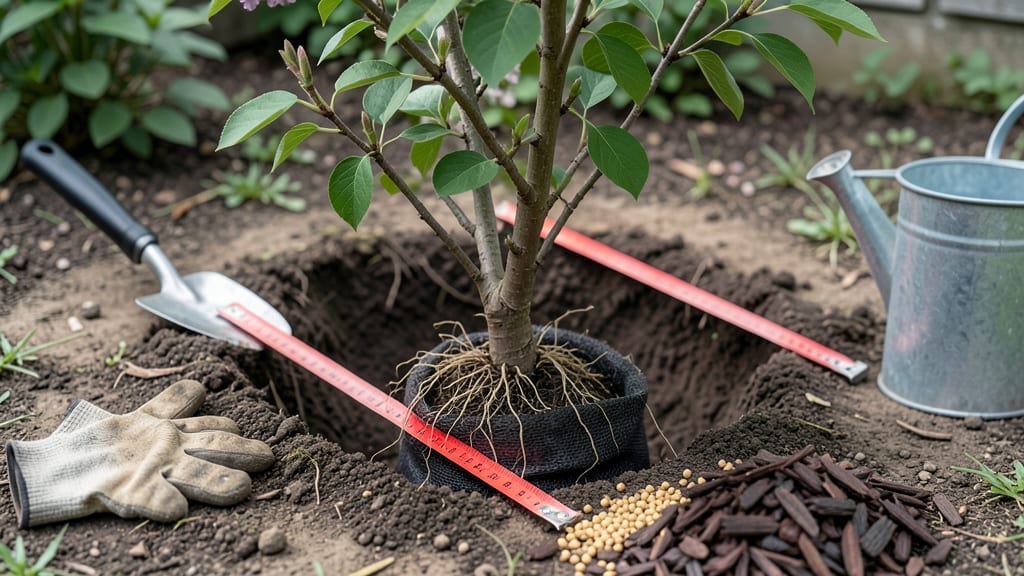
To start a lilac bush, choose a hardy variety like 'Katherine Haviland' or 'Mardi Gras,' then plant bare-root cuttings or container-grown plants in well-draining soil with full sun exposure, spacing them 4-6 feet apart. Water thoroughly after planting and apply mulch to preserve moisture.
Lilacs thrive when planted at the right time—early spring or fall—when soil temperatures are cool but not frozen. 🌱 These fragrant shrubs prefer USDA zones 3-7, where they can handle winter chills without stress.
The key is well-draining soil with a slightly acidic to neutral pH (6.0-7.0), which prevents root rot while encouraging vigorous growth. Full sun exposure (at least 6 hours daily) is non-negotiable for those iconic purple blooms, though some varieties tolerate partial shade in hotter climates.
Once you've picked your spot, dig a hole twice as wide as the root ball but no deeper. Gently loosen the roots if planting bare-root cuttings, then position the bush so the top of the root flare sits just above soil level.
Backfill with native soil mixed with compost, water deeply to settle it, and top with 2-3 inches of mulch to lock in moisture while keeping roots cool.
💡 In This Article
- Best Time and Conditions for Planting Lilac Bushes
- Step-by-Step Lilac Bush Planting and Early Care Guide
Best time and conditions for planting lilac bushes
The ideal window for planting lilacs is during their dormant season—either in early spring (March-April) or fall (September-October). This timing allows roots to establish before summer heat or winter frost arrives.
Lilacs are hardy in USDA zones 3-7, meaning they can thrive in regions with cold winters (down to -30°F) and hot summers, though they prefer moderate climates without extreme temperature swings.
Soil composition is critical: lilacs demand well-draining soil with a pH of 6.0-7.0. Sandy loam or loamy soil works best, as waterlogged roots lead to rot. If your soil is heavy clay, amend it with 1/3 organic matter (compost or peat moss) to improve aeration.
The roots need oxygen to grow, and compacted soil suffocates them. Full sun exposure (6+ hours daily) is essential for those vibrant blooms, though varieties like 'Miss Kim' can tolerate partial shade in hotter zones.
Here's what happens when conditions go wrong: too much shade reduces flower production by 40-60%, while poor drainage causes roots to suffocate. I've seen lilacs planted in clay soil struggle to bloom for years until amended—patience is key!
The right conditions mean the difference between a bush that thrives for decades and one that fades within a few years. 🌿
Climate matters too. In zones 6-7, spring planting is preferred to avoid late frosts damaging new growth. In colder zone 3-4 areas, fall planting gives roots time to establish before winter. The key is avoiding stress periods—never plant during extreme heat or freezing temperatures.
One pro tip: if planting in fall, do it 6-8 weeks before first frost to allow roots to establish before winter dormancy. The roots grow best when soil temps are between 50-65°F, which is why spring and fall are perfect.
This temperature range triggers root cell division without overwhelming the plant.
Consider these factors when choosing your planting spot:
- Sunlight: South-facing locations get the most sun; avoid north-facing spots unless you're in a mild climate
- Wind protection: Lilacs need shelter from strong winds that can damage delicate stems
- Existing plants: Avoid planting under trees with aggressive roots (like maples) that compete for nutrients