
Pruning
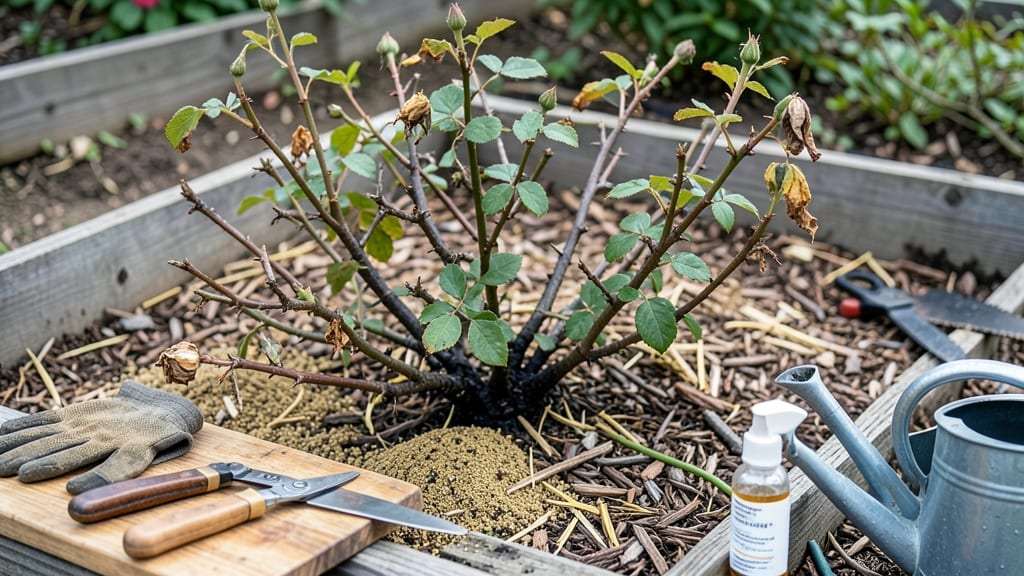
Reviving a rose bush starts with a single, bold cut—and it changes everything. ✂️ After years of struggling with leggy, sparse bushes that barely bloomed, I discovered deep-cut pruning transforms even the most neglected roses into vigorous plants within weeks.
The key isn't just cutting back; it's cutting right—removing dead wood, opening the center, and forcing new growth from the base.
Most people overwater or underwater, but roses hate soggy roots just as much as they hate drought. I now check soil moisture by sticking my finger 2 inches down—if it's dry, water deeply; if it's muddy, hold off.
Adding a 2-inch layer of compost around the base gives them the nutrients they crave without overfeeding. And yes, those black spots on leaves? That's fungal disease, and it's easily fixed with neem oil or baking soda spray.
By late spring, you'll see thick red shoots pushing from the canes, and by summer, those same branches will burst with blooms you thought were impossible. The secret isn't complicated—it's consistent care, sharp pruners, and the patience to let the bush heal itself.
Your roses will thank you with stronger stems, more flowers, and a bush that actually looks like a rose bush again.
This method works for hybrid teas, floribundas, and even old garden roses—just adjust the pruning timing to your climate. Once you've revived one bush, you'll never let another go to waste. Let's get those pruners out and bring your roses back to life.
Root Causes Behind Dying Roses
When your once-vibrant rose bush starts wilting, dropping leaves, or refusing to bloom, it’s rarely a mystery—just a mix of overlooked care factors. Understanding why your roses are struggling is the first step to bringing them back to life.
Below, we break down the most common culprits, backed by science, so you can diagnose the issue like a pro.
Roses thrive in well-draining, nutrient-rich soil with a pH between 6.0 and 6.5. When soil fails them, roots suffocate, starve, or drown—leading to yellowing leaves, stunted growth, or even death.
- Compacted or Clay Soil:
Heavy, waterlogged soil cuts off oxygen to roots, causing root rot (a fungal infection that strangles the plant). Look for dark, mushy roots or leaves that turn yellow and wilt even when soil is wet.
- Nutrient Deficiency:
Roses are heavy feeders and deplete soil quickly. A lack of nitrogen, phosphorus, or micronutrients like iron or magnesium leads to:
- Yellowing between leaf veins (iron deficiency, aka chlorosis)
- Purple stems or leaves (phosphorus deficiency)
- Small, pale new growth (nitrogen deficiency)
- Wrong pH Balance:
Soil that’s too acidic (pH < 6.0) or alkaline (pH > 7.0) locks out essential nutrients. Alkaline soil (common in areas with limestone) blocks iron and manganese, causing yellow leaves even if soil looks moist.
💡 Pro Tip: Test your soil with a DIY kit or send a sample to a local extension office. Amend compacted soil with compost or perlite, and adjust pH with sulfur (for alkaline soil) or lime (for acidic soil).
Roses hate extremes—drought stress and overwatering both trigger decline. Since roses have deep roots, inconsistent moisture confuses them, leading to weak stems, dropped buds, or fungal infections.
- Underwatering:
Roses need 1–2 inches of water per week (more in heat). When soil dries out:
- Leaves curl and crisp at the edges (like burnt paper).
- Bud drop occurs before blooming.
- Stems become brittle and snap easily.
🌡️ Sign of drought: Stick your finger 2 inches into the soil—if it’s dry, water deeply.
- Overwatering:
Soggy soil smothers roots and invites Phytophthora (a deadly water mold). Watch for:
- Yellowing leaves that stay soft (not crispy like drought).
- Black, mushy roots when dug up.
- Foul-smelling soil (a red flag for rot).
⚠️ Warning: Mulch too thickly (over 3 inches) or water without drainage? You’re creating a root suffocation chamber.
Roses are sun lovers, but too much (or too little) of the wrong kind of sunlight, plus harsh winds, can shock them into decline. Here’s how to spot the damage:
- Insufficient Sunlight:
Roses need 6–8 hours of direct sun daily. Without it, they:
- Grow long, leggy stems with few buds.
- Develop pale, weak leaves prone to pests.
- Fail to bloom consistently.
- Scorched Leaves:
Intense afternoon sun (especially in hot climates) causes brown, crispy leaf edges. This is not drought—it’s sunburn. Roses in USDA Zones 7–10 often suffer in summer.
- Wind Damage:
Strong winds desiccate leaves (dry them out) and break stems. Look for:
- Ragged, torn leaves (not clean cuts from pests).
- Stems snapping at the base.
- Bud blast (buds dry up before opening).
💡 Fix: Plant roses sheltered from prevailing winds (e.g., near a fence or wall). In exposed areas, use windbreaks or choose disease-resistant varieties like ‘Knock Out’ roses.
Roses are a magnet for pests and pathogens, and many attack silently until it’s too late. Here’s how to ID the culprits:
| Problem | Signs | Cause |
|---|---|---|
| Black Spot (Fungal) |
|
Spread by wet foliage (overhead watering, humid weather). Thrives in shady, damp conditions. |
| Powdery Mildew (Fungal) |
|
Loves poor air circulation and high humidity. Common in crowded plantings or after rainy spells. |
| Aphids (Insect) |
|
Suck sap from new growth, weakening stems. Spread by
Reviving a struggling rose bush starts with diagnosing the root cause—literally and figuratively! Below, we’ve mapped out practical solutions for common issues, from overwatering to pests, along with prevention tips to keep your roses thriving long-term. Think of this as your rose bush’s emergency kit—simple, actionable, and fast. Signs: Yellowing leaves, mushy stems, or roots that smell foul. How to Fix It: Prevention Tips: Signs: Crispy leaf edges, wilting even after watering, or leaves curling upward. How to Fix It: Prevention Tips: Signs: Sticky residue (honeydew), chewed leaves, or tiny webs on stems. How to Fix It: Prevention Tips: Signs: No new growth, bare stems, or excessive "hair" (tiny shoots) instead of blooms. How to Fix It: Prevention Tips: Signs: Black spots on leaves, white powdery coating, or yellowing foliage. How to Fix It: Prevention Tips: Signs: Pale green/yellow leaves, weak stems, or slow growth. How to Fix It: Prevention Tips: Signs: Broken canes, browned leaves, or blackened buds. How to Fix It: Prevention Tips: With these fixes, your rose bush should show new growth within 2–4 weeks. The key is patience and consistency—roses are resilient once they get the care they need! 🌹✨ Check for green leaves—if you see any, there's still hope! If the entire bush is brown, brittle, and shows no signs of life even after 2 weeks of proper care (watering, pruning, and sunlight), it may be too late. However, if roots are still white and firm when dug up, give it one more season of focused care. Start with deep pruning to remove old wood, then fertilize with high-phosphorus food to encourage blooms. Many "dead" bushes just need a reset—focus on new growth from the base, which will produce flowers within 6-8 weeks if conditions are right. After pruning, apply compost tea or fish emulsion to jumpstart growth, and keep soil consistently moist (but not soggy). You'll typically see new shoots within 2-3 weeks, with blooms appearing 6-8 weeks later if you've cut back enough old wood. Not at all! Late summer is actually a great time to revive roses—just focus on watering deeply and pruning back any dead growth. Avoid heavy fertilizing now, as new growth won't harden off before winter. The bush will recover better than if you waited until spring. Feed every 4-6 weeks during growing season (spring-fall) with a balanced rose fertilizer (10-10-10). For the first month after revival, use half-strength fertilizer to avoid shocking the plant. Stop fertilizing completely in late fall to prepare for winter. |