
Shrubs
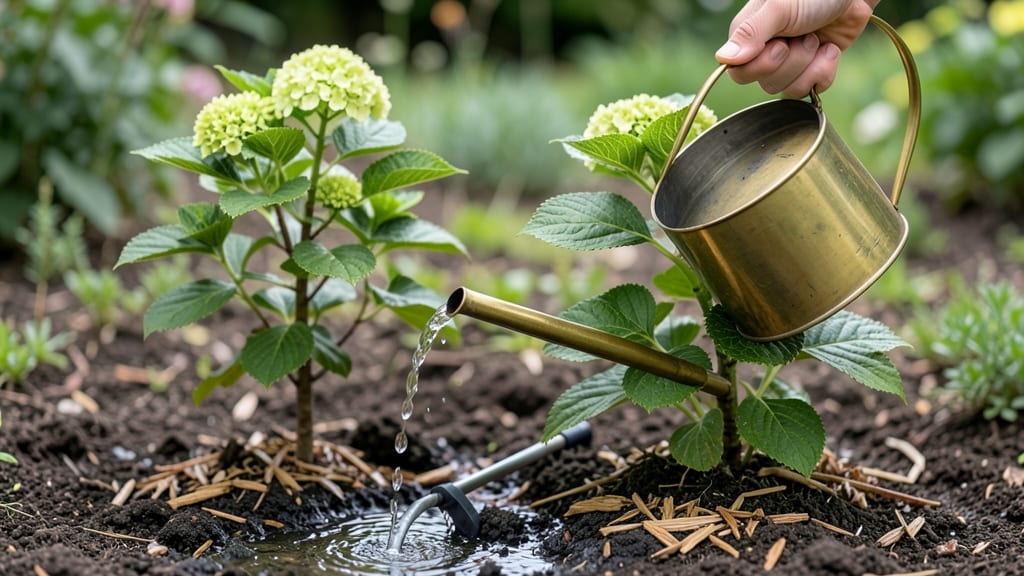
Watering new bushes correctly in the first four weeks is the single most important step for their long-term health — skip this, and you risk weak roots or disease before they even take hold.
Picture this: you’ve just planted your 🌱 new bushes, and the soil feels perfect. But a week later, you notice wilting leaves or soggy soil.
That’s not just bad luck—it’s a watering mistake most gardeners make. The key is balance: too little, and roots struggle; too much, and they rot.
Here’s the good news: with the right routine—deep, infrequent watering at the right time—you’ll set your bushes up for strong growth. I’ll walk you through how often to water, what signs to watch for, and how to adjust for your climate or soil type.
By the end, you’ll know exactly when to water, how much to give, and how to tell if you’re doing it right. No guesswork, just healthy, thriving bushes.
How often to water new bushes in the first 4 weeks
The first 4 weeks after planting are the most critical for your new bushes. During this time, their root systems are still establishing, and watering consistency directly impacts their survival. Too much water can suffocate roots, while too little stresses young plants.
My goal is to help you create a balanced watering schedule that supports healthy growth without drowning your bushes.
In the first 2 weeks, I recommend watering every other day—but this depends on your climate and soil type. Sandy soils dry faster and may need daily watering, while clay soils retain moisture longer.
Always check the top 2 inches of soil before watering; if it's dry, it's time to water again. This simple check prevents both overwatering and underwatering.
| Timeframe | Watering Frequency | Soil Check | Adjustments |
|---|---|---|---|
| Weeks 1-2 | Every other day | Top 2 inches dry | Daily if extreme heat |
| Weeks 3-4 | Every 3 days | Top 3 inches dry | Reduce if rain |
| All Weeks | Morning watering | Avoid wet foliage | Use drip irrigation |
Weather plays a huge role in your watering schedule. On hot, windy days, I increase watering frequency to daily to prevent soil from drying out too quickly. If temperatures drop below 50°F, I reduce watering to every 3-4 days since bushes need less moisture in cooler conditions.
Always monitor the weather forecast and adjust accordingly—this flexibility is key to success.
For container-grown bushes, the rules change slightly. Containers dry out faster, so I water daily in the first week and then every other day for the next three weeks. Always check the weight of the pot—if it feels light, it’s time to water.
Mulching around the base of the container helps retain moisture and reduces evaporation, which is especially helpful in hot climates.
One of the biggest mistakes I see is watering at night. Wet foliage overnight creates the perfect environment for fungal diseases like powdery mildew. Instead, I water in the early morning (between 6-9 AM) so the leaves have time to dry before evening.
This simple habit can dramatically reduce plant stress and improve overall health.
After the first 4 weeks, you can gradually reduce watering frequency. By week 6, most bushes are established enough to handle weekly watering, depending on your climate. However, always check the soil moisture before watering—deep, infrequent watering encourages stronger root growth compared to shallow, frequent watering.
If you notice yellowing leaves or wilting despite regular watering, it might be a sign of overwatering or poor drainage. In this case, I recommend reducing watering and improving soil drainage by adding organic matter like compost.
For underwatering, the solution is straightforward: water more frequently and deeply until the soil is evenly moist.
Remember, every bush is unique. Some varieties, like hydrangeas, love consistent moisture, while others, such as boxwoods, prefer slightly drier conditions. Always research your specific bush type and adjust your watering routine accordingly.
With the right approach, your new bushes will develop a strong root system and thrive for years to come.
💧
Signs of overwatering and underwatering in young bushes
New bushes are delicate in their first few weeks, and getting the water balance wrong can mean the difference between thriving roots and irreversible damage. Overwatering creates soggy soil that suffocates roots, while underwatering leaves them dry and struggling. Both conditions send distress signals your bush can't ignore.
Start by checking the soil 1-2 inches deep—it should feel moist but not soggy. If you're unsure, use your finger as a guide: damp soil should hold together lightly, while waterlogged soil will ooze or feel mushy. This simple test can save your bush from common watering mistakes.
🚨 Critical Warning: Don't Ignore These Signs!
Overwatering and underwatering both cause yellowing leaves, but the root causes—and fixes—are completely different. Yellow leaves + soggy soil = root rot. Yellow leaves + dry soil = thirsty roots.
✅ Action Step: Dig gently around the base. Healthy roots are white or tan; black/mushy roots mean overwatering. Brown, dry roots mean underwatering.
For overwatered bushes, look for yellowing leaves starting from the bottom, followed by wilting despite moist soil. The leaves may also feel soft or mushy when touched, and you might notice a foul smell near the base—a clear sign of root rot setting in.
Stop watering immediately and let the soil dry out for 2-3 days.
Underwatered bushes show crispy brown edges on leaves and may appear wilted even when soil is dry. The leaves often feel paper-thin or brittle, and the entire plant may look droopy.
To fix this, water deeply until moisture reaches 6-8 inches down, then mulch to retain moisture for longer.
Another key difference? Overwatered bushes often have pale green or yellow leaves with a glossy sheen, while underwatered bushes develop dull, brown leaf tips. Pay attention to the growth pattern too: overwatered plants grow slowly or not at all, while underwatered ones may push out weak, spindly stems.
If you're still unsure, use the "squeeze test": grab a handful of soil. If water drips out immediately, you're overwatering. If it crumbles like sand, you're underwatering.
Adjust your schedule accordingly—most young bushes need 1-2 gallons per week in the first month, but this varies by climate and soil type.
Remember, consistency is key. Bushes prefer steady moisture over sporadic deep watering. Once you spot the signs, act fast—root rot can kill a bush in 3-5 days, while underwatering stunts growth over weeks. With practice, you'll learn to read your plants like a pro!