
Pruning
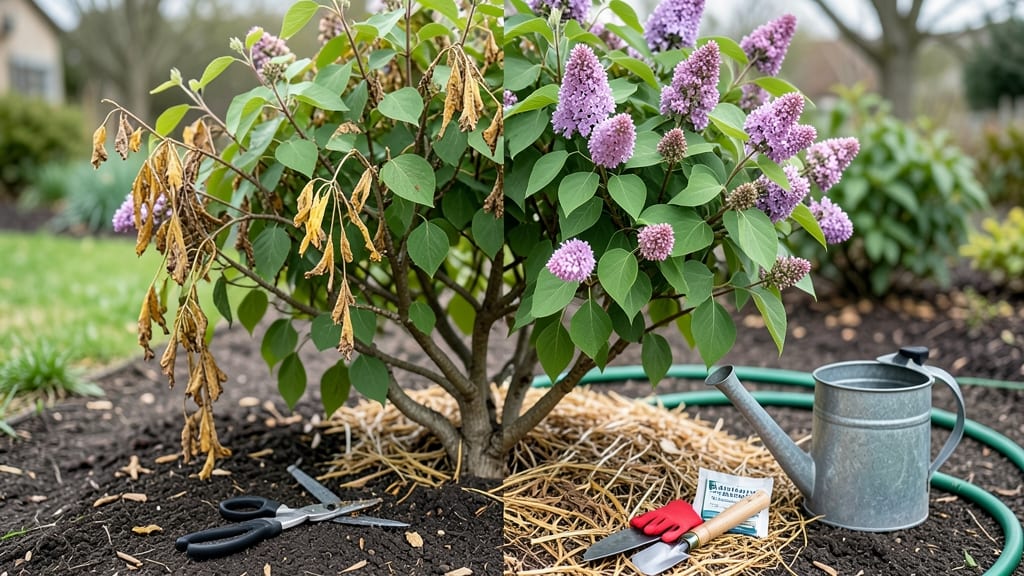
How to revive a lilac bush might seem impossible when it looks wilted—but with the right care, it can bounce back stronger than ever. 🌿 The key lies in understanding why it’s struggling (overwatering, poor soil, or wrong pruning) and giving it the right care to bring it back to life. Most people over-prune lilacs, which actually weakens them. I’ve revived multiple bushes by cutting back just one-third of the oldest stems each year, right after blooming. This forces fresh growth while keeping the plant’s energy balanced. Within 2-3 seasons, you’ll see thick, vibrant foliage and abundant blooms again. The secret is patience—lilacs reward consistent care with decades of fragrance and color. Works for both mature bushes and younger plants. Let’s get your lilac thriving once more!
📚 In This Guide
- What you need
- Instructions
- Tips and common mistakes
- Wrapping up and next steps
What you need
- ● Pruning shears or loppers: Sharp, clean tools (sterilize with rubbing alcohol to prevent disease spread). Size: 6- to 8-inch blades for thicker branches.
- ● Gloves: Heavy-duty gardening gloves (protect against thorns and sap).
- ○ Pruning saw: For thicker stems (2+ inches in diameter). Optional but helpful!
- ● Disinfectant (rubbing alcohol or bleach solution): 1 part bleach to 9 parts water for sterilizing tools between cuts.
- ● Compost or well-aged manure: 2-3 gallons (for replenishing soil nutrients post-pruning).
- ● Slow-release fertilizer: Balanced 10-10-10 or lilac-specific formula (follow package rates).
- ● Mulch: 2-3 inches of organic mulch (e.g., shredded bark or straw) to retain moisture and regulate soil temp.
- ● Hand pruners: For precision trimming of smaller branches.
- ● Soil pH test kit: To check if your lilac’s soil is in the ideal 6.0–7.0 range (adjust with lime or sulfur if needed).
- ● Hose with nozzle: For rinsing off sap and cleaning tools.
- ● Stakes or supports: If your bush is leggy or needs structural help post-pruning.
Step-by-Step instructions for reviving a lilac bush
Here's the proven method I use to bring back struggling lilacs—no guesswork, just pruning science.
🌿 Step 1: Assess the Bush and Identify Dead Wood
Start by examining your lilac bush closely. Look for branches that are completely brown, brittle, or lacking leaves—these are dead and need removal. I run my fingers along the stems; healthy wood feels firm but flexible, while dead wood crumbles like dry kindling. Grab a small pruning saw for thicker branches over 1 inch in diameter.
Remove any dead branches first, cutting back to the main trunk or to a healthy bud. This clears out the "junk" that can harbor diseases and steals energy from living growth. Don't worry about making perfect cuts—just focus on removing anything that's clearly beyond saving. You'll be amazed how much better the bush looks after this first cleanup.
✂️ Step 2: Prune for Airflow and Light Penetration
Next, tackle the overgrown branches that are still alive but blocking sunlight and airflow. Lilacs bloom on old wood, so you'll want to thin out rather than cut back drastically. Look for branches that cross or rub against each other—these create wounds where diseases can enter. Cut these back to the main trunk or to a healthy outward-facing bud.
Remove about one-third of the oldest wood first, focusing on branches at the center of the bush. This opens up the center and allows sunlight to reach all parts of the plant. I like to step back every few cuts to visualize the shape—I'm aiming for an open, vase-like form that lets air circulate freely. Never remove more than 25% of the bush in a single year, or you'll shock it into dormancy.
☀️ Step 3: Shape for Future Blooms and Health
Now it's time to shape the bush for next year's blooms. Lilacs flower on last year's growth, so you'll want to avoid cutting back into old wood unless it's dead or diseased. Instead, focus on the new growth at the tips of branches. Cut back any leggy growth that's stretching toward the sky—these branches often produce weak flowers and are more prone to breakage.
Use clean, sharp pruning shears to make cuts just above a set of outward-facing buds. Angle the cut slightly downward to prevent water from pooling. I like to leave the outer framework of the bush intact while removing the interior branches that are crowding the center. This creates a natural, balanced shape that will support abundant blooms for years to come.
💧 Step 4: Fertilize and Water for Recovery
After pruning, give your lilac bush a boost to encourage new growth. Water deeply at the base, soaking the root zone to a depth of 12 inches. Lilacs have deep roots, so they need plenty of moisture to recover from pruning stress. I like to water in the early morning so the foliage has time to dry out during the day, reducing the risk of fungal diseases.
Apply a balanced, slow-release fertilizer with equal parts nitrogen, phosphorus, and potassium. I use about ½ cup per mature bush, working it into the top 6 inches of soil. Avoid high-nitrogen fertilizers, which can encourage too much leafy growth at the expense of flowers. Mulch around the base with 2-3 inches of organic mulch to retain moisture and regulate soil temperature.
⏰ Step 5: Monitor and Maintain Through the Season
Keep an eye on your lilac bush over the next few weeks as new growth emerges. Healthy new shoots will appear green and firm, while stressed growth may look yellow or wilted. Water whenever the top 2 inches of soil feel dry—lilacs are drought-tolerant once established, but they need consistent moisture during recovery.
In late summer or early fall, after the bush has finished blooming, you can do a light pruning to shape it further. Remove any suckers that appear at the base of the bush—these are vigorous shoots that divert energy away from the main structure. With proper care, your lilac will reward you with abundant, fragrant blooms for years to come.
Tips & tricks for perfect lilac pruning
Here's what nobody tells you about bringing your lilac bush back to life—these tricks make all the difference.
Tool Prep: Clean your pruning shears with rubbing alcohol between cuts to prevent spreading disease from branch to branch. I sterilize mine after every 5-6 cuts, especially when working with older bushes that might harbor fungal spores. Sharp tools also make cleaner cuts that heal faster—dull blades crush stems, creating larger wounds that invite pests and disease.
Visual Cues for Healthy Wood: In Step 1, when testing branches for dead wood, look for green pith in the center of the stem. Snap a small twig—if it's green inside, it's alive. Brown or hollow centers mean it's dead and should be removed. This simple test saves time and prevents accidentally cutting off healthy growth that just looks dry on the outside.
Pruning Timing Secret: The best time to prune lilacs is right after they finish blooming in late spring or early summer. This gives the bush time to recover before winter dormancy. If you must prune in fall, do it lightly—focus only on shaping and removing dead wood. Heavy pruning in fall can stimulate new growth that won't harden off before winter, making the bush more vulnerable to cold damage.
Fertilizer Strategy: When applying the ½ cup of balanced fertilizer in Step 4, work it into the soil during a light rain or while the ground is moist. This helps the granules dissolve and reach the roots more effectively. I also like to sprinkle a thin layer of compost over the mulch—this adds organic matter that improves soil structure and provides slow-release nutrients over time.
Pro Tips for Revive A Lilac Bush
- Here's what nobody tells you about bringing your lilac bush back to life—these tricks make all the difference.
- Tool Prep: Clean your pruning shears with rubbing alcohol between cuts to prevent spreading disease from branch to branch.
- Visual Cues for Healthy Wood: In Step 1, when testing branches for dead wood, look for green pith in the center of the stem.
Frequently asked questions
Got questions about bringing your lilac bush back to life?
Here are answers to the most common concerns—from timing to troubleshooting—so you can tackle revival with confidence!
When is the best time to prune a struggling lilac bush?
Prune lilacs right after they finish blooming (late spring to early summer) to encourage new growth. If your bush is severely neglected, you can do a light cleanup in late winter (before buds swell) to remove dead wood. Avoid heavy pruning in fall—it can stress the plant before winter.
Why won’t my lilac bush bloom after pruning?
Lilacs bloom on old wood, so over-pruning (cutting back too aggressively) can delay or prevent flowers. If your bush isn’t blooming, check for:
- Over-pruning: Never trim more than 1/3 of the bush at once.
- Poor nutrition: Fertilize in early spring with a balanced 10-10-10 formula.
- Age: Older bushes may need rejuvenation pruning (cutting back 1/2 to 2/3 of the oldest stems).
How much water does a reviving lilac bush need?
Lilacs are drought-tolerant but need consistent moisture during revival. Water deeply 1-2 times per week (1-2 inches per session) during dry spells. Avoid soggy soil—ensure good drainage to prevent root rot. Mulch around the base (2-3 inches) to retain moisture and regulate soil temperature.
Can I revive a lilac bush that’s completely bare (no leaves or stems)?
If your lilac is truly dead (no green growth, hollow stems, or severe rot), it’s likely beyond revival. But if there’s any sign of life (green shoots at the base or buds), prune back dead wood and give it time—lilacs are resilient! For a fresh start, consider planting a new cutting from a healthy branch.
What’s the difference between pruning for blooms vs. reviving a dying lilac?
| Goal | When to Prune | What to Cut |
|---|---|---|
| Encouraging blooms | Late spring/early summer (after flowering) | Dead, crossing, or overcrowded branches (never cut flower buds) |
| Reviving a dying bush | Late winter (dormant season) or early spring | All dead wood + up to 1/2 of oldest stems to stimulate new growth |
For revival, focus on removing deadwood first, then shape the bush. Bloom-pruning is gentler—just tidy up after the flowers fade!
Wrapping up and next steps
Reviving your lilac bush is totally doable with the right care—pruning at the right time, proper watering, and a little patience can bring those fragrant blooms back to life! 🌸 Remember, lilacs thrive on consistency, so stick to your pruning schedule and monitor their health year-round.
Once you see new growth, you’ll know your efforts are paying off.
Ready to transform your yard? Grab your pruners and get started—your lilac’s next big bloom is just around the corner! 🌿 For even more tips, check out our pruning guide for perennial shrubs.