
Pruning
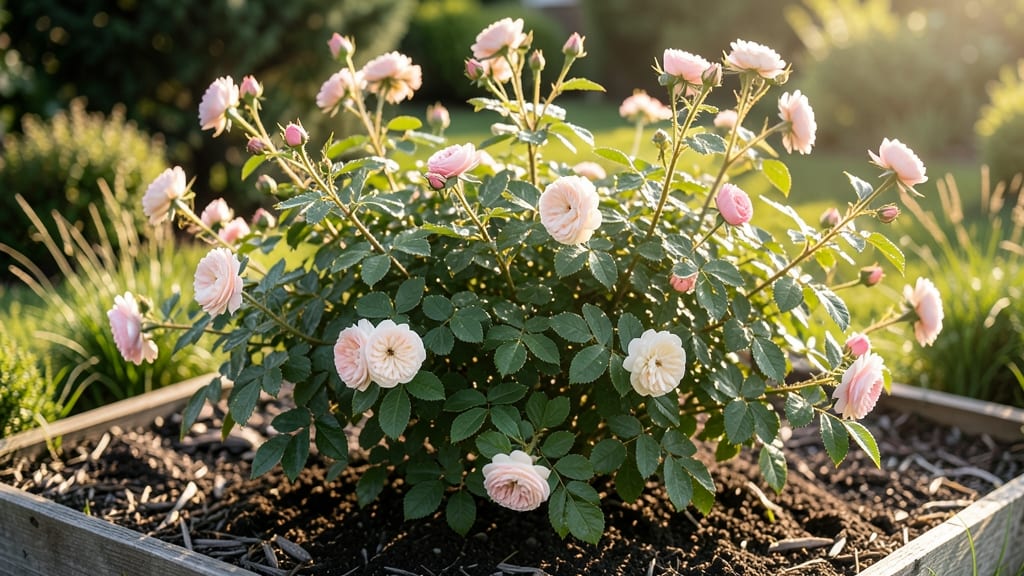
A multi color rose bush turns your garden into a living painting. 🌸 These stunning plants blend pinks, yellows, and whites in a single bloom, creating natural beauty that lasts all season long—with far less pruning than you'd expect.
The magic happens when you place them where they get morning sun and afternoon shade, protecting delicate petals from harsh afternoon rays. Mix them with lavender, catmint, or salvia for a fragrant, pollinator-friendly border that thrives from spring through frost.
You’ll love how they soften sharp garden edges while adding drama. A single bush creates a focal point, but cluster three for a romantic, cottage-garden feel that neighbors will envy. Even in containers, they shine—just pair with trailing sweet potato vine for a cascading display that brightens patios and decks.
Minimal pruning keeps them lush without the work.
📚 In This Guide
- What you need
- Instructions
- Tips and common mistakes
- Wrapping up and next steps
What you need
- ● Multi-color rose bush: Choose a grafted variety (e.g., 'Iceberg,' 'Knock Out,' or 'Earth Kind') with at least 3-5 distinct bloom colors (e.g., pink, red, yellow). Purchase from a reputable nursery (1 plant per 3–4 sq. ft. of space).
- ● Well-draining soil: 5–10 gallons of potting mix (60% compost, 30% perlite, 10% sand) or amend garden soil with 1–2 lbs of organic matter (e.g., coconut coir or worm castings).
- ● Container or planting hole: In-ground: Dig a hole twice as wide and slightly shallower than the root ball.
- ● Container: Use a 15–20 gallon pot with drainage holes (terracotta or fabric pots preferred).
- ● Pruning tools: Bypass pruners (sharp, clean, 7–9" blades).
- ● Loppers (for thicker stems, 10–12" reach).
- ● Garden shears (for deadheading, serrated edge).
- ● Fertilizer: Slow-release rose-specific granules (e.g., Espoma Rose-Tone, 1 lb per plant) or liquid feed (20-20-20, diluted to half-strength).
- ● Mulch: 2–3 inches of wood chips or cocoa hulls (retains moisture, deters weeds).
- ● Watering can or hose: With a gentle spray nozzle (1–2 gallons per watering session).
- ● Epsom salt: 1 tbsp per gallon of water (monthly spray for vibrant blooms).
- ● Rose tonic: Seaweed-based (Maxsea) for stress resistance.
- ● Trellis or obelisk: For climbing varieties (install at planting).
- ● Color-enhancing spray: Natural petal brightener (e.g., hydrogen peroxide 3%, 1 tsp per gallon of water).
- ● Automatic timer: For drip irrigation (saves time + ensures consistency).
Step-by-Step guide to establishing a thriving multi-color rose bush
Here’s how to cultivate a stunning rose bush that blooms vibrantly year-round with minimal effort.
🌱 Step 1: Select and Prepare the Planting Site
Choose a location with at least 6 hours of direct sunlight daily—multi-color roses thrive in full sun. Test your soil’s pH; roses prefer 6.0 to 6.5. If your soil is heavy clay or sandy, amend it with 2-3 inches of compost mixed into the top 12 inches of soil. This improves drainage and nutrient retention, which is critical for vibrant blooms.
Dig a hole twice as wide as the root ball but no deeper—this encourages roots to spread horizontally rather than settling too low. Loosen the roots slightly if they’re circling the root ball, as compacted roots struggle to establish. Here’s the thing—multi-color roses need room to breathe, so avoid planting too close to fences or other plants.
🪴 Step 2: Plant and Stake for Support
Place the rose bush in the hole so the graft union (the swollen area near the base) sits 2-3 inches above soil level. This prevents root rot and ensures the plant stays healthy. Backfill with native soil mixed with a slow-release rose fertilizer—I like to use a 10-10-10 blend—to give the bush a nutrient boost right from the start.
Water deeply to settle the soil, then install a stake or trellis immediately. Multi-color roses can get top-heavy with blooms, so a 5-foot stake driven 6 inches into the ground keeps them upright. Tie the main stem loosely with soft plant ties, leaving room for growth. Don’t bury the stake—it should stay visible above the soil line.
☀️ Step 3: Water and Mulch for Year-Round Health
Water deeply once a week during the first growing season, ensuring the soil is 6 inches moist—not soggy. Overwatering suffocates roots, while underwatering stresses the plant. You’ll know you’ve got it right when the top 2 inches of soil feel dry to the touch before your next watering. Mulch with 3 inches of organic mulch (like shredded bark) around the base, keeping it 3 inches away from the stem to prevent rot.
Mulching also regulates soil temperature, which is key for multi-color roses that bloom in different seasons. Replenish mulch annually in early spring—this keeps weeds down and retains moisture. I like to add a handful of bone meal at this time for extra phosphorus, which encourages strong root and bloom development.
✂️ Step 4: Prune Strategically for Continuous Blooms
Prune in early spring (before new growth starts) to shape the bush and remove dead or crossing branches. Cut just above an outward-facing bud at a 45-degree angle—this directs growth outward for a fuller plant. For multi-color roses, avoid heavy pruning in fall, as you want to preserve next year’s blooms. Instead, do a light cleanup in late winter to remove any damaged stems.
Deadhead spent blooms regularly throughout the season to encourage more flowers. Here’s the trick—I pinch off blooms just above a set of five healthy leaves to promote branching. This keeps the bush lush and ensures vibrant colors appear all season long. Never prune more than one-third of the plant at once; roses are resilient, but drastic cuts shock the system.
🌿 Step 5: Fertilize and Monitor for Pests
Feed your rose bush with a balanced fertilizer (like 20-20-20) every 4-6 weeks during the growing season. Switch to a low-nitrogen, high-phosphorus fertilizer (like 5-10-10) when buds form to boost bloom production. I also add Epsom salt (1 tablespoon per gallon of water) monthly to prevent yellowing leaves—a common issue with roses.
Watch for aphids, Japanese beetles, or black spot fungus, which can dull the vibrancy of multi-color blooms. Spray with neem oil or insecticidal soap at the first sign of pests. For fungal issues, apply a copper fungicide and improve airflow around the bush by pruning inner branches. A healthy rose bush is less prone to pests, so consistent care pays off in stunning, long-lasting color.
Tips & tricks for perfect multi-color rose bushes
Real talk—these details make the difference between a bush that merely survives and one that thrives with vibrant, continuous blooms.
Sunlight Strategy: That 6 hours of direct sunlight requirement is non-negotiable for multi-color roses. If your location gets partial shade, position the bush where it gets morning sun and afternoon shade—this prevents leaf scorch while still supporting vibrant blooms. I've seen bushes in east-facing gardens thrive with this approach, even when west-facing spots would get too hot.
Root Ball Preparation: When loosening circling roots in Step 1, don't go overboard—just gently separate them with your fingers. Over-handling damages delicate feeder roots that absorb nutrients. Think of it like untangling headphones: enough to free them up, but not so much that you break the connections. This small step prevents transplant shock that can set your bush back for months.
Staking Secrets: The 5-foot stake recommendation is perfect, but here's what nobody tells you—install it at a 30-degree angle rather than straight up. This gives the rose more natural support as it grows, and the angled stake is less visible once the bush fills out. Plus, it prevents the stake from becoming a weak point where branches might break under heavy blooms. I've had roses snap right at the stake base when planted vertically.
Deadheading Technique: That five-leaf rule for deadheading in Step 4 is brilliant, but here's the pro move: use clean, sharp pruners and make your cuts at a 45-degree angle just above the leaf set. This prevents water from pooling on the cut surface, which can lead to fungal infections. I keep a small bottle of rubbing alcohol nearby to wipe my pruners between cuts—this keeps them sterile and prevents spreading disease between blooms.
Pro Tips for Multi Color Rose Bush
- Real talk—these details make the difference between a bush that merely survives and one that thrives with vibrant, continuous blooms.
- Sunlight Strategy: That 6 hours of direct sunlight requirement is non-negotiable for multi-color roses.
- Root Ball Preparation: When loosening circling roots in Step 1, don't go overboard—just gently separate them with your fingers.
Frequently asked questions
Got questions about keeping your multi-color rose bush vibrant with minimal fuss? You’re in the right place! Here are answers to the most common concerns—from pruning to pests—so you can enjoy those stunning blooms all year long.
How often should I prune a multi-color rose bush for continuous blooms?
Prune your multi-color rose bush lightly every 4–6 weeks during the growing season (spring to fall) to encourage new growth and blooms. Focus on removing dead, crossing, or overcrowded branches—avoid heavy cuts! For winter prep, do a light prune in late fall to shape the bush and protect it from frost.
Do multi-color rose bushes need winter protection?
Yes! While these roses are hardy, they benefit from mulching (3–4 inches of organic mulch around the base) and light frost cloth in harsh winters (Zone 5 and below). Avoid heavy pruning in winter—wait until early spring when new growth appears. Pro tip: Water deeply before the first freeze to help roots withstand cold.
What pests or diseases commonly affect multi-color rose bushes?
Watch for aphids, spider mites, and black spot fungus—all common in roses. Aphids? Blast them off with water. Spider mites? Neem oil or insecticidal soap works. For black spot, remove infected leaves and apply fungicide early in the season. Prevention tip: Ensure good airflow and avoid overhead watering to keep your bush healthy.
Can I grow a multi-color rose bush in containers? Yes!
Choose a large container (at least 15–20 gallons) with drainage holes and use a well-draining potting mix. Multi-color roses thrive in containers but need more frequent watering (containers dry out faster). Move pots to partial sun (6+ hours/day) and fertilize monthly during growing season. Bonus: Containers make it easy to relocate your bush for optimal sunlight!
Why aren’t my multi-color roses blooming as much as expected?
Lack of blooms often stems from over-pruning, poor nutrition, or insufficient sunlight. Check these first:
- Sunlight: Ensure 6+ hours of direct sun daily—multi-color roses love light!
- Fertilizer: Use a balanced rose fertilizer (like 10-10-10) every 4–6 weeks.
- Pruning: Avoid cutting back too aggressively—focus on shaping, not size.
- Watering: Deep water 1–2 times weekly (more in heatwaves).
If issues persist, your rose may need rejuvenation pruning—cut back 1/3 of the oldest stems to encourage new growth.
Wrapping up and next steps
A multi-color rose bush isn’t just a dream—it’s a vibrant, low-maintenance reality with the right care! 🌸 By mastering minimal pruning techniques, you’ll enjoy year-round blooms that burst with color while keeping your garden effortlessly beautiful.
Whether you’re a seasoned gardener or just starting, these tips make the process simple and rewarding.
Ready to transform your garden? Start small—pick one bush this season, gather your tools, and dive in! With a little patience and love, your multi-color rose bush will flourish, turning your outdoor space into a stunning, ever-changing masterpiece. Happy pruning! ✂️🌿