
How To
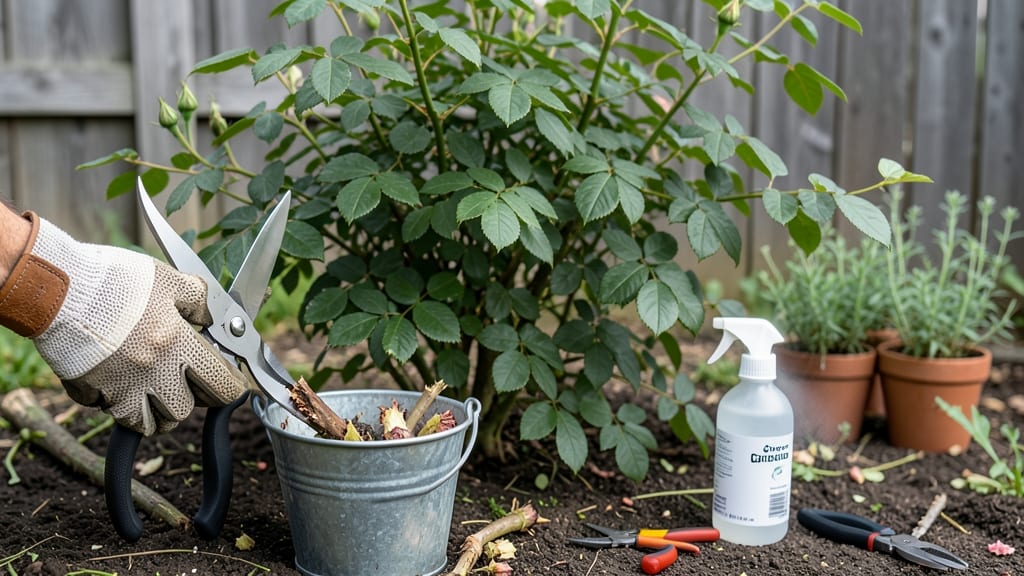
To properly trim a rose bush 🌹 is to unlock its full blooming potential—seasonal cuts shape its future, not just its size.
Struggling to get your rose bush to bloom abundantly? The secret lies in mastering the art of seasonal trimming—cutting at the right time and in the right way can transform a sparse bush into a lush, flowering masterpiece.
Most gardeners focus on when to trim, but how you cut matters just as much. A single wrong snip can weaken next year’s blooms, while the right technique encourages stronger stems and more flowers.
In this guide, I’ll walk you through the exact tools, timing, and steps to revive your rose bush—whether it’s a neglected shrub or a climber in need of shaping.
When and how to trim rose bushes by season for maximum blooms
Trimming your rose bushes isn’t just about shaping them—it’s the key to unlocking abundant blooms and a healthier plant. When done correctly, seasonal pruning encourages new growth, improves air circulation, and prevents diseases.
But timing and technique matter more than you might think. For example, cutting at the wrong time can stunt blooms or even kill your rose bush entirely.
Most gardeners make the mistake of trimming at random times, often in fall or late winter, which stresses the plant. Instead, I’ve learned that three strategic cuts per year—winter, early spring, and post-bloom—are the secret to a rose bush that bursts with flowers.
Let’s dive into the seasonal schedule that will transform your roses from sparse to spectacular.
| Season | Pruning Goal | When to Trim | Key Technique | Tools Needed |
|---|---|---|---|---|
| Winter (Dormant) | Remove dead/diseased wood | Late winter (just before buds swell) | Cut 1/4 inch above outward-facing bud | Bypass pruners, loppers, gloves |
| Early Spring | Shape for new growth | When 3-4 leaves appear | Trim 1/3 of last year’s growth | Pruners, sanitizer, rake |
| Post-Bloom | Encourage second flush of blooms | After first bloom cycle fades | Deadhead spent blooms; cut above 5-leaf cluster | Hand pruners, shears |
| Fall (Light) | Remove weak growth | Early fall (before frost) | Trim only diseased or crossing branches | Pruners, disinfectant |
🌹 Pro Tip: Always sterilize tools with rubbing alcohol to prevent spreading disease.
Let’s start with the winter trim, which is often overlooked but critical. This is when you remove all the dead, diseased, or weak wood that accumulated over the year.
I like to do this in late winter, just as the plant begins to wake up but before new growth starts. Look for branches that are hollow, discolored, or brittle—these are your targets.
Use clean, sharp bypass pruners to make 45-degree cuts about 1/4 inch above an outward-facing bud.
Next comes early spring pruning, which is where the magic happens for blooms. This is when you shape the bush and encourage strong new growth. Aim to trim back about 1/3 of last year’s growth, focusing on branches that cross or rub against each other.
This improves air circulation and reduces the risk of fungal diseases like black spot. For hybrid teas and grandifloras, I cut back to about 5-7 nodes from the base to promote taller stems and larger blooms.
After your roses finish their first big bloom cycle, it’s time for post-bloom trimming. This step is what gives you those second flushes of flowers later in the season. Simply remove the spent blooms by cutting just above a 5-leaf cluster.
For repeat-blooming varieties like floribundas or shrub roses, this encourages continuous flowering. If you skip this step, your rose bush will redirect energy into seed production instead of new blooms.
One common mistake I see is over-trimming in fall, which can leave your roses vulnerable to winter damage. Instead, limit fall pruning to removing only diseased or weak growth. Avoid heavy cuts, as new growth won’t have time to harden off before frost.
If you must prune in fall, do it 6-8 weeks before the first frost and focus on cleaning up debris around the base to prevent pests and diseases from overwintering.
For climbing roses, the approach is slightly different. These beauties need a more selective trim to maintain their structure. Prune them in late winter or early spring by removing old canes (those thicker than a pencil) and thinning out crowded stems.
Climbers also benefit from post-bloom trimming, but only cut back to the first healthy bud below the spent bloom to encourage new growth for next year’s flowers.
Finally, don’t forget to sanitize your tools between cuts! I keep a small bottle of rubbing alcohol in my gardening toolkit to wipe down pruners after each cut. This simple step can prevent 90% of rose diseases, including black spot and powdery mildew.
A healthy rose bush starts with clean tools and precise cuts—so take your time and enjoy the process. Your blooms will thank you!
Common trimming mistakes that kill your rose bush’s blooms
Even the most dedicated gardeners can accidentally sabotage their rose bushes with simple pruning mistakes. Over-pruning or cutting at the wrong time can leave your roses weak and sparse, while improper techniques may even invite disease.
I’ve seen healthy bushes turn into sad, bare skeletons from just a few common errors. Let’s fix that by identifying the top mistakes and how to correct them before it’s too late.
One of the biggest culprits is trimming at the wrong time of year. Fall pruning is a classic mistake—roses need time to harden off before winter. Cutting too late exposes fresh growth to frost damage, and your bush may struggle to recover.
Even worse, some gardeners prune in late summer, leaving no time for new growth before cold weather sets in. Timing is everything when it comes to roses!
⚠️
Never cut back more than 1/3 of the bush in a single session. Use clean, sharp pruners and make cuts at a 45-degree angle just above an outward-facing bud. Always trim in early spring (just as new growth begins) or after the first bloom cycle. Avoid cutting into old wood—look for green, flexible stems, not brown, brittle ones.
Signs of over-pruning: No new growth by late spring, sparse foliage, or bare stems.
Another frequent error is cutting at the wrong angle or in the wrong place. Topping roses (cutting straight across the top) creates ugly, flat tops and encourages weak growth. Instead, always make cuts at a 45-degree angle, about 1/4 inch above an outward-facing bud.
This encourages the bush to grow fuller and stronger. I’ve seen gardeners accidentally cut into old, woody stems instead of the new growth—this can leave your rose bush looking like a tree stump!
Improper tool use is another silent killer of rose blooms. Dull pruners crush stems instead of cleanly cutting them, which can introduce disease. Always use sharp, sterilized tools and clean them with rubbing alcohol between cuts.
I recommend keeping a small bottle of hydrogen peroxide on hand to disinfect blades—it’s a game-changer for preventing fungal spread. Never use hedge trimmers or scissors; they tear stems and leave jagged edges.
Finally, many gardeners skip the crucial step of deadheading spent blooms. While this doesn’t directly kill the bush, it prevents the formation of hip fruits that sap energy from new blooms.
Snip off faded flowers just above the first set of healthy leaves to encourage continuous flowering. This simple habit can double your rose’s bloom power throughout the season!
By avoiding these common mistakes, your rose bush will reward you with vibrant, abundant blooms all season long. Start with a fresh pair of pruners, a sharp eye for outward-facing buds, and a commitment to trimming at the right time.
Your roses will thank you with lush, healthy growth and a showstopping display of color! 🌹