
Shrubs
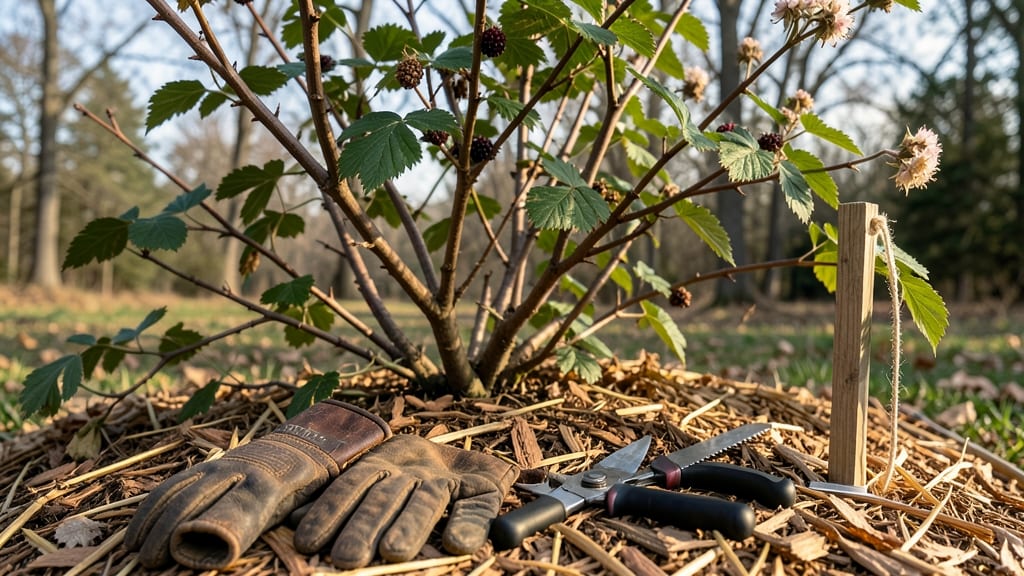
Preparing blackberry bushes for winter is the key to stronger canes, bigger harvests, and fewer pests next season—so don’t skip these essential late-season steps.
Picture this: You’ve spent all summer nurturing your 🫐 bushes, only to wake up to frost-damaged canes and sparse berries the following year. That’s what happens when winter prep gets overlooked—but it doesn’t have to.
With the right pruning, mulching, and protection, you can shield your bushes from harsh weather while giving them a head start for spring.
Most gardeners focus on spring planting, but late fall is when you set the foundation for next year’s growth. Whether you’re in USDA Zone 6a or a milder climate, these steps will keep your blackberries thriving through winter and beyond.
Below, I’ll walk you through the exact pruning techniques, mulching methods, and protection tips you need—plus the biggest mistakes to avoid so your bushes bounce back even stronger in spring.
Step-by-step late-season pruning for blackberry bushes before winter
Late-season pruning is one of the most important tasks to prepare your blackberry bushes for winter. When done correctly, it removes dead or diseased canes, improves air circulation, and encourages stronger regrowth in spring.
The best time to prune is after the first hard frost but before the ground freezes—typically between late October and December in most climates.
Blackberries produce fruit on floricanes (second-year canes) and grow new primocanes (first-year canes) each year. Understanding this growth cycle is key to pruning correctly. If you leave too many canes, your bushes will become overcrowded, leading to poor fruit production and increased disease risk.
Let’s break it down step by step.
How to Prepare Blackberry Bushes for Winter
- 1 Identify and remove dead/diseased canes: Look for canes that are brown, brittle, or have signs of fungal infections (like black spots). Cut these to the ground immediately.
- 2 Leave 6-8 of the healthiest primocanes: These are the first-year canes that will fruit next year. Trim any weak or thin primocanes to the ground.
- 3 Cut back last year’s floricanes: These are the second-year canes that fruited this season. Cut them to the ground after harvest to redirect energy to new growth.
- 4 Use clean, sharp pruners: Sterilize your tools with rubbing alcohol to prevent spreading disease. Cut at a 45-degree angle just above a bud or branch.
- 5 Dispose of pruned canes properly: Bag and remove diseased canes from your garden to prevent reinfection. Healthy pruned canes can be composted.
- 6 Apply a layer of mulch: Spread 3-4 inches of organic mulch (like straw or wood chips) around the base to insulate roots and retain moisture.
After pruning, your blackberry bushes will look much tidier and more manageable. This step is crucial for improving air circulation, which reduces the risk of fungal diseases like anthracnose and botrytis. Proper pruning also ensures that next year’s fruit production is stronger and more abundant.
If you’re unsure which canes to keep or cut, focus on maintaining a balance. Aim for 6-8 strong primocanes per plant, as these will bear fruit next season. Avoid over-pruning, as this can stress the plant and reduce its ability to recover before winter.
Always prune on a dry, sunny day to minimize stress on the plant.
One common mistake is pruning too late in the season. If you wait until winter sets in, the plant won’t have time to heal, making it more vulnerable to cold damage and pests.
Another error is leaving too many canes, which can lead to overcrowding and poor fruit quality. By following these steps, you’ll set your blackberries up for a healthy, productive spring.
In colder climates (USDA zones 5 or lower), consider adding a protective cover like burlap or frost cloth over the pruned canes to shield them from harsh winds and frost. This extra layer of protection can make a significant difference in survival rates during extreme winters.
Always monitor your bushes throughout the winter and remove any snow buildup that could cause branch breakage.
Finally, remember that regular pruning throughout the year—especially after harvest—keeps your blackberry bushes in top shape. By investing time in late-season care, you’re not just preparing for winter; you’re ensuring a bountiful harvest for years to come. Your future self (and your taste buds) will thank you!
Best mulching and soil protection techniques for winter-hardy blackberries
As winter approaches, protecting your blackberry bushes with the right mulching techniques is key to safeguarding their roots from freezing temperatures and soil erosion. A well-insulated root zone helps maintain soil moisture and prevents temperature fluctuations that can stress or even kill your plants.
Organic mulches like straw, leaves, or wood chips create a natural barrier while also improving soil health over time.
Timing is everything—apply mulch after the ground freezes but before heavy snowfall, typically between late November and December in most climates. This gives your bushes a protective layer without trapping too much moisture, which could lead to rot.
Aim for a 3-4 inch layer around the base, keeping it 2-3 inches away from the crown to avoid suffocating the plant.
Here’s a quick comparison of the best mulching options for blackberries, including their pros and cons:
| Mulch Type | Best For | Insulation Level | Moisture Retention | Avoid If |
|---|---|---|---|---|
| Straw | Cold climates, windy areas | High | Very High | Damp or moldy |
| Leaves (shredded) | Moderate climates, soil enrichment | Medium | High | Compacted or wet |
| Wood Chips | Long-term protection, soil health | Medium-Low | Medium | Fresh/uncomposted |
| Pine Needles | Acidic soil, pest deterrent | Low | Low | Alkaline soil |
For blackberry bushes in colder zones (USDA 5-7), straw is often the best choice because it provides excellent insulation while allowing airflow to prevent rot.
In milder climates, a mix of shredded leaves and wood chips works well, as it breaks down slowly and adds organic matter to the soil. Avoid using fresh grass clippings or untreated sawdust, as these can draw pests or deplete nitrogen from the soil.
Don’t forget to remove old mulch in early spring before new growth begins. This prevents the buildup of pathogens and allows the soil to warm up faster. If you notice mold or excessive moisture under the mulch, fluff it up or replace it with drier material.
A well-maintained mulch layer can extend the life of your blackberry bushes by 3-5 years while reducing winter stress.
Pair mulching with light pruning of dead canes and a final watering before the ground freezes for the best results. This two-step approach ensures your blackberries stay healthy and productive year after year.
With the right protection, your bushes will bounce back stronger in spring, ready for another berry-filled harvest.