
Size
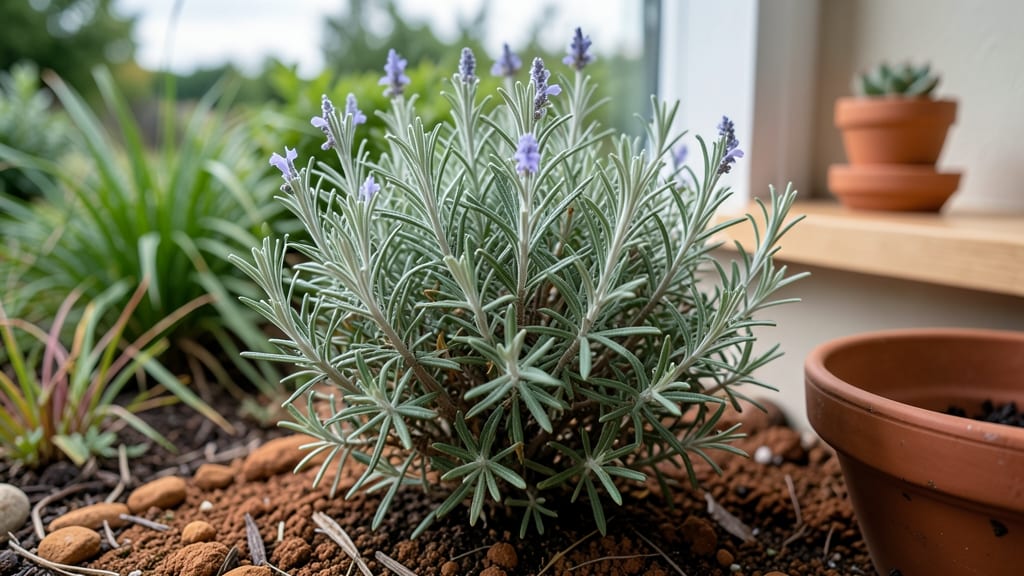
Growing a rosemary bush means fresh, pine-scented needles year-round—with almost no effort once established. 🌿 I’ve grown rosemary in pots and garden beds, and the secret to keeping it thriving is simple: well-draining soil, full sun, and occasional pruning.
That’s it. No fuss, no complicated schedules—just a hardy plant that rewards minimal care with bold flavor and fragrance.
Start with a cutting from a healthy rosemary plant (or seeds, though they take longer). Plant in well-draining soil—rosemary hates soggy roots—and choose a sunny spot where it gets at least 6-8 hours of sunlight daily.
Water only when the top inch of soil feels dry; overwatering is the fastest way to kill it. In containers, use a pot with drainage holes to prevent root rot.
Once established, your rosemary bush will stay compact, bushy, and productive with just a little pruning. Snip back leggy stems in spring to encourage new growth, and harvest sprigs as needed. The fragrance alone makes it worth growing—imagine walking past and smelling that fresh, woodsy scent all year.
This bush thrives in USDA zones 7-10, but with a little protection (like moving pots indoors in winter), you can grow it almost anywhere. Pair it with lavender, thyme, or sage for a fragrant, low-maintenance garden corner. Ready to grow yours?
📚 In This Guide
- What you need
- Instructions
- Tips and common mistakes
- Wrapping up and next steps
What you need
- ● Rosemary plant: 1 healthy nursery-grown rosemary bush (choose Rosmarinus officinalis for best results). Opt for a 1-gallon container size for easier transplanting.
- ● Well-draining soil: 3–5 cubic feet of a mix like cactus/succulent blend or add perlite/sand (1 part perlite to 3 parts potting soil) to improve drainage.
- ● Container or garden bed: For containers: 1–2 large pots (at least 12–18 inches deep and wide) with drainage holes. Terracotta or fabric pots work best.
- ● For in-ground planting: A sunny spot with at least 6 hours of sunlight daily and loose, rocky soil (rosemary hates soggy roots!).
- ● Watering can or hose: With a gentle spray nozzle to avoid disturbing the soil.
- ● Pruning shears: Sharp, clean shears (sterilize with rubbing alcohol between cuts).
- ○ Organic fertilizer (optional but helpful): A balanced, slow-release fertilizer (10-10-10) or a low-nitrogen option like fish emulsion (apply sparingly—rosemary prefers lean soil!).
- ● Mulch: 1–2 inches of gravel or pebbles to retain heat and deter weeds (rosemary loves dry conditions!).
- ● Garden gloves: To protect your hands from prickly stems.
- ● pH testing kit: To ensure soil pH is between 6.0–7.0 (rosemary thrives in slightly acidic to neutral soil).
- ● Drip irrigation system: For automated watering (great if you travel often!).
- ● Compost or worm castings: A handful mixed into soil for extra nutrients (use sparingly—rosemary can get "fat" and floppy!).
Step-by-Step instructions for cultivating a thriving rosemary bush
Rosemary thrives with just a few key conditions—here’s how to create them for a bush that stays lush and fragrant year-round.
🌱 Step 1: Select and Prepare the Planting Site
Rosemary demands full sun—at least 6-8 hours daily—and well-draining soil. If your yard has heavy clay, mix in 2-3 inches of coarse sand or perlite into the top 12 inches of soil to prevent root rot. I dig a hole twice as wide as the root ball but only as deep as the container it came in. This encourages outward root growth, which rosemary loves.
Test drainage by filling the hole with water—if it drains within 30 minutes, you’re good. If not, amend further. Rosemary hates soggy feet. For containers, choose pots with drainage holes and a depth of at least 12 inches. Terra cotta works best because it breathes and helps regulate moisture.
☀️ Step 2: Plant at the Right Time and Depth
Spring or early fall are ideal planting times. Handle the plant gently—rosemary’s roots are brittle. Place it in the hole so the top of the root ball sits 1 inch below soil level. This prevents water from pooling at the stem, which causes rot. Backfill with native soil, tapping lightly to remove air pockets.
Water deeply right after planting to settle the soil and eliminate air gaps. You’ll see the soil sink slightly as it absorbs moisture. Avoid overwatering—rosemary prefers dry conditions once established. For container-grown plants, water until it drains freely from the bottom holes.
💧 Step 3: Establish a Watering Routine That Mimics Drought
Rosemary is drought-tolerant once rooted, but the first 4-6 weeks are critical. Water deeply every 3-4 days until you see new growth. Stick your finger 2 inches into the soil—if it feels dry, water again. Overwatering is the fastest way to kill rosemary, so let the top 1-2 inches dry out between waterings.
Once established, reduce watering to once a week in summer and every 2-3 weeks in winter. Mulch lightly with 1-2 inches of gravel or coarse sand to retain heat and deter weeds. This mimics the Mediterranean climate rosemary thrives in—hot, dry, and sunny.
✂️ Step 4: Prune for Bushiness and Fragrance
Prune rosemary twice a year—once in early spring and again after flowering in late summer. Use clean, sharp shears to trim back one-third of the plant’s length, cutting just above a leaf node. This encourages branching and a fuller bush. Avoid cutting into old wood, as rosemary won’t regrow from there.
Harvest leaves regularly by snipping individual sprigs from the tips. This stimulates new growth and keeps the plant compact. Never cut more than one-third of the plant at once. After pruning, give the bush a light fertilizer with low nitrogen (like a 5-10-5 blend) to support woody growth and fragrance.
⏰ Step 5: Protect Over Winter and Prepare for Next Year
Rosemary is hardy to USDA Zone 7, but colder climates need winter care. In Zones 6 and below, mulch heavily with 4-6 inches of straw or leaves and wrap the plant in burlap if temperatures drop below 20°F. For container plants, move them to a garage or sheltered porch where temps stay above 30°F. Water sparingly—just enough to keep the soil from freezing.
In early spring, remove winter protection and prune out any dead or damaged branches. This refreshes the plant and sets it up for another season of growth. Rosemary’s fragrance peaks in spring and summer, so plan your harvests around these times for the strongest flavor.
Tips & tricks for perfect rosemary growth
Here's what nobody tells you about keeping rosemary thriving with minimal fuss—these tricks have saved my plants more times than I can count.
Soil Test Matters: That 30-minute drainage test in Step 1 is non-negotiable. I've seen rosemary plants die within weeks from soggy soil that looked fine at planting. If water pools after 30 minutes, keep adding perlite or coarse sand until it drains properly. For containers, elevation helps—use pot feet or a saucer with drainage holes to prevent waterlogging. The goal is to mimic rocky Mediterranean soil where rosemary evolved.
Planting Depth Secret: The 1-inch below soil level rule in Step 2 prevents what I call "neck rot"—water pooling at the stem. I learned this after losing three plants from overwatering at the base. If your soil settles after watering, add a little more soil around the stem to maintain that 1-inch depth. For containers, ensure the drainage holes are clear and the pot sits on a saucer that can drain away excess water.
Watering Hack: Those 2-inch soil checks in Step 3 are your best friend. I use a wooden skewer to test moisture—when it comes out clean, it's time to water. The top 1-2 inches drying out is crucial, but don't let the lower soil dry completely. For container plants, I weigh them—when they feel noticeably lighter, that's your watering cue. Overwatering is the #1 killer, but underwatering stresses the plant just as much.
Winter Protection Upgrade: The 30°F minimum for containers in Step 5 is strict, but I've found that adding a layer of bubble wrap around the pot before moving it to the garage adds an extra 5-10°F of protection. For in-ground plants in Zones 6 and below, I use a clear plastic dome (like a large storage bin) over the mulch to create a microclimate that can keep temps above 20°F even in harsh winters. Just remove it on warm days to prevent moisture buildup.
Pro Tips for Grow A Rosemary Bush
- Here's what nobody tells you about keeping rosemary thriving with minimal fuss—these tricks have saved my plants more times than I can count.
- Soil Test Matters: That 30-minute drainage test in Step 1 is non-negotiable.
- Planting Depth Secret: The 1-inch below soil level rule in Step 2 prevents what I call "neck rot"—water pooling at the stem.
Frequently asked questions
Got questions about growing your own rosemary bush? You’re not alone—this fragrant herb can be tricky for beginners! Here are answers to the most common questions to help you cultivate a thriving plant with confidence.
Can rosemary grow in pots, or does it need a garden bed?
Rosemary thrives in both! Use containers at least 12 inches deep with drainage holes if you’re short on garden space. Just ensure the pot gets full sun (6+ hours/day) and replant every 2–3 years as roots grow. Pro tip: Mix in perlite or sand for better drainage.
How long does it take for rosemary to grow enough to harvest?
With proper care, you can snip small sprigs in 3–4 months, but full harvests take 6–12 months depending on climate. Prune lightly to encourage bushiness—avoid over-trimming early on. Patience pays off!
Does rosemary survive winter, or do I need to bring it inside?
Hardy rosemary (USDA zones 7–10) tolerates light frosts, but protect it in colder zones (cover with burlap or move pots to a sheltered spot). If temps drop below 20°F, trim back and overwinter indoors near a sunny window. Bonus: Pruning stimulates new growth in spring!
Why are my rosemary leaves turning yellow or brown?
Yellow leaves often signal overwatering (rosemary hates soggy soil!). Brown edges? It’s likely underwatering or salt buildup (flush with water if using tap). Pests like spider mites can also cause stress—spray with neem oil if needed. Check soil moisture before watering!
Can I grow rosemary from a grocery store bunch?
Trim stems, strip lower leaves, and place them in water (like cut flowers) until roots form (2–3 weeks). Transplant to soil once rooted. Note: Store-bought rosemary may be treated to last longer—choose organic when possible for better success.
How do I keep rosemary from flowering and losing flavor?
Flowers signal the plant is maturing—prune them off to redirect energy to leaves. For maximum flavor, harvest just before flowering and avoid letting the plant dry out. Harvest tip: Cut stems in the morning for the strongest aroma!
Wrapping up and next steps
Growing a thriving rosemary bush is simpler than you think—just a little sunlight, well-draining soil, and patience! With these tips, you’ll enjoy its fragrant foliage and culinary benefits year after year.
Whether you’re a beginner or a seasoned gardener, rosemary’s low-maintenance charm makes it the perfect addition to your outdoor (or indoor!) space.
Ready to harvest your first sprigs? Start by planting your bush this season and watch it flourish. Soon, you’ll be savoring its aroma in dishes, teas, or even homemade crafts—one bush, endless possibilities! 🌿✨