
Pruning
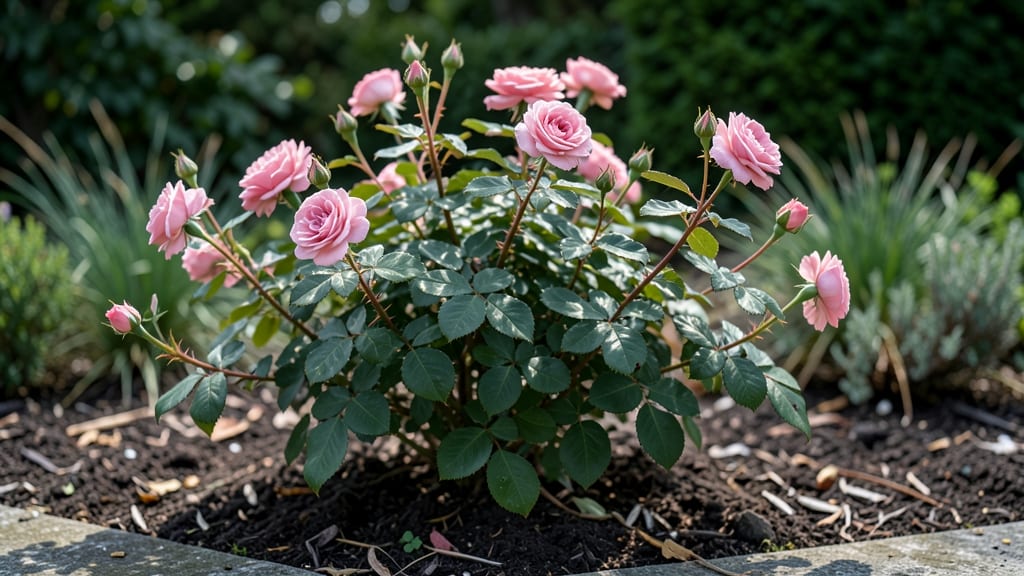
Pruning your Cécile Brunner rose bush transforms it from a tangled mess into a fragrant, blooming powerhouse. 🌹 I’ve watched this vigorous climber go from leggy chaos to a lush, flower-covered wall—all with the right cuts at the right time.
The secret? Timing, tools, and technique that encourage more blooms and stronger stems.
This rose thrives on three key pruning sessions: a light cleanup in early spring, a mid-season trim to shape growth, and a final cutback in late fall. Unlike finicky roses, Cécile Brunner’s disease-resistant nature means you won’t spend summers fighting black spot—just focus on directing its energy upward.
Even a black thumb can master this with the right approach.
By summer’s end, you’ll have a wall of velvety blooms that perfume your garden and keep producing until frost. The stems grow thick and sturdy, supporting their own weight—no floppy vines here.
Prune correctly, and you’ll enjoy year-round interest, from spring’s fresh foliage to winter’s bare branches catching the light.
Works for trellises, fences, or even a sturdy arbor. The only mistake you’ll make is waiting too long to start—so grab those shears and let’s get growing!
📚 In This Guide
- What you need
- Instructions
- Tips and common mistakes
- Wrapping up and next steps
What you need
- ● Pruning shears – Bypass pruners (sharp, clean, and sterilized with rubbing alcohol or bleach solution to prevent disease).
- ● Hand pruners or loppers – For thicker stems (up to ¾ inch in diameter).
- ● Gloves – Heavy-duty gardening gloves (thorns are sharp!).
- ● Disinfectant (bleach or hydrogen peroxide) – 1 part bleach to 9 parts water (for sterilizing tools between cuts).
- ● Gardening twine or rubber bands – To secure large branches if needed.
- ○ Pruning sealant (optional but helpful) – For large cuts (½ inch or wider) to prevent disease entry.
- ● Bucket or bag – For collecting pruned branches (compost or dispose of).
- ● Extension pole saw – For high branches (if your bush is tall!).
- ● Sharpie or marker – To label branches if grafting or training.
- ● Rake or broom – To clean up debris after pruning.
- ● Fertilizer (balanced rose fertilizer) – For post-pruning nourishment (apply 4-6 weeks after pruning).
- ● Mulch – Organic mulch (2-3 inches) to retain moisture and protect roots.
Step-by-Step pruning guide for Cecile Brunner roses
Here's how to transform your Cecile Brunner into a blooming powerhouse with thick, healthy stems.
✂️ Step 1: Time Your First Cut for Late Winter Dormancy
Prune when your roses are fully dormant but buds haven't yet swollen—typically 6-8 weeks before your last frost date. In most climates, this falls between mid-February and early March. You'll know it's time when the canes look completely bare and the ground is dry but not frozen. Wait too long, and you'll cut off next season's flowers.
Grab your pruners and sanitize them with rubbing alcohol to prevent spreading disease between cuts. I always start by removing any dead, diseased, or crossing branches first. These are easy to spot—they're brown, mushy, or growing directly into the center of the bush where airflow gets blocked. Cut these back to a healthy outward-facing bud or the main stem.
✂️ Step 2: Shape the Bush with Strategic Cuts
Cecile Brunner roses bloom on both old and new wood, so you can be slightly less aggressive than with hybrid teas. Start by thinning out the oldest canes—look for stems that are thicker than a pencil and have lost their vigor. Remove these completely at the base. This opens up the center and lets light reach the interior stems, which encourages more blooms.
For the remaining canes, cut back by one-third to one-half of their height. Make your cuts just above an outward-facing bud, angled slightly away from the bud to prevent water from pooling. This creates a natural shield that protects the bud from rot. Leave at least 3-5 strong canes per bush to maintain structure—too few canes means fewer blooms, while too many leads to overcrowding.
✂️ Step 3: Summer Pruning for Continuous Blooms
After the first flush of blooms fades, it's time for light maintenance pruning. In late June or early July, give your Cecile Brunner a mid-season trim to encourage another round of flowers. Focus on cutting back spent blooms to just above the first set of five-leaflets on the stem. This is where new flower buds form.
Also watch for any stems that are growing too long or leggy. Cut these back by half their length to promote bushier growth. You'll see new side shoots emerge within 2-3 weeks—this is your signal that the pruning worked. Avoid heavy pruning after mid-summer, as new growth won't have time to harden off before winter.
✂️ Step 4: Fall Cleanup for Winter Preparation
Once temperatures drop below 50°F at night, your Cecile Brunner will go dormant. Before the first hard frost, do a final cleanup. Remove any remaining dead or diseased growth, and cut back any stems that have finished blooming for the season. This prevents pests and diseases from overwintering in the garden.
Leave the canes slightly longer than you would in late winter—about 18-24 inches tall. The extra length provides some insulation for the buds during cold snaps. Mulch the base of the plant with 2-3 inches of organic mulch to protect the roots from freezing temperatures. In colder climates, consider wrapping the bush with burlap or rose cones for extra protection.
✂️ Step 5: Post-Bloom Maintenance for Next Season
After the final blooms of the season, give your Cecile Brunner one last light pruning in late fall or early winter. Remove any remaining debris from around the base of the plant, and cut back any stems that have died back naturally. This keeps the area tidy and reduces the risk of fungal diseases.
Here's the thing—Cecile Brunner roses reward consistent care. If you've done the previous steps correctly, you'll see stronger canes next spring with more blooms than ever. Watch for new shoots emerging from the base in early spring, and let them grow until they reach 12-18 inches tall before pruning again. This ensures a strong foundation for another season of stunning, repeat-blooming roses.
Tips & tricks for perfect Cecile Brunner rose pruning
Transforming your Cecile Brunner into a blooming machine starts with these pruning secrets that go beyond the basics.
Timing is Everything: The 6-8 week window before your last frost is critical—this is when your rose is fully dormant but hasn't yet started producing new growth. I've learned the hard way that cutting too early can expose tender new buds to late frosts, while waiting too long sacrifices next season's flowers. Check your local frost dates and mark your calendar! For those in unpredictable climates, use the "bare canes, dry ground" rule as your final guide.
The 45-Degree Angle Matters: When making your cuts in Step 2, that slight downward angle (just above an outward-facing bud) isn't just decorative—it's functional. This creates a natural water shield that prevents rot from pooling at the cut site. I've seen many gardeners skip this detail, only to watch their pruned canes develop fungal issues later. Take the extra second to angle your cuts properly, and your roses will thank you with stronger growth.
Bud Identification Made Easy: For those new to rose pruning, here's a pro trick: healthy buds are plump, green, and have a slight point at the tip. They should be facing outward from the center of the bush. If you're unsure which buds are viable, make your cut just above where you see the most vigorous-looking bud cluster. In Step 3, when cutting back spent blooms, look for the first set of five leaflets—the new flower buds form right above this point.
Seasonal Pruning Calendar: Create a simple visual reminder for yourself: mark late June/early July for your summer trim, and again in late fall for your final cleanup. I keep a small garden journal where I note which canes I pruned and how they responded. This helps me track what works best for my specific climate. The 2-3 week window for new growth after summer pruning is your best indicator that the pruning was successful—watch for those fresh green shoots!
Pro Tips for Cecile Brunner Rose Bush
- Transforming your Cecile Brunner into a blooming machine starts with these pruning secrets that go beyond the basics.
- Timing is Everything: The 6-8 week window before your last frost is critical—this is when your rose is fully dormant but hasn't yet started producing new growth.
- The 45-Degree Angle Matters: When making your cuts in Step 2, that slight downward angle (just above an outward-facing bud) isn't just decorative—it's functional.
Frequently asked questions
Got questions about pruning your Cécile Brunner rose bush? You’re not alone! Whether you’re a newbie or just need a quick refresher, here are the answers to the most common queries—so you can keep those stunning blooms coming year-round.
When is the best time to prune a Cécile Brunner rose?
The ideal time is late winter or early spring (just before new growth starts). For light shaping or deadheading, prune throughout the growing season—but avoid heavy cuts after midsummer to prevent weak fall growth. Pro tip: Wait until temperatures are consistently above freezing to avoid stressing the plant.
How much should I cut back my Cécile Brunner rose?
For vigorous growth, prune back 1/3 of the plant’s height in late winter. Remove dead, diseased, or crossing branches first, then cut just above an outward-facing bud. Avoid over-pruning—these roses bloom on old and new wood, so leave some stems intact for early-season flowers.
What if I prune at the wrong time?
Pruning too early (in winter) can expose tender wood to frost damage, while pruning too late (fall) may stimulate tender new growth that won’t survive cold. If you’ve already pruned at the wrong time, don’t panic! Just focus on deadheading spent blooms and fertilizing to encourage recovery. Mulch heavily to protect roots.
Can I prune a Cécile Brunner rose for more flowers?
To maximize blooms, prune lightly but frequently—remove spent flowers (deadheading) every few weeks. In late winter, cut back older canes by 1/3 to encourage new, flower-producing stems. Avoid heavy pruning, though, as these roses naturally produce clusters of blooms without aggressive cuts.
What if my rose isn’t blooming after pruning?
Check these common issues:
- Lack of sunlight: Ensure it gets 6+ hours of sun daily.
- Underwatering: Keep soil consistently moist (but not soggy).
- Poor nutrition: Feed with rose-specific fertilizer in spring and mid-summer.
- Over-pruning: If you cut too aggressively, blooms may take time to rebound.
Wrapping up and next steps
Mastering the art of pruning your Cécile Brunner rose bush unlocks a world of vibrant blooms and lush, healthy growth—no green thumb required! 🌸 With the right tools, timing, and techniques, you’ll transform your garden into a year-round paradise.
Remember, consistency is key, so schedule your pruning sessions and enjoy the rewards of your efforts.
Ready to take the next step? Start small—pick one season to focus on and refine your skills. Before you know it, your Cécile Brunner will be the star of your garden, blooming beautifully and thriving stronger than ever! 🌿